
Review

By Pixel Perfect
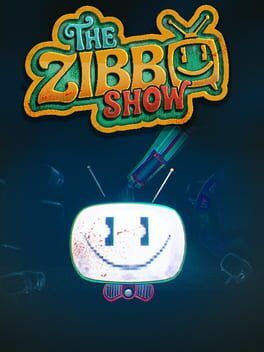
Image: IGDB
Store links: The Zibbo Show on Steam
The stage is set, but the listing tells a sharper story
The Zibbo Show arrived on October 29, 2026, according to Metacritic’s public listing, with Tessera Studios named as developer and versions listed for PC, Nintendo Switch, Xbox Series X, PlayStation 4, and PlayStation 5. TheXboxHub’s launch coverage also framed the release as available across Xbox, PlayStation, Switch, and PC, with Xbox Play Anywhere included in its category tagging.
That is the concrete part. The tension is that The Zibbo Show is being sold through a loud, theatrical premise, yet the available critical material points to a much tighter design: a dice-led roguelike built around compact board tactics, repeat attempts, upgrades, and opponent ladders rather than a broad narrative adventure. If you came to this The Zibbo Show review expecting a wandering surreal indie game with dialogue-heavy exploration, the sources paint a different picture. Its oddness is mostly in the framing, the game-show menace, and the way familiar tabletop logic is pushed into a roguelike structure.
Metacritic’s summary says players progress through 12 rounds of increasingly dangerous opponents and, if they survive, face Zibbo in the finale. Each side has a 3x3 board and nine dice, and players take turns placing dice. TheXboxHub’s review positioned it among the recent wave of dice-based roguelikes and compared its conceptual ingredients to Fallout, Inscryption, and Yahtzee. That is a strange cocktail, but the appeal lives or dies on whether those dice decisions keep producing interesting pressure after the novelty fades.
A clean ruleset gives the weirdness something to hold onto
The strongest case for The Zibbo Show game is its mechanical clarity. Vandal’s critic review, as quoted on Metacritic, says the rules are simple enough to grasp almost instantly, before the game starts asking players to modify dice, build combos, and plan around the next opponent. That matters because the 3x3 board could easily become a gimmick if the rules were either too thin or too fussy. The reported strength here is that Tessera Studios has found a foundation that makes sense quickly.
The design also appears to understand the joy of small tactical spaces. A 3x3 board is readable at a glance, but nine dice can still create meaningful anxiety when placement order, value manipulation, and opponent behavior start colliding. TheXboxHub’s launch report describes every match as a gamble and every upgrade as potentially run-defining, which is the right promise for a compact roguelike. A good run in this kind of game should feel like a chain reaction you helped create, not a spreadsheet you endured.
As an indie adventure review, then, the useful distinction is this: The Zibbo Show’s adventure is procedural and tactical, not geographical. The journey is the climb through 12 escalating contests. The cast of opponents and the eventual Zibbo finale provide the shape. The dice provide the verbs. That structure is strong enough to support the surreal hook because it gives players a clear goal every few minutes: survive this board, cash in this upgrade, reach the next act.
The roguelike loop has pull, but its ceiling is the question
The best line in the available criticism comes from Vandal’s verdict on Metacritic: after losing a match, the reviewer almost always wanted to jump straight into another one. For a dice roguelike, that is the central test. Failure needs to sting briefly, teach something clearly, and restart quickly enough that the next build already feels tempting.
TheXboxHub’s own review context supports that reading. Its excerpt says the reviewer had played several dice-based roguelikes over the year and believed The Zibbo Show was the strongest of that group, while still placing it in a field defined by the post-Balatro appetite for small-rule, high-combo games. That comparison is useful but dangerous. Balatro made players expect escalating absurdity, generous build variety, and the feeling that a run can break open in ridiculous ways. The Zibbo Show, according to Vandal, has a fantastic foundation but leaves some appetite for greater depth and more freedom to craft extreme combinations.
That is where the game’s charm and its limitation seem to meet. A cleaner, tighter dice game can be easier to recommend to players who bounce off denser deckbuilders. It can also run out of surprise sooner if its upgrade pool, opponent patterns, or dice-modification options do not create enough distinct stories. The sources suggest The Zibbo Show is immediately engaging, but they also suggest its long-term texture may depend on how much repetition a player accepts in exchange for fast, legible tactical drama.
Presentation sells the danger without overcomplicating the pitch
The available source material does not provide detailed technical notes on frame rate, resolution, loading times, accessibility options, or platform-specific performance. Because of that, any hard performance judgment would be guesswork. What can be said is that The Zibbo Show’s public-facing identity is clear: lights, audience pressure, betting, survival, and a host waiting at the end of the bracket. Metacritic’s summary opens with the player as the star of the show, while TheXboxHub’s launch coverage leans into the idea of taking a seat at the table and trying to survive the final curtain.
That theatrical wrapper matters because dice tactics alone can look dry from screenshots or store capsules. The show format gives the run a rhythm. Twelve rounds is understandable. A finale against Zibbo is understandable. Dangerous opponents are understandable. For a surreal indie game, that clarity is a gift. It lets the art direction and premise be strange without making the player’s next decision obscure.
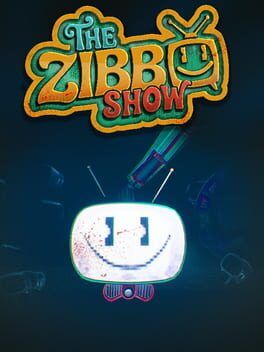
The cover art supplied through IGDB also fits the pitch: bold, character-driven, and built around instant recognition rather than realism. For small games fighting for attention across crowded digital storefronts, that first read is practical design work. The Zibbo Show appears to know that players need to understand the table before they buy into the madness around it.
The biggest drawbacks are depth, AI, and absent multiplayer
The most useful criticism in the source material is specific. Vandal wanted better AI, a more satisfying sense of progression, deeper systems, more freedom for absurd combinations, and a multiplayer mode. Those are not minor wishlist items for a tactics roguelike. They cut directly into replay value.
AI quality is especially important when the entire game is built around repeated contests against opponents. If enemy play becomes predictable, the drama shifts from outthinking a rival to solving a pattern. That can still be satisfying in short bursts, but it reduces the feeling of a dangerous show where every opponent has a personality at the table. Similarly, progression needs to do emotional work. Players should feel their understanding sharpen between runs, but they also need the game to keep feeding new possibilities.
The lack of multiplayer, noted by Vandal as something that would have been a welcome addition, is easy to understand as a production decision and still easy to miss. A 3x3 dice board with turn-based placement sounds naturally suited to head-to-head play. The sources do not confirm any multiplayer mode, so buyers should treat The Zibbo Show as a solo roguelike experience unless a platform listing says otherwise. That does not break the game, but it narrows the audience. Players looking for a couch or online dice battler should wait for confirmed mode details before buying.
Buyer guidance: who should roll, and who should wait
The Zibbo Show is easiest to recommend to players who like compact strategy games, dice manipulation, and roguelike resets that begin making sense immediately. If your favorite part of Balatro-like design is watching simple rules mutate into risky combinations, the available criticism suggests Tessera Studios has built a strong foundation. If you prefer narrative-heavy indie adventures, platforming variety, or long-form campaign progression, this may be leaner and more systems-focused than the surreal presentation implies.
The current critical footprint is still small. Metacritic lists the Metascore as unavailable until four critic reviews are counted, and its page shows only one critic review each under the PC and Nintendo Switch review sections at the time reflected in the provided source text. TheXboxHub published a 4/5 review on November 14, 2026, and Vandal’s review on Metacritic is positive, but there is not yet a broad consensus across many outlets in the supplied material.
My read, grounded in those reported impressions and the confirmed ruleset, is that The Zibbo Show has enough charm and structure to carry its hook for strategy-minded players, but its variety may be the dividing line. It sounds sharp, approachable, and replayable in the short term. It also sounds like a game that could leave high-volume roguelike fans wishing for tougher AI, deeper progression, and more ways to make a run go completely off the rails. Roll if the premise already has you leaning forward. Wait for more platform-specific impressions if longevity, performance, or multiplayer are your deciding factors.
Final Verdict
A solid gaming experience that delivers on its promises and provides hours of entertainment.