
Review

By Night Owl
Overview
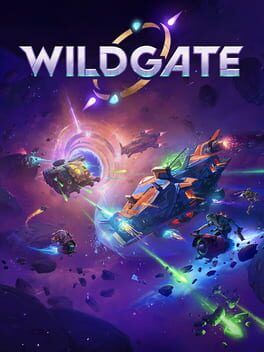
Wildgate quietly slips into the crowded extraction scene with a pitch that sounds almost too good: a PvP-focused, space‑pirate heist game where crews juggle tactical ship‑to‑ship engagements, on‑foot boarding actions, and high‑stakes extraction runs. Instead of dropping into a ruined city or alien valley, you’re captaining a flying coffin through asteroid belts and debris fields, hunting for artifacts and salvage while other squads do the same.
Where Arc Raiders chases a wider audience by blending third‑person shooting, sci‑fi spectacle, and co‑op extraction in big open zones, Wildgate is far more naval and sandboxy. It is about the ship as much as the trigger finger. Every match plays out like a short, chaotic pirate voyage where positioning, roles, and hull management matter as much as who gets the first headshot.
It is not as flashy or polished as Arc Raiders, and its meta progression is thinner, but when a match comes together, Wildgate nails a tense, systemic kind of space piracy that few shooters even attempt.
Ship‑to‑Ship Engagements: Naval Tension vs Arc Raiders’ Ground War
The most important difference between Wildgate and Arc Raiders hits you before you ever touch the ground. In Arc Raiders the ship is backdrop, a bus that drops you into the fight. In Wildgate it is the fight.
Each crew spawns in a shared space sector with a player‑controlled ship. Momentum, inertia, and firing arcs matter, so combat plays like a cross between a light sim and a tactical brawler. You are always thinking about where your nose is pointing, what side of your hull is exposed, and whether you can risk burning engines to swing around for another broadside.
Because the entire economy of a match runs through your ship, every decision about engagement range and angle has teeth. Do you sprint for the central Artifact objective at full burn and light yourself up on every sensor, or skim the outer debris field, farming smaller loot caches to upgrade your guns before committing? When you finally clash with another crew, it feels like two fragile warships trying to out‑maneuver each other while also juggling internal chaos.
Arc Raiders’ engagements feel more like a traditional third‑person extraction shooter, with squads kiting around big mechanical threats and using cover and verticality. Wildgate instead leans into directional damage, line‑of‑sight between hulks of rock and wreckage, and the constant worry that one stupid angle will expose your weak side, venting half your oxygen and forcing an emergency retreat.
The best moments are those slow, nerve‑shredding approach duels. You see another ship on long‑range scanners, throttle down to cut your signature, and try to arc around a derelict station so your gunner gets first shot. When the ambush works and your opening volley strips their shields, it feels earned, not scripted.
Crew Roles: Running a Ship, Not Just a Squad
Arc Raiders treats roles in a soft, kit‑based way: different loadouts, different gadgets, but everyone is essentially a shooter on relatively equal footing. Wildgate goes harder on asymmetry. The ship is a system to be run, and the crew slots into that system.
At a minimum you have a pilot, a gunner, and some kind of engineer or support. On bigger hulls, you might add a boarding specialist who spends more time prepping for on‑foot incursions than worrying about the next turn. Rather than just picking a weapon, you are deciding which responsibilities you actually want in the chaos of a match.
Piloting is not a passive taxi job. You are juggling throttle, vector, and resource management, trying to give your gunners clear firing lanes while staying out of confining angles. Gunners are constantly swapping between turrets, prioritizing threats, and timing bursts to conserve heat or ammo. Engineers patch breaches, reroute power, and decide whether to dump juice into engines for a desperate escape or into shields to tank one more barrage.
There is a clear cause‑and‑effect between crewmates that you rarely feel in Arc Raiders. If the pilot misjudges a drift angle and slams into a rock, the engineer instantly has a crisis and the gunner loses their shot. If your engineer reallocates power to weapons, your pilot suddenly has sluggish thrusters and must commit to the line you are on. This creates a strong identity for each role and amplifies the sense that you are running a vessel, not just sharing a lobby.
On‑foot boarding or defensive actions add another layer. When you latch onto a disabled enemy ship, crew members transition from stations to FPS combat, clearing corridors and holding choke points. This is the one area where Wildgate feels closer to Arc Raiders, with familiar shooting fundamentals, but the context is very different. You are not looting a bunker in a vacuum; you are fighting through a ship whose state you just influenced from outside. Damage you inflicted earlier translates into breached rooms, flickering lights, and environmental hazards that can be used to your advantage.
Loot and Extraction: Artifact Gambles vs Arc Raiders’ Grounded Runs
Both games share the core extraction rhythm: drop in, loot up, survive, and hit an exit. The difference is how they frame the risk.
Arc Raiders typically asks you to push into increasingly dangerous zones, score higher‑tier gear or objectives, then fight your way to evac under pressure from AI and occasionally other players. The tension is heavily front‑loaded in the PvE threats and the final escape moment.
Wildgate funnels the entire arc through the Artifact at the center of the sector. Secondary caches and derelicts scattered around the map offer incremental upgrades: better guns, ship components, consumables. You can absolutely spend a match as a cautious scavenger, nibbling at the edges and skirting around major fights, but to win decisively you need to either secure the Artifact and extract or be the last functioning crew in the sector.
Holding the Artifact paints a target on you. Your ship broadcasts its location, and your extraction route becomes a gauntlet of opportunistic pirates. This is a compelling hook for squads that enjoy high‑risk objectives, because getting the Artifact is only half the battle. The value of your loot is constantly rising alongside the risk of losing it all in a single bad engagement.
The naval framing also changes how extractions feel. In Arc Raiders, evac is a discrete zone or transport. In Wildgate, your ship is your evac, and getting out of the arena means piloting a damaged, over‑encumbered vessel through contested space. Fleeing with a hold full of stolen tech while alarms blare and bulkheads leak is much more evocative than just sprinting to a dropship.
The downside is that Wildgate’s meta progression is currently lean compared to Arc Raiders. Unlocks and long‑term goals feel a bit threadbare. You can tweak your ship and loadouts, but you do not get that same sense of an endlessly growing arsenal or narrative wrapper. If you are the type who needs a constant drip of new guns, cosmetics, and seasonal content, Wildgate will feel modest.
Sandbox Feel and Naval Fantasy
Where Wildgate most clearly separates itself from Arc Raiders is in how systemic its matches feel.
Instead of scripted events and big set‑piece battles, Wildgate relies on emergent interactions between ships, terrain, and objectives. Two crews might ignore each other for most of a match, only to collide near extraction because their paths happened to align. A third crew might choose pure piracy, stalking sensor pings and hitting only weakened targets. The game does not force you into a particular fantasy. It quietly sets the pieces and lets you choose whether you are a cautious trader, a vulture, or an outright terror.
Squads looking for something more naval will appreciate how often the moment‑to‑moment action echoes classic sea battles. You trade broadsides across a debris‑choked lane, back off to make hasty repairs, then re‑engage while a third party circles, waiting to strike at whichever hull starts venting first. Boarding actions become the equivalent of grappling hooks and cutlass charges, translating pirate tropes into sci‑fi without losing the flavor.
Arc Raiders offers a grander sense of adventure and spectacle, with towering robots and cinematic storms, but it is more guided. Wildgate is scrappier, less immediately inviting, but also looser and more player‑driven. If you enjoy making your own problems and stories, that looseness is a strength.
Verdict: A Strong, Naval‑Flavored Alternative, If You Accept the Rough Edges
Wildgate is not going to steal the whole spotlight from Arc Raiders. It lacks the same production values, the wide variety of environments, and the fat pile of cosmetics and meta systems that keep mainstream players hooked. Some of the on‑foot shooting feels a bit utilitarian, more functional than thrilling, and the presentation can be spartan compared with Arc Raiders’ lush destruction.
But if what you actually want from an extraction game is a tense, naval‑style sandbox where ship handling, crew coordination, and the decision to commit to a fight matter more than your latest unlock, Wildgate has a very real edge. Ship‑to‑ship engagements are more tactical and consequential than anything Arc Raiders offers, the role interplay within a crew is genuinely satisfying, and the Artifact‑driven extraction loop creates great, emergent stories.
For squads who fantasize about being space pirates rather than just sci‑fi mercenaries, Wildgate is a compelling alternative, and in some ways the more interesting game. It asks more of you as a crew, gives you more control over how a match unfolds, and pays you back with those unforgettable, barely‑escaped‑with‑a‑sliver‑of‑hull‑left extractions that keep you talking long after you log off.
Final Verdict
A solid gaming experience that delivers on its promises and provides hours of entertainment.