
Review

By Night Owl
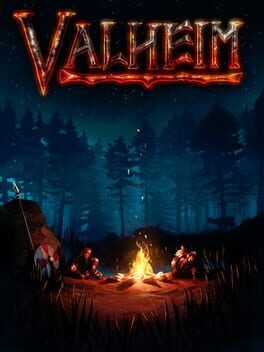
Image: IGDB
Store links: Valheim on Steam
A complete saga, with the hardest miles saved for last
Valheim 1.0 arrives on September 9, 2026, according to PC Gamer’s review listing, finally moving Iron Gate AB and Coffee Stain Publishing’s Viking survival game out of Early Access after roughly five years. The headline addition is the Deep North, described by PCGamesN as one of the strongest areas in the game and by GamingProMax as the final biome that brings new enemies, weapons, dungeons, crafting stations, and a real story ending.
That completion gives this Valheim 1.0 review its central tension. The game’s reputation was built on slow, dangerous discovery, and 1.0 does not sand that identity smooth. It validates Valheim as one of the defining survival crafting games, but it also preserves the drag that can turn a triumphant expedition into another evening of corpse runs, ore hauls, food prep, and weather-bitten regret.
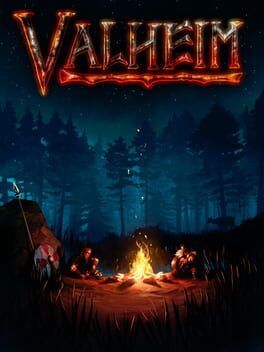
The setup remains clean and durable. You are a fallen Viking denied Valhalla and sent into Valheim, a forsaken realm where Odin has tasked you with defeating the Forsaken. PCGamesN notes that the story is presented through animated sequences, but Valheim still spends most of its emotional budget on the landscape itself: the tree line at dusk, the black mouth of a dungeon, the sick feeling of realizing your boat is farther away than your stamina bar can justify.
For buyers, the important confirmed details are practical. PC Gamer lists Valheim 1.0 at $30/£23.49, developed by Iron Gate AB and published by Coffee Stain Publishing, with Steam Deck status marked Verified. GamingProMax reports wider platform availability, including PC, PlayStation 5, Xbox One, Xbox Series X/S, Nintendo Switch 2, Mac, and Linux, along with full crossplay, though that broader platform list is not corroborated by the Steam excerpt supplied here. Steam is the clearest storefront source in the provided material.
At 1.0, Valheim still earns its survival crafting reputation because its best moments come from systems colliding under pressure. It also asks for patience that some players will reasonably refuse to give. This is a great survival game with a long shadow.
Exploration still works because knowledge is the real loot
Valheim’s smartest trick is that progression begins with curiosity rather than a traditional level ladder. PCGamesN highlights that crafting recipes are discovered through exploration, with even simple finds such as iron scraps or onions opening new possibilities. That design keeps the world dangerous and readable. You push into a new biome because you want answers: what grows there, what drops there, what kills you there, and what that death teaches you.
This remains the best reason to play Valheim survival crafting in 1.0. The game understands that a survival world becomes memorable when travel carries consequence. The first trip into the Black Forest is not a tourism stop. It is a negotiation with darkness, weather, inventory weight, hostile patrols, and your own bad planning. You do not simply unlock a tier of gear. You learn which sounds mean trouble, which slopes will drain stamina, which coastlines offer a safe landing, and how far you can push before night makes bravery expensive.
The source material is consistent on the scale. PCGamesN calls the world massive and says a player could explore for days without uncovering a tenth of it. GamingProMax also describes a vast procedurally generated world inspired by Norse mythology and Viking culture. That scale is essential to Valheim’s spell, but it is also where the fatigue begins. PCGamesN argues that the world can feel surprisingly empty despite its size, with stretches of resource searching that become blind wandering rather than discovery.
That criticism lands because Valheim is at its best when exploration creates a story and at its weakest when exploration becomes a checklist with bad signage. Hunting deer trophies to summon Eikthyr, as PCGamesN describes, can turn the first boss gate into a lesson in patience. Searching the Black Forest for ore while being harassed by smaller enemies can feel like survival pressure, then slowly curdle into attrition.
Still, the world has teeth. PC Gamer’s review opens with a return from a day-long boss fight: broken gear, spent food and arrows, no torch, cold rain, and a shadow in the gloom. That is Valheim’s core promise in miniature. You leave with a plan. You return with a story.
Building is generous, but the resource economy is not gentle
Valheim’s building system remains one of its clearest strengths at 1.0. PCGamesN points to a large range of building materials and furniture, enough to create elaborate longhouses and personalized homesteads. GamingProMax similarly identifies homesteading as part of the game’s appeal, and VGTimes’ roundup quotes IGN praising Valheim’s charming homesteading mechanics alongside deadly dungeons and a broad survival scope.
The reason building works is practical. A base is not decoration detached from danger. It is shelter, storage, preparation space, repair stop, food pipeline, trophy wall, portal network, and psychological anchor. After a bad swamp run or a freezing night at sea, a lit hearth feels like an earned luxury. The comfort of a roof matters because the wilderness has spent the last hour trying to peel you open.
For creative players, 1.0’s building remains a deep well. Valheim gives enough pieces to reward architectural patience, and the visual style is forgiving in a way many higher-fidelity survival games are not. Timber, smoke, uneven ground, and torchlight all flatter rough construction. A base can look lived-in even when it was assembled in panic after sunset.
The cost is the labor behind every wall. PCGamesN notes that crafting and upgrading equipment often call for substantial resources, and that same pressure naturally hits ambitious building projects. The more beautiful your settlement becomes, the more trees, stone, metal, and transport work it quietly consumes. That is thematically appropriate for a survival game, but it can also become a second job if you are playing solo or trying to keep multiple biomes supplied.
This is where co op changes the temperature. In a group, one player can build, another can farm, another can scout, and another can get everyone killed by angering something enormous in the woods. The same chores gain rhythm when divided among friends. Alone, Valheim can be beautifully meditative, but Reddit discussion around the IGN review captures a real split: some players say solo lets them progress and build at their own pace, while others find it lonely and wish for NPCs or visitors to make bases feel less empty.
The building verdict is simple. If you like earning every beam, Valheim remains excellent. If you want creative freedom without gathering friction, you will fight the game as often as the monsters.
Boss progression gives the world shape, then makes you pay interest
Valheim’s boss structure is the spine that holds its procedural world together. Each Forsaken encounter demands preparation, biome knowledge, upgraded equipment, and the confidence to risk what you have gathered. PCGamesN’s description of Eikthyr illustrates the basic loop: find the altar, gather the required offering, summon the boss, then survive the fight. Later progression expands that rhythm through harsher biomes, rarer resources, and more punishing travel.
This structure is still effective because the bosses turn wandering into intent. You are not only collecting ore because a menu says so. You are building toward a confrontation that will open the next chapter of the world. The game’s crafting, food, armor, weapons, map knowledge, and base logistics all funnel into these rituals. When they work, boss fights feel like the end of a season in your personal Viking saga.
The cost is pacing. PCGamesN’s frustration with deer trophies before Eikthyr is a small early example of Valheim’s larger issue: the gate is often conceptually clear but practically slow. You may know exactly what you need and still spend hours waiting for the world to provide it. PC Gamer’s opening anecdote about a day-long boss battle shows the drama that can emerge from that pressure, but it also hints at the time commitment demanded by each major step.
The Deep North appears to be designed as the final test of that long structure. GamingProMax reports that players need to clear Mistlands and Ashlands first, and that Iron Gate recommends starting a fresh world for the full 1.0 experience because the new biome only generates properly in unexplored areas. If accurate, that guidance matters enormously for returning players. Your old world may not present the final biome cleanly if you have already explored the relevant map regions.
The Deep North enemies described by GamingProMax sound suited to Valheim’s harsher late game identity: Gammeltrolls that throw tree trunks, lantern-bearing Elakingar, dungeon enemies called Eyeless, frozen Barka creatures, and Viking Ghosts tied to the final boss. PCGamesN praises the region as everything a Viking adventure should be, while also warning that reaching it can take days and frustrate players.
That is the honest exchange. Valheim’s bosses give meaning to survival. They also expose every slow system underneath.
Co op is the best pace, solo is the purest pressure
Valheim supports one to ten players, according to GamingProMax, and the supplied discussion around the 1.0 reviews makes the co op question feel central rather than optional. A Reddit thread reacting to IGN’s review includes players asking how the game works solo, with replies arguing that single-player maximizes the quiet base-building mood while also acknowledging that the world can feel lonely and lifeless.
Both readings are true to the game Valheim has become. Solo play sharpens the survival pressure. Every meal, arrow, spare pickaxe, boat route, and corpse recovery is your responsibility. When the night comes down and you are wet, cold, and carrying too much ore to sprint, the world feels hostile in a way co op often softens. As a horror and survival experience, that solitude is powerful. Valheim can make a rustle behind the trees feel worse than a scripted jump scare because the danger has systems behind it.
Co op, however, is where the pacing most often feels humane. Resource gathering, scouting, building, cooking, farming, sailing, fighting, and portal maintenance all benefit from division of labor. The grind does not vanish, but it becomes social. A failed expedition becomes comedy before it becomes resentment. A longhouse becomes a shared landmark rather than proof that you spent another night chopping wood.
The game’s enemy and resource design also favors groups without making solo impossible. PCGamesN’s examples of ore hunting while being harassed in the Black Forest and trophy farming for boss summons are more tolerable when a group can spread out or cover each other. Boss fights gain spectacle when multiple players are patching mistakes in real time. The tradeoff is coordination. Valheim co op can drag if one player wants to push bosses, another wants to perfect the roofline, and a third keeps sailing into trouble.
For returning players, the 1.0 endgame makes this choice sharper. If the Deep North requires progress through Mistlands and Ashlands first, as GamingProMax reports, a fresh solo run is a major undertaking. In co op, that same road can become a campaign. The best recommendation is to match your format to your tolerance: solo for tension and ownership, co op for momentum and shared labor.
Late game fatigue is real, even when the destination is gorgeous
The most important criticism of Valheim 1.0 is not that it lacks ambition. The issue is that its ambition is carried by systems that can exhaust the player before the best new material arrives. PCGamesN’s review captures this contradiction directly, praising the Deep North while calling the route there frustrating and time-consuming. VGTimes’ roundup places that 80/100 review beside more enthusiastic scores from outlets including IGN and TheGamer, which suggests broad admiration but differing tolerance for the grind.
Late game survival crafting lives or dies on whether repetition feels like ritual or waste. Valheim often keeps it on the right side. Food prep before an expedition, repairing gear, loading a ship, checking the sky, and stepping into a new biome all create dread and anticipation. The world asks you to respect it. That respect is the source of much of the game’s atmosphere.
But respect can become resentment. Long resource runs, rare drops, heavy transport, and boss prerequisites can slow the saga at precisely the point players want escalation. PCGamesN’s complaints about searching for ore and rare deer trophies scale upward as the game grows. If you bounced off Valheim in Early Access because progress felt too grind-heavy, 1.0’s completion does not appear to reverse that philosophy. It gives you a grander finish, not a fundamentally lighter road.
Performance details in the supplied sources are limited. PC Gamer lists its review system as an Intel i7 9700K, RTX 4070 Ti, and 16GB RAM, and marks Steam Deck as Verified. That is useful for availability, but the provided material does not include enough comparative frame rate data to make platform-specific performance claims. The safest buyer guidance is to treat the Steam Deck Verified note as a positive compatibility signal, while waiting for broader benchmarks if you are sensitive to performance in large bases or late biomes.
Audio receives less explicit attention in the supplied reviews than world design, but the described atmosphere depends on environmental pressure: rain, cold, darkness, distant threats, and the dread of returning home underprepared. Valheim’s presentation remains strongest when it lets the world breathe. It does not need constant noise to unsettle you.
Valheim 1.0 is complete, confident, and occasionally cruel with your time. Its final biome sounds worthy of the journey. Whether you should make that journey depends on how much of the journey you are willing to carry.
Final Verdict
A solid gaming experience that delivers on its promises and provides hours of entertainment.