
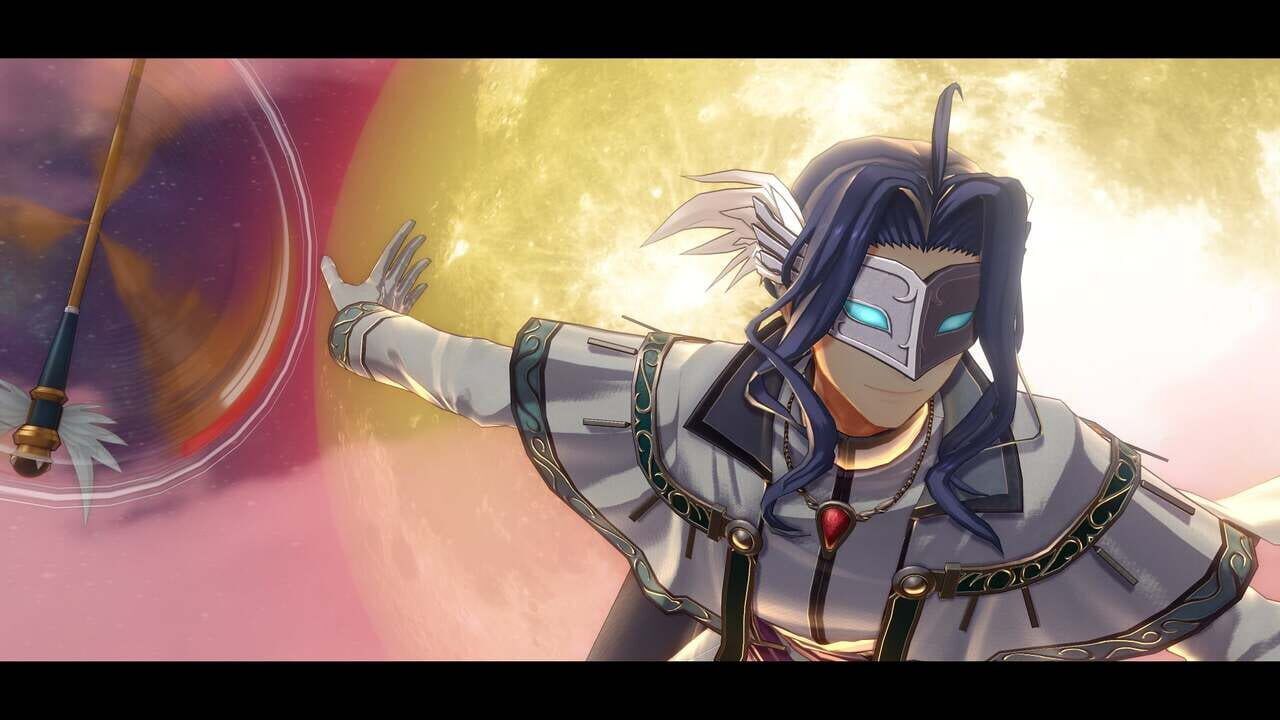
Review
By The Completionist
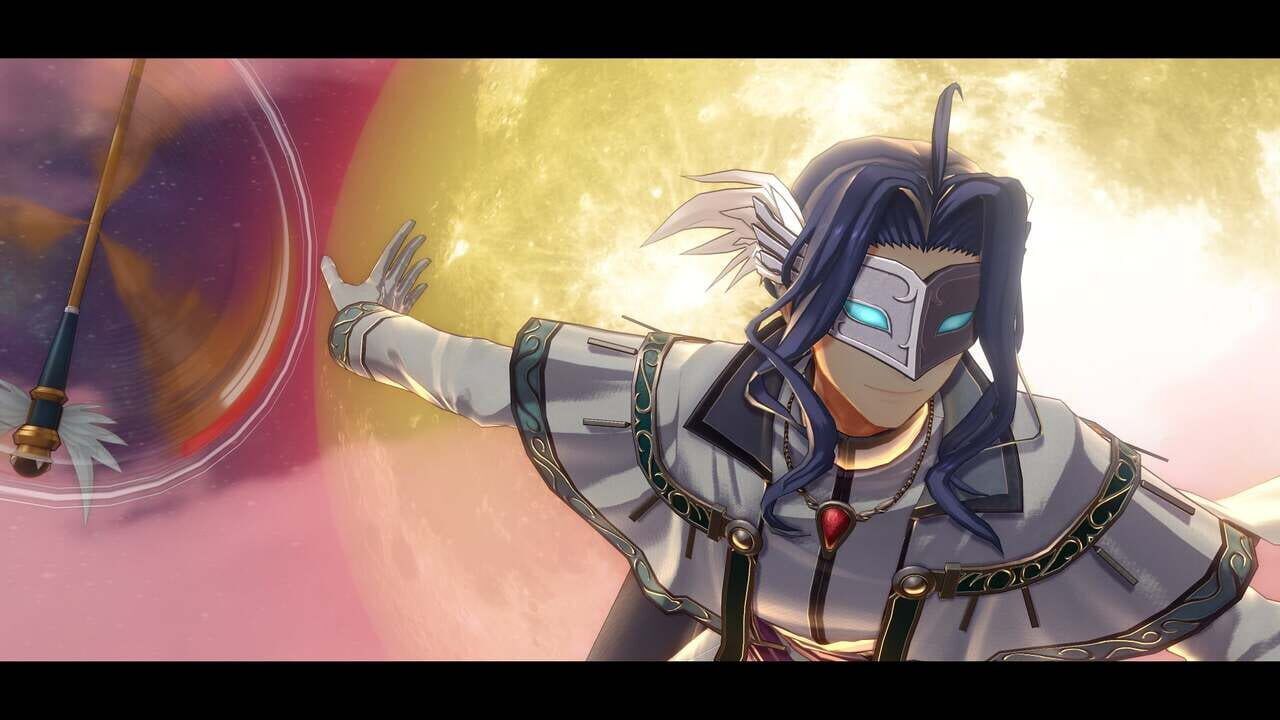
Image: gamingbuddy.eu
A fast follow-up with a heavy burden
Trails in the Sky 2nd Chapter launches on September 17, 2026 for PC via Steam, PlayStation 5, Nintendo Switch, and Nintendo Switch 2, according to platform details listed by Kotaku and Wccftech. That quick turnaround matters because the first remake ended on one of the series’ defining cliffhangers, and the sequel’s job is unusually delicate: it has to pay off Estelle Bright’s heartbreak without sanding away the slow-burn character work that made the original Trails in the Sky SC endure. The available publisher listings are not perfectly aligned. Wccftech lists Nihon Falcom and GungHo Online Entertainment as publishers, while a HeadTopics aggregation also names Clouded Leopard Entertainment. Since the sources do not explain regional splits, buyers should check their local storefront before assuming which company handles their version. The stronger constant is the developer. Nihon Falcom is credited across the review listings, and this remake follows last year’s Trails in the Sky 1st Chapter remake by keeping the structure recognizably Sky while updating combat and presentation for the current audience. As a 2nd Chapter remake review, the central question is less whether Falcom has made an entirely new game. The better question is whether a modernized Falcom RPG can still land the emotional consequences of Joshua’s departure, Estelle’s search, and Ouroboros stepping fully into the story. On that count, it succeeds.
Estelle’s search still carries the remake
Wccftech’s review summary places the opening exactly after the previous game’s ending: the coup in Liberl has been stopped, Queen Alicia’s birthday is being celebrated, and Joshua leaves Estelle after revealing the darker truth of his past. That is the correct pressure point for a remake. The first Sky is often described as a setup game, and Nintendo Insider’s review of Trails in the Sky 1st Chapter frames that structure around bracer work, local mysteries, and the gradual building of Liberl as a lived-in country. 2nd Chapter has to convert all of that patient groundwork into momentum. The remake preserves that emotional spine. Estelle is still the lens through which the sequel works best, because the adventure is personal before it is geopolitical. HeadTopics describes the broader arc as Estelle crossing Liberl to find Joshua while facing the Society of Ouroboros, with the threat escalating toward burning capitals, airships, and the Shining Ring. That scale is important, but the remake’s strongest storytelling decision is its restraint. It does not treat the larger conspiracy as a replacement for Estelle’s grief and resolve. The result is a JRPG review recommendation with a clear caveat: do not start here. Kotaku correctly notes that the two Sky remakes are difficult to disentangle, since the sequel is a continuation of a story rather than a clean entry point. If you finished 1st Chapter, though, this is the payoff you were waiting for.
Combat modernization respects the old rhythm
The combat changes are where the Trails in the Sky remake project most clearly argues for its existence. Wccftech describes the first remake’s system as a blend of real-time action mechanics reminiscent of Falcom’s Ys lineage with the turn-based foundation of the original game, and says 2nd Chapter continues that faithful approach while removing dated friction. Kotaku similarly says the remake does not make grand mechanical shifts from the first remake, but continues a snappier modern framework. That continuity is a strength. 2nd Chapter benefits from battles that move faster and ask for more moment-to-moment attention, while still retaining the party-based JRPG planning that makes Trails satisfying over dozens of hours. HeadTopics points to new Crafts and S-Crafts, which is exactly the kind of addition this sequel needs: visible character growth expressed through combat options rather than only through cutscenes. The tradeoff is that players coming from later arcs should temper expectations. Kotaku’s review notes that combat lacks some of the current story arc’s extras, and I agree with that as a buyer-facing warning. This is not the most feature-rich version of modern Trails combat. It is a careful modernization of Sky’s older design language. If your favorite part of a Falcom RPG is elaborate buildcraft and layers of subsystems, 2nd Chapter may feel conservative compared with newer entries. If your priority is cleaner pacing, more responsive encounters, and fewer barriers between story beats, the remake’s combat is a meaningful upgrade.
Completionist pacing: generous, sometimes guided
2nd Chapter remains a large game, and the remake does not disguise that. Kotaku reports a final playtime of about 80 hours with a B+ bracer rank, which gives completion-minded players a useful expectation without pretending there is a single correct route through the game. The side structure also fits the fiction. Nintendo Insider’s look at 1st Chapter explains why bracer work matters in Sky: quests build renown, reward exploration, and let players inhabit the role of traveling problem-solvers rather than simply chase the next crisis marker. That foundation carries particular weight in 2nd Chapter because the main story is more urgent. The best rhythm is to treat side quests as emotional breathing room and world maintenance, not as checklist padding. HeadTopics also lists poker, fishing, and cooking with companions among the remake’s side activities, which should appeal to players who like JRPG downtime between heavier chapters. The weakness is guidance. Kotaku calls out occasional hand-holding, and that tracks with the remake’s broader accessibility goal. Some players will appreciate clearer direction in a sequel that spans Liberl and brings back prior locations while adding new ones. Others may miss the friction and mystery of older Trails navigation. As a completionist, I would rather have a remake err slightly toward readable quest flow than bury time-sensitive content behind opaque habits, but the game sometimes overexplains its path.
Liberl looks brighter, and the script has cleaner footing
Presentation is the easiest immediate sell for returning players. Kotaku praises the vibrant art style for showing Liberl from a fresh angle, while Wccftech highlights the stunning cel-shaded visuals carried forward from the first remake. The effect is practical as much as cosmetic. Sky’s towns, roads, and ruins rely on repetition and return visits, so clearer geometry, brighter character work, and stronger monster silhouettes help the long journey breathe. PC Gamer’s coverage singled out one of the remake’s JRPG monsters as especially creepy, and while the provided excerpt does not identify the creature, it supports a broader point: the new presentation gives Falcom’s stranger designs room to unsettle rather than flattening them into retro abstraction. The script is the more consequential repair. Kotaku says the first remake had localization woes, including terminology problems and character voice issues, and lists localization fixes among the sequel remake’s welcome improvements. In a Trails game, that is not a minor polish note. This series lives in recurring names, institutions, political nuance, and tiny emotional callbacks. A cleaner localization helps 2nd Chapter preserve the payoff of years of affection for Estelle and Joshua, while also making the route into the wider Trails series less intimidating for new players who began with the remake of 1st Chapter.
Who should buy, who should wait
If you finished Trails in the Sky 1st Chapter and wanted the cliffhanger resolved without returning to the older PC or PSP-era presentation, 2nd Chapter is an easy recommendation. It is a faithful remake of the sequel that made the Sky arc’s setup feel worthwhile, and the modern combat does enough to reduce friction without turning the game into a different kind of RPG. If you have never played the first chapter, start there. The sources are consistent that 2nd Chapter begins immediately after the prior ending, and its best scenes depend on knowing Estelle and Joshua before the separation. There is also a practical demo path. A r/Falcom community demo thread stated that the demo contains the prologue and first chapter, is available through Steam, PlayStation Store, and Nintendo eShop, and that demo save data carries into the full game. Since that is a community thread rather than a storefront excerpt provided here, check the store page for your platform before committing time. Price, PC requirements, and platform-specific performance results are not included in the provided source material, so players sensitive to frame rate, handheld battery life, or regional publishing details should wait for platform tests or storefront confirmation. Everyone else can treat this as the modern on-ramp the Sky sequel needed.
Score rationale
Trails in the Sky 2nd Chapter earns its score by understanding the assignment. Story is the highest mark because the remake preserves the emotional throughline of Estelle searching for Joshua while escalating Ouroboros from shadowy presence to central threat. Gameplay lands slightly lower, not because the hybrid action and turn-based system fails, but because Kotaku’s criticism about missing some later-series extras is fair. Graphics are strong thanks to the cel-shaded rebuild of Liberl, with the caveat that this is still a Falcom production built around efficient scope rather than lavish excess. Audio is harder to separate from the available material beyond Joshua’s harmonica functioning as a key emotional object, but the remake’s presentation supports the story’s tone well. Performance receives a conservative score because the provided sources do not include technical testing by platform. Overall, this is one of the more sensible JRPG remakes in a crowded remake era: respectful, readable, emotionally intact, and modern enough to recommend to players who bounced off the original’s age.
Final Verdict
A solid gaming experience that delivers on its promises and provides hours of entertainment.