
Review

By Big Brain
A slower, deadlier heir to Diablo 1
Tower of Kalemonvo does not care if you are used to dash‑spamming through screen‑wide explosions. It is a modern ARPG built around the pacing and dread of Diablo 1: slow steps, fragile health bars, and the knowledge that a single bad pull can erase an hour of progress. When it works, it is one of the most convincing spiritual heirs to Blizzard’s classic yet. When it stumbles, it usually has more to do with rigidity than difficulty.
Everything is in service of tension. You are a lone wanderer entering a cursed tower, working floor by floor toward the top. There is no cozy town loop, no vendor carousel, no way to tab out mentally. Between the oppressive audio, claustrophobic rooms, and the knowledge that your build only barely keeps you alive, it nails the feeling of being trapped in hostile architecture.
Permadeath that actually changes how you play
Permadeath is not a marketing bullet point here, it is the spine of the design. A run in Tower of Kalemonvo is a single continuous push. If you die, that character, their gear, and their painstakingly tuned stat spread are gone. What persists is you: your knowledge of what the tower can throw at you, what enemy compositions are lethal, and which risk‑reward decisions are never worth it.
The permadeath rule forces an old‑school mindset. You stop mindlessly face‑tanking chip damage and start treating every hallway as a resource puzzle. Do you backtrack to kite that pack into a chokepoint, or do you risk a more open engagement to save time and consumables? Heals are finite and enemies hit hard enough that lazy play is punished almost immediately.
Importantly, death rarely feels cheap. When a run ends, you can usually point to the greed moment that killed you: opening one more cursed chest at low health, pushing to clear a floor instead of retreating to regroup, or experimenting with an unproven skill loadout in a room you knew was bad. The game is honest about its numbers, so the sting of permadeath comes from your decisions, not invisible RNG or off‑screen projectiles.
Randomized floors that reward caution and curiosity
Each ascent generates a fresh set of floors with different layouts, enemy mixes, and loot drops. This is not a loot‑vomit roguelite, though. The randomization is tuned to keep you on edge rather than drown you in variety.
Layouts tend toward narrow corridors and compact arenas. Line of sight matters. You are constantly peeking into darkness, pulling a few enemies at a time, and listening for audio cues that hint at nastier foes deeper in. Randomized choke points and doorways mean no two routes through a floor feel identical, even when tile sets repeat.
Enemy combinations are where the tower’s personality really emerges. A simple melee pack in a wide room is trivial. The same enemies funneled through a door when a summoner is hiding in the back becomes a resource tax. Elite variants with extra health or elemental effects can turn an otherwise manageable pull into a panic scramble.
The key is that randomization serves pacing. Early floors are tense but fair, giving you just enough loot to feel incremental growth. Midgame floors are where the game starts to squeeze, throwing awkward enemy pairings and stingier drops. Late floors become endurance tests where the question is not "Can my build do damage?" but "Can I stay disciplined for another thirty minutes without making a lethal mistake?"
Buildcrafting for planners, not button mashers
Tower of Kalemonvo’s buildcrafting feels closer to a crunchy 90s RPG than a modern ARPG talent circus. You invest stat points in a small set of core attributes, learn skills that alter how you fight, and chase loot that meaningfully shifts your playstyle rather than simply inflating damage numbers.
There is a gratifying sense of identity to a successful build. A heavily armored melee bruiser leans on block chance, life leech, and careful positioning to survive sustained brawls. A spell‑slinger prioritizes mana regen, cast speed, and crowd control, living or dying by their ability to manage distance. Hybrid builds are possible, but the game’s lethality punishes unfocused spreads. You quickly learn that trying to "do a bit of everything" is a good way to do nothing well enough to live.
The most satisfying part is how builds interact with permadeath and random floors. Because you never know exactly what the tower will serve you, you are constantly weighing specialization against flexibility. Do you double down on poison because you found a great set of synergistic items, knowing some enemies shrug it off, or keep your damage profile broader in case the next floors lean heavily into resistances?
Rerolling is not just inevitable, it is the intended loop. Finished a run with a tanky brawler that slowly ground its way up? Next time, you might experiment with a glass cannon crit build that deletes enemies but folds if you mistime a single step. Each new character lets you test a different response to the tower’s pressures. The meta‑progression is almost entirely in your head.
Atmosphere that lives in Diablo 1’s shadow – in a good way
Visually and tonally, Tower of Kalemonvo is practically screaming "Remember Tristram?" In lesser hands that would be cheap nostalgia. Here, it is a reference point the game earns.
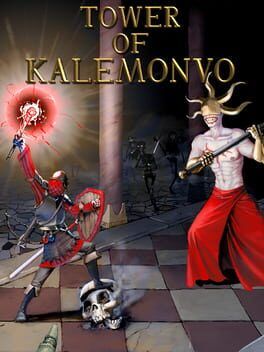
The pixel art is stark and purposeful. Color is rationed, so the smallest glow from a spell or a cursed altar feels significant. Monster designs lean into classic silhouettes cultists, shambling corpses, beasts lurking in the dark but rendered with enough detail to be readable at a glance. The tower itself feels oppressive, thick with stone and shadow rather than just a stack of themed biomes.
The soundscape does heavy lifting. There is a low, almost physical hum to the ambient audio that keeps you tense even during quiet stretches. Footsteps echo just a little too long. Enemy snarls and casting sounds are distinct enough that you start to recognize threats before you see them. The music sits closer to droning atmosphere than melodic tracks, echoing Diablo 1’s approach of making you feel alone first and empowered second.
For old‑school ARPG fans, this is likely to be catnip. There is no glossy sheen, no glib banter breaking the mood. Just you, the tower, and the slow grind of attrition.
Pacing: methodical, sometimes to a fault
If you grew up on Diablo 1, the pace here feels like coming home. Each pull matters. Movement is deliberate. Clearing a floor can take a meaningful slice of time, especially if you are carefully pulling enemies in small groups and backtracking to avoid overextending.
That said, the game is not always good at respecting that time investment. Certain floors can roll in ways that feel more tedious than tense, with long stretches of low‑threat combat that drag without offering interesting tactical choices or loot upgrades. When a slow, careful game stumbles into monotony, the lack of a fast‑forward or quality‑of‑life shortcuts becomes painfully apparent.
The no‑town, no‑respec structure is philosophically consistent with the 90s inspiration, but occasionally frustrating in a modern context. If you misallocated a few early points or built around a skill that underperforms on higher floors, your only option is to either push a doomed build until it breaks or restart early. Players who enjoy iterative build refinement in town hubs may miss that loop.
Input feel can also be a sticking point. Because combat is slow, you really notice any slight stiffness in movement or attacks. When controls feel even a little unresponsive in a game where one hit can be the difference between survival and permadeath, frustration spikes quickly. It is never unplayable, but there are runs where you wish the game’s precision matched its demands more closely.
Will old‑school ARPG fans be satisfied?
For the specific player who still launches Diablo 1 or similar slow burners to this day, Tower of Kalemonvo is very close to a bullseye. It respects your time by making every decision consequential, not by showering you with constant rewards. It is uncompromising, sometimes grumpy in its design philosophy, and entirely uninterested in chasing the spectacle of modern ARPGs.
Its permadeath structure and randomized floors feed perfectly into that ethos. You are encouraged, almost required, to run the tower again and again, each time a little wiser, a little sharper in your pulls, and a little more daring in your builds. The repetition feels purposeful rather than grindy, as long as you accept that failure is a feature, not a flaw.
If what you want is a "comfort food" clicker with generous respecs, sprawling town sequences, and the ability to alt‑tab your brain while purple loot fountains erupt, this will feel punishing, maybe even hostile. But if you have been waiting for a modern ARPG that genuinely understands why the catacombs beneath Tristram were scary in the first place, Tower of Kalemonvo is absolutely worth the climb.
Final Verdict
A solid gaming experience that delivers on its promises and provides hours of entertainment.