
Review
By The Completionist
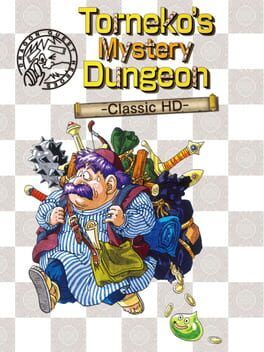
Image: IGDB
Store links: Dragon Quest Heroes: Torneko's Mystery Dungeon Classic HD on Steam
A foundational roguelike finally gets its English moment
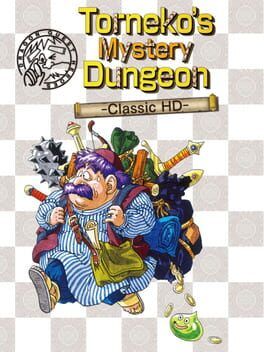
Dragon Quest Heroes: Torneko's Mystery Dungeon Classic HD arrives with a rare kind of pressure on it: according to RPGFan, it was revealed and released during a Nintendo Direct and represents the first official English localization of the original Torneko Mystery Dungeon. That matters for how this review has to be read. This is not a modern roguelike built from decades of iteration. It is the 1993 Super Famicom game, historically identified by SuperJump, Cubed3, RPGFan, and NoisyPixel as the first Mystery Dungeon title and the first Dragon Quest spin-off, brought back with HD presentation and modern availability.
That history is valuable, but it does not automatically make the game easy to recommend in 2026. The central tension of this Torneko's Mystery Dungeon Classic HD review is whether a design built around loss, repetition, scarcity, and player memory still feels satisfying when modern roguelike players have become used to clearer onboarding, broader build variety, generous unlock structures, and flexible recovery systems.
The answer is yes, with a meaningful caveat. Torneko remains rewarding because the core loop is clean, legible, and still tactically sharp. It also remains old-fashioned in ways that some players will read as purity and others will read as austerity. Classic HD preserves a game about learning through repeated failure rather than being carried by permanent upgrades, cinematic storytelling, or modern convenience layers.
Torneko is still the right Dragon Quest hero for this job
Torneko Taloon is an inspired lead because his goals fit the structure of a dungeon crawler. Cubed3 and RPGFan both frame the game after his Dragon Quest IV adventures, with Torneko returning to domestic life alongside Tessie and Tipper before chasing treasure in an ever-changing dungeon. He is a merchant first, and that identity gives the loop an unusually grounded purpose: enter the dungeon, survive with whatever you can find, bring back goods, and help the family business grow.
The early crown quest, described by Cubed3 and RPGFan as a ten-floor challenge assigned by the king, functions as the game's first real exam. It teaches the rhythm of entering with nothing, reading each floor, and accepting that greed can end a run faster than any single monster. NoisyPixel also describes the opening as a skill check, which is accurate to the way the game uses its tutorial: it does not bury the player in explanation, but it does demand that the player internalize positioning, retreat routes, hunger, and item timing quickly.
The story is modest, but its modesty suits Torneko. Cubed3 notes that deeper progression leads toward the Box of Happiness, and that the eventual reveal lands with a distinctly Dragon Quest sense of warmth. This is not a plot-heavy RPG. Its narrative reward comes from watching a humble shopkeeper turn dungeon risk into family stability. For Dragon Quest fans, that makes Classic HD charming in a quieter way than a mainline adventure. For roguelike fans, it gives the repetition a gentle fiction without softening the rules.
The old Mystery Dungeon rules still create real decisions
The core design remains the reason to play. VideoChums describes the dungeons as grid-based spaces where monsters move when Torneko moves, with eight-direction movement and attacks, rooms connected by restrictive corridors, and every step carrying tactical weight. RPGFan similarly describes procedurally generated rooms, familiar Dragon Quest enemies such as Slimes, Drackies, and Funghouls, and runs that begin with Torneko at level one and an empty inventory.
That structure is strict, but it is rarely mindless. Corridors become choke points. Open rooms become risks if enemies approach from multiple angles. Taking one extra step to grab an item can force a bad engagement. Attacking too early can leave Torneko exposed. Waiting can restore positioning, but hunger and enemy flow keep stalling from being free. The game is simple on the surface, yet its decisions are dense because each action advances the whole board.
SuperJump's retrospective emphasizes the defining Mystery Dungeon consequence: defeat can cost items, gold, progress, and experience. That is still the philosophical spine here. Progression exists, but much of it lives in the player rather than in Torneko's stats. You learn which fights to refuse, when to spend an escape item, how to ration food, and when a tempting unidentified item is worth the risk. RPGFan adds an important calibration point, saying failed runs in its experience usually came from overconfidence or poor strategy, while impossible procedural situations were occasional rather than the norm. That distinction is crucial. Classic HD is harsh, but it is not usually random noise.
Inventory management is the build system
Players coming from contemporary roguelikes may initially look for elaborate character builds, permanent skill trees, or branching class identities. Torneko's Mystery Dungeon Classic HD offers something leaner. Its buildcraft is mostly improvised through inventory, equipment, and floor-by-floor judgment.
VideoChums highlights the breadth of usable items: wands that can put enemies to sleep, scrolls that can warp Torneko out of danger, meals that manage hunger, herbs that restore HP, arrows that soften enemies at range, gear-enhancing scrolls, rust-proofing for shields, item identification, and even a walking stick to help with certain traps. Those pieces give the game its best strategic texture. A strong weapon helps, but it does not replace a good escape plan. A full bag is comforting until it forces hard choices about what to keep. A wand charge spent early might save HP now, but leave Torneko exposed later.
This is where the classic design still feels most rewarding. The game constantly asks whether an item is a solution, insurance, or bait. Because a run can collapse quickly, hoarding is dangerous. Because resources are finite, panic-spending is dangerous too. The sweet spot is deliberate flexibility: using items before a crisis becomes unrecoverable, while preserving enough tools to answer the next unknown floor.
As an RPG progression experience, it is narrower than modern Dragon Quest fans may expect. Torneko does not become a customizable combat engine. The pleasure comes from mastery, route reading, and temporary advantage. If you enjoy filling checklists, optimizing party jobs, or building long-term stat plans, this may feel sparse. If you enjoy squeezing value from limited tools, it remains quietly excellent.
Approachable for Dragon Quest fans, sterner for modern roguelike players
Classic HD is more approachable than its age suggests, partly because Dragon Quest's visual language makes the rules readable. Cubed3 contrasts Torneko's role in adapting roguelike ideas for a broader console audience with Rogue's older ASCII-era friction, while SuperJump places Torneko at the root of later Mystery Dungeon branches, including Pokémon Mystery Dungeon and Shiren the Wanderer. That lineage is useful for setting expectations. Pokémon Mystery Dungeon players may recognize the turn-based dungeon cadence, but Torneko is less forgiving. Shiren players will recognize the discipline, though later entries add layers this origin point does not have.
The biggest barrier is psychological. Losing a run here can feel severe because the game is built around returning to a vulnerable baseline. DualShockers describes the experience as simple and even bare-bones by modern standards, while also arguing that this sparseness is tied to what the game set out to be decades ago. That is a fair warning. Classic HD does not smooth every edge simply because it now has HD visuals.
For newcomers, the best advice is to treat the opening hours as education rather than failed progress. Do not measure improvement only by dungeon depth. Measure it by whether you preserved healing longer, handled corridors better, used arrows before melee contact, identified danger earlier, or escaped a doomed room without turning one mistake into three. The game becomes more generous once you stop expecting every run to produce permanent gains.
For Dragon Quest fans who mainly want characters, music, monsters, and cozy series texture, Torneko is welcoming in tone but firm in structure. For roguelike fans who want the genre's roots, it is fascinating and still playable. For players who expect modern meta-progression to soften repeated losses, it may feel like homework.
The HD presentation has charm, but the dungeon art shows its age
The visual upgrade is pleasant, though sources differ in how strongly they frame it. Cubed3 calls the remake's HD-2D look dazzling, while RPGFan says the HD remaster leaves a lot to be desired. VideoChums lands between those poles, praising the adorable sprites, cute animations, visible equipment on Torneko's sprite, and catchy music built on iconic Dragon Quest melodies, but criticizing the dungeons for looking drab and lacking environmental variety.
That mixed picture matches the game's priorities. Character art and animation carry the presentation better than the dungeon tiles do. Torneko being dragged away after failure, the readable enemy silhouettes, and the Dragon Quest musical identity all help soften a punishing game without changing its rules. The environments are less successful because repeated dungeon crawling exposes sameness quickly. In a game about dozens of careful floor reads, visual repetition becomes hard to ignore.
Performance is harder to assess from the provided source material. RPGFan and Cubed3 reviewed the Nintendo Switch 2 version, and a Steam Community page exists for app 4027450, confirming a Steam presence, but the supplied sources do not provide detailed frame-rate testing, PC requirements, or broad platform comparisons. Based on the material available, there is no sourced evidence of major technical instability, but cautious buyers should still check current platform-specific user reports before purchasing on PC or Switch 2.
Verdict: a preserved classic best suited to patient players
Dragon Quest Heroes: Torneko's Mystery Dungeon Classic HD is a valuable release because it makes a foundational Dragon Quest roguelike officially accessible in English, and because its core design still works. The movement rules are crisp, the item economy creates meaningful pressure, and Torneko's merchant framing gives the repetition a warm Dragon Quest identity. When a run comes together through smart positioning, timely item use, and restraint, the game still delivers the particular satisfaction that Mystery Dungeon built its name on.
Its weaknesses are equally clear. The remaster does not appear, based on the sourced reviews, to substantially modernize the structure beyond presentation and niceties. The dungeon visuals lack variety, the progression model can feel thin beside modern roguelikes, and the penalty for failure will be a hard stop for players who need visible advancement after every attempt.
As a buyer's guide, this is easiest to recommend to players who value RPG history, traditional Mystery Dungeon design, and Dragon Quest's softer character tone. It is a cautious recommendation for Pokémon Mystery Dungeon fans looking for a friendlier next step, because Torneko is sterner than that branch. It is a stronger recommendation for Shiren fans and roguelike players curious about the genre's console roots. Classic HD proves Torneko's design can still be rewarding in HD, but only if you are willing to meet it on its old terms.
Final Verdict
A solid gaming experience that delivers on its promises and provides hours of entertainment.