
Review

By Night Owl
Tomodachi Life: Living the Dream Review
Nintendo has finally brought Tomodachi Life back, and the good news is that Living the Dream understands exactly why people were so attached to the original in the first place. This is still a social simulator built on awkward Mii faces, bizarre arguments, half-random romances, and the kind of deadpan absurdity that only becomes funnier the longer you stare at it. The better news is that this sequel does more than simply exhume a 3DS curiosity for a nostalgia lap. It modernizes the experience in smart, if not always revolutionary, ways that make the day-to-day loop smoother, fuller, and easier to commit to in 2026.
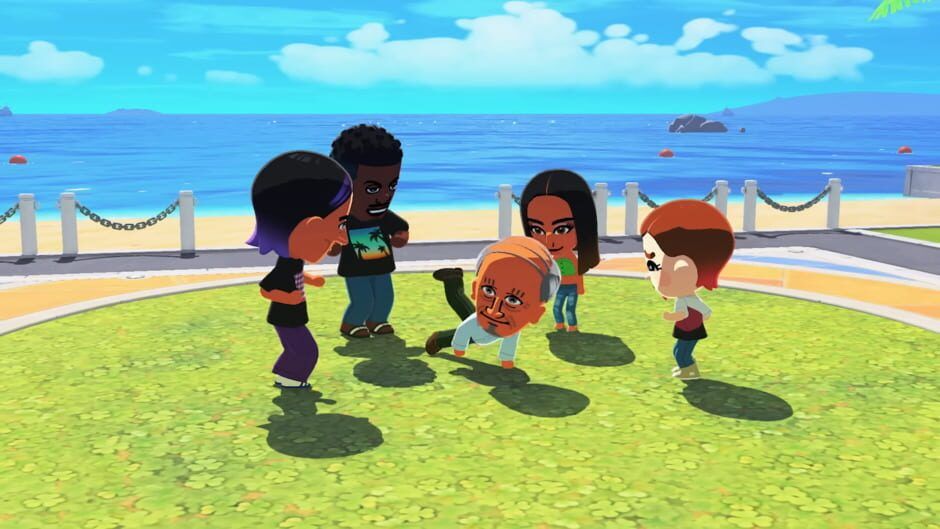
The core appeal remains delightfully strange. You populate an island with Miis based on friends, family, celebrities, cursed inventions, or whatever nonsense your imagination spits out, then watch them develop lives that are only partly under your control. They fall in love, hold grudges, ask for new clothes, get hungry at inconvenient times, and occasionally behave like they were assembled from scraps of daytime television and fever dreams. Living the Dream still thrives on that sense of indirect authorship. You are less a god than a meddling sitcom producer, nudging personalities together and waiting to see whether the result is heartfelt, chaotic, or humiliating.
That Mii-driven humor is still the game’s killer feature. Nintendo has not sanded off the series’ weirdness in pursuit of broader social sim trends, and that is a huge relief. The comedy comes from the collision between the player’s creations and the game’s unwavering sincerity. A Mii with the face of your grumpy uncle delivering a dramatic love confession is funny. A pop concert performed by your worst homemade monstrosity is funny. A petty argument between two Miis you specifically designed to be insufferable is even funnier. The writing and event framing do a good job of supporting these moments without overexplaining them. The game trusts the simulation, the character models, and the voice quirks to carry the joke.
Where Living the Dream feels most modern is in how much better it respects your time. The original game could be charmingly aimless, but it could also feel like a chore board covered in speech bubbles. This sequel does a much better job of organizing requests, surfacing relationship changes, and making island management less fiddly. Quality-of-life improvements are not glamorous headline features, but they matter enormously in a game built on repeated check-ins. Navigating between residents is faster, important developments are easier to spot, and routine tasks feel less like busywork. The result is a game that is far more inviting to dip into across short sessions without losing the sense that your island is meaningfully evolving.
That evolution is the biggest reason this comeback works. Tomodachi Life has always lived or died on whether daily progression feels amusingly alive or merely repetitive. Living the Dream does enough to push the formula toward the former. Miis do not just cycle through old antics with a fresh coat of paint. There is a stronger sense of accumulation here, with more ongoing interpersonal texture and a broader spread of activities that make your island feel like a place rather than a menu of skits. Relationships have more room to breathe, routines feel less static, and the player has more tools to shape the tone of the community without fully breaking the game’s comic unpredictability.
This added social depth is important because Nintendo is competing not just with nostalgia, but with a decade of life sims and management games that have trained players to expect richer systems. Living the Dream does not transform into a fully intricate social sandbox on the level of the genre’s most systems-heavy games, and it is wiser for that. Its success comes from expanding the simulation enough to feel fresh while keeping the interactions readable, toy-like, and funny. There is more to track and more to influence, but it never collapses under the weight of realism. The Miis are still expressive cartoons first and believable people second, which is exactly what they should be.
The game’s pacing also deserves credit. Older social sims can struggle once the novelty of character creation fades, but Living the Dream spaces out its surprises and unlocks carefully enough that your island keeps generating new stories beyond the opening hours. New interactions, customization options, and community developments arrive at a steady clip. That does not mean every in-game day is packed with unforgettable drama. There are still stretches where you are mostly handing out items, checking in on moods, and waiting for the next absurd payoff. But that rhythm is part of the design, and here it feels more intentional than stale. The quieter moments give the bigger punchlines room to land.
Returning Nintendo fans will probably spend the first few hours asking a simple question: is this just the old joke told again with better menus? The answer is no, though it comes close to that line at times. Living the Dream is not a radical reinvention. If you wanted a complete overhaul that pushes the series into dense simulation territory, you may find Nintendo’s restraint mildly frustrating. But if what you wanted was a bigger, smoother, funnier Tomodachi Life with enough new connective tissue to make your island stories feel less disposable, this sequel gets there. It understands that the original did not need to become something else. It needed to become more itself.
That philosophy does leave a few limits in place. Some interactions still feel more like authored gags than truly systemic social behavior, and there are moments where you can see the seams of the simulation rather than getting swept up in it. The game remains strongest as a story generator and comedy machine, not as a deeply reactive model of human relationships. Players hoping for endless mechanical complexity may eventually find the loop settling into familiarity. Yet even then, familiarity is not the same thing as stagnation. The charm of Living the Dream is how effectively it turns small variations into memorable personal anecdotes.
Visually, the game benefits from cleaner presentation and more expressive staging, which helps old-style Mii absurdity land with renewed confidence. The toybox aesthetic still fits perfectly. Nothing here tries to outshine the joke. The animations are readable, the comic timing is sharp, and the overall presentation supports the feeling that you are observing a tiny TV network run by lovable idiots. That consistent tone is one of the game’s greatest strengths. It never apologizes for being silly, and it never tries to hide its artificiality behind faux realism.
The Famitsu score was a strong early signal that Nintendo had not fumbled this revival, and the final game backs that up. Tomodachi Life: Living the Dream meaningfully modernizes the series where it counts most: usability, progression, and social texture. It may not completely redefine what a Mii-based social sim can be, but it absolutely justifies bringing the series back. More importantly, it preserves the one thing a sequel could not afford to lose, which is that uniquely Nintendo blend of sincerity, stupidity, and social chaos.
For returning fans, this is the comeback you hoped for. It is not bigger in the bloated, checklist-driven sense. It is better in the exact areas that determine whether you will still be checking on your island weeks later. And if a game can make you genuinely invested in the romantic troubles of a badly rendered Mii version of your dentist, that is a kind of magic worth celebrating.
Tomodachi Life: Living the Dream is not just back. It is comfortably, confidently alive.
Final Verdict
A solid gaming experience that delivers on its promises and provides hours of entertainment.