
Review

By Pixel Perfect
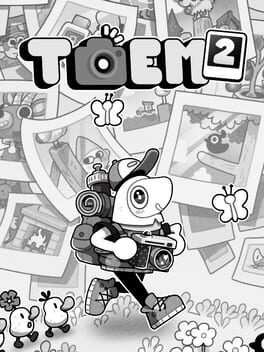
Image: IGDB
Store links: Toem 2 on Steam
A sequel built from small upgrades, not a hard reset
TOEM 2’s clearest change is mechanical: Something We Made has expanded its camera-first adventure with a focus lens, area-specific camera tools, 3D-modelled spaces, jumping, climbing, and light platforming. Multiple reviews published on September 28, 2026, including Siliconera, Kotaku, Polygon, GameGrin, and GamingTrend, describe a sequel that keeps the original game’s stamp-collecting road-trip structure while making its spaces more vertical and interactive.
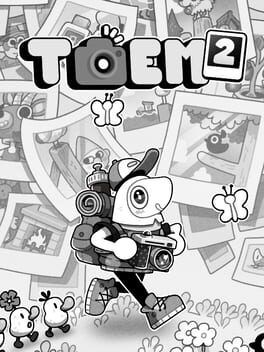
That creates the central tension of this TOEM 2 review. This is still a black-and-white photo adventure about wandering into compact towns, talking to odd locals, photographing creatures and sights, and earning stamps to ride onward. The sequel meaningfully improves the act of looking around, especially when the camera can trigger, cut, twist, hammer, or reveal things in the environment. It does not radically reframe what TOEM is. For returning players, the question is whether a warmer, denser, more tactile version of the same idea is enough.
For me, the answer is yes, with an asterisk. TOEM 2 is at its best when it trusts the player’s curiosity and turns observation into a gentle kind of problem solving. Its weakest moments come when the sequel feels too comfortable following the first game’s route map. It is a strong follow-up for players who wanted another cozy photography trip, but it is less convincing as a dramatic leap forward.
TOEM 2 gameplay makes the camera feel like a tool kit
The premise, as described across the supplied reviews, sends the protagonist out from Homelanda toward the Whirlhill Festival to capture a new Toem, this time connected to the blooming of the Whirling Birch. Siliconera reports that progress still depends on helping people in each stop, usually by taking requested photos and earning enough stamps to move along the bus route. LadiesGamers lists the release date as September 29, 2026, with the game available on Steam for Windows, macOS, and Linux, and also on PlayStation 5 and Nintendo Switch. TheXboxHub’s review placement supports an Xbox version as well, though the supplied platform listing is clearest on PC, PS5, and Switch.
The important upgrade is that the camera now does more than capture evidence. Siliconera describes an early focus mechanic that can turn paper into an airplane, and later interactions where the camera can “bonk” objects or twist screws. Polygon cites camera-assisted repairs, including hammering loose nails and turning screws to fix pipes. GameGrin and LadiesGamers also mention tools attached to the camera, including shears for vines and apples, a wrench-like tool for bolts, and other area-specific functions.
Those changes strengthen TOEM 2 gameplay because they keep interaction tied to the lens. The sequel does not abandon photography for a separate inventory puzzle system. Instead, it asks you to pull up the camera, inspect the world, and understand what kind of action the scene is inviting. The best camera puzzles sound small on paper, but they matter because they make the act of framing an image feel active. You are still collecting moments, yet you are also nudging the world into the shape that moment needs.
Exploration is stronger because the levels have height, texture, and friction
The first TOEM worked because its diorama-like spaces rewarded patient looking. TOEM 2 appears to push that strength further through more vertical design. Kotaku reports that the sequel’s levels have a more 3D style, are more vertical, and support jumping and climbing. GameGrin also notes the new ability to jump and describes light platforming challenges, while Siliconera says the shift to 3D models, camera interactions, and small platforming elements encourages checking places from different angles.
That sounds like the right kind of expansion for a photo adventure. Photography games live and die on sightlines. A flat checklist of subjects can become busywork, but a town with ledges, stairs, hidden angles, and little vertical routes turns searching into play. GamingTrend says each of the game’s five regions has its own sense of style and is efficiently designed for finding objectives and cosmetics, while Polygon identifies three major new locations in its review excerpt: Cropten, Taletorp, and Deltburg. Other reviews describe Cropten as farm-themed, Taletorp as medieval or tabletop-inspired, and Deltburg as a city space with an aquarium focal point.
The sequel’s world also seems better stocked. Console Creatures says the areas improve on TOEM in almost every way and recommends completing each area before moving on because the creatures and requests are worth searching for. That recommendation matters for buyer guidance: this is not a game that gains much from rushing. The stronger TOEM 2 photo adventure is the one where you clear a town because you want to see every creature, outfit, sight, and joke before the bus leaves.
Memory collecting works when it feels like friendship instead of checklist labor
TOEM 2 keeps the stamp-book rhythm that defined the original. You talk to someone, learn what they need, take a photo or solve a camera-assisted task, then receive a stamp. Console Creatures notes that only a certain number of puzzles are required to secure a bus ticket to the next location, but says it is easy and worthwhile to complete everything because the areas do not take long. Polygon and Kotaku both describe the familiar loop of collecting stamps by helping townsfolk, while GameGrin adds that each location includes a main quest centered on helping a specific character and building a friendship.
That structure could have become stale. Fetch-style requests are rarely exciting by themselves, and Console Creatures acknowledges many quests involve finding items or photographing something specific. The reason TOEM 2’s memory collecting still lands, according to the review consensus, is density and tone. LadiesGamers describes each area as having side quests, creatures to photograph, sights to see, friends to make, and people to chat with. Kotaku highlights tiny incidental animations and character reactions, including characters smiling, becoming shy, or otherwise responding when the camera is pointed at them.
The collectible design sounds improved because the sequel gives players more ways to notice. A compendium of creatures, costumes, sights, stamps, and local tasks can feel like a spreadsheet in the wrong game. In TOEM 2, the better version is a scrapbook. When the reward is a stamp, a creature photo, a costume, or a new friend, the collection loop reinforces the fiction of a road trip built from kindness. That is the rare collectathon mood where completion can feel relaxing rather than extractive.
The new look is charming, but the visual shift has tradeoffs
TOEM 2 remains monochrome, but the supplied reviews describe a visual shift from the original’s more consistent hand-drawn or isometric feel toward 3D-rendered environments with 2D characters and critters. GameGrin says the sequel departs from the previous hand-drawn look into a more 3D-rendered aesthetic, while still keeping 2D hand-drawn characters. Siliconera similarly notes 3D models in the world with 2D characters and critters, and says the contrast can occasionally feel off in photos.
That is the most interesting craft risk in TOEM 2. A photography game turns every composition into a test of art direction. If the world and subjects do not sit together cleanly, the camera exposes it. Siliconera’s nostalgia for the original game’s consistency is a fair warning for returning players who loved TOEM’s flatter storybook look. GameGrin says the contrast was initially jarring but ultimately worked, preserving the series’ identity while letting the towns carry more dimensional detail.
Audio appears to be a quieter strength. GamingTrend praises the soundtrack by returning composers Launchable Socks and Jamal Green, calling out zone-specific, whimsical music. LadiesGamers also notes Launchable Socks’ return and praises the music. GameGrin adds that sound design uses silence and sound effectively, with some puzzles and secrets relying on careful listening. For a short, gentle game, that kind of audio support matters. It helps each stop feel like a place rather than a themed puzzle board.
Length, platforms, and the Switch question
TOEM 2 is short by design. Polygon describes it as a four-hour adventure. GamingTrend says it took five hours to 100% its photo journal. LadiesGamers, Siliconera, and TheXboxHub all characterize the game as concise or short, while emphasizing density. The practical takeaway is simple: this is a few-evenings game for most players, and likely a single-sitting completion for focused collectors.
That length cuts both ways. Siliconera frames the compact runtime as a virtue, saying Something We Made accomplishes its goals in a few hours while creating an experience that feels rich. GamingTrend is more reserved, calling the sequel a refined casual adventure but saying it was hard to shake the feeling of retreading old ground. TheXboxHub’s supplied social text says TOEM 2 feels disappointingly short while also being dense with delightful characters, quests, and critters. Those positions are not really in conflict. They describe the same buyer decision from different angles: if you wanted TOEM with richer exploration, the brevity will probably feel tidy; if you wanted a sequel with major surprises, the brevity may sharpen the sense of familiarity.
For readers searching for a TOEM 2 Switch review, the provided sources confirm a Nintendo Switch version through LadiesGamers’ platform listing, but they do not provide a Switch-specific technical breakdown. LadiesGamers reports that TOEM 2 runs well in its reviewed build after an earlier save-file issue had apparently been addressed by a small update, but that statement should not be treated as a full Switch performance test. The format seems naturally suited to handheld play because of its short quests and compact areas, yet buyers who are especially sensitive to frame rate, loading, or image clarity on Switch should wait for platform-specific analysis if those details are decisive.
Verdict: familiar, fuller, and still worth photographing
TOEM 2 meaningfully expands the photo adventure formula, but it does so through texture rather than transformation. The stronger exploration comes from vertical spaces, jumping, climbing, and denser region design. The better memory collecting comes from area-specific camera tools, more interactive objectives, creature photography, costumes, sights, and quests that make completion feel like lingering with a friendly town. The charm survives because Something We Made still understands the joy of small observations.
The limitation is that the sequel remains very close to the first game’s structure. Kotaku calls it an extension that could snap together with TOEM with little friction, and GamingTrend’s criticism of retreading old ground is the sharpest caution in the supplied reviews. That familiarity is not fatal, but it shapes who should buy in early. Newcomers can start here without needing deep series knowledge, according to LadiesGamers, while returning players should expect refinement, added interactivity, and better exploration rather than a reinvention.
GameLoop’s score lands at 8.3 because TOEM 2 appears to be a carefully polished sequel with meaningful mechanical additions, a lovely collectible loop, strong audio, and a few visual and structural reservations. It is a small game that knows exactly how long to stay, even if some players will wish it had taken a bolder detour before the final photo.
Final Verdict
A solid gaming experience that delivers on its promises and provides hours of entertainment.