
Review

By Night Owl
The Coma 3: Bloodlines Review
The Coma series has always occupied a strange but compelling space in horror gaming. It mixes side-scrolling exploration with relentless chase sequences, Korean urban legends, and the suffocating anxiety of being trapped in a nightmare version of reality. Earlier entries had atmosphere in abundance, but they also struggled with repetition and pacing. The Coma 3: Bloodlines feels like the moment the series finally understands exactly what it wants to be.
Dvora Studio approaches this sequel with far more confidence. Instead of relying purely on familiar run-and-hide horror setups, Bloodlines expands its storytelling structure, refines the survival mechanics, and creates a much stronger narrative flow. The result is a game that still embraces the franchise’s signature tension while avoiding many of the frustrations that held previous installments back.
What immediately stands out is the shift toward multiple protagonists. Earlier games focused heavily on isolated survival, often locking players into a single perspective for long stretches. Bloodlines broadens the scope dramatically by allowing different characters to share the burden of navigating the grotesque mirror world known as the Coma. This change does more than simply vary dialogue or locations. It transforms the emotional pacing of the game.
Different protagonists bring distinct personalities, fears, and motivations into the story, which helps the narrative feel less static than before. Character switching keeps the mystery moving forward because each perspective reveals new details about the nightmare consuming Sehwa District. Instead of endlessly wandering corridors waiting for the next scripted chase, Bloodlines constantly feeds players fresh information and evolving objectives.
The pacing improvements are arguably the game’s biggest achievement. Previous Coma titles occasionally became bogged down in backtracking and repetitive item hunts. Bloodlines trims much of that excess. Objectives are cleaner, environments are designed with stronger flow, and story revelations arrive at a more satisfying rhythm.
That does not mean the game abandons slow-burn horror. Quite the opposite. Bloodlines understands that tension works best when players are not exhausted by busywork. Quiet exploration sequences feel meaningful because they are regularly interrupted by genuine danger. The game alternates between investigation, puzzle solving, stealth, and escape in a way that keeps momentum alive throughout the campaign.
The survival horror mechanics have also evolved in noticeable ways. Chases are more dynamic and less scripted than in previous entries. Enemies patrol spaces with greater unpredictability, forcing players to think carefully about movement and resource management. Hiding remains essential, but Bloodlines avoids turning stealth into a tedious waiting game.
There is a stronger sense of vulnerability this time around because the environments themselves feel more hostile. Lighting, sound design, and environmental hazards constantly pressure the player. Doors creak open into impossible spaces, distorted figures twitch in the background, and sudden audio cues create a persistent sense of dread without relying too heavily on cheap jump scares.
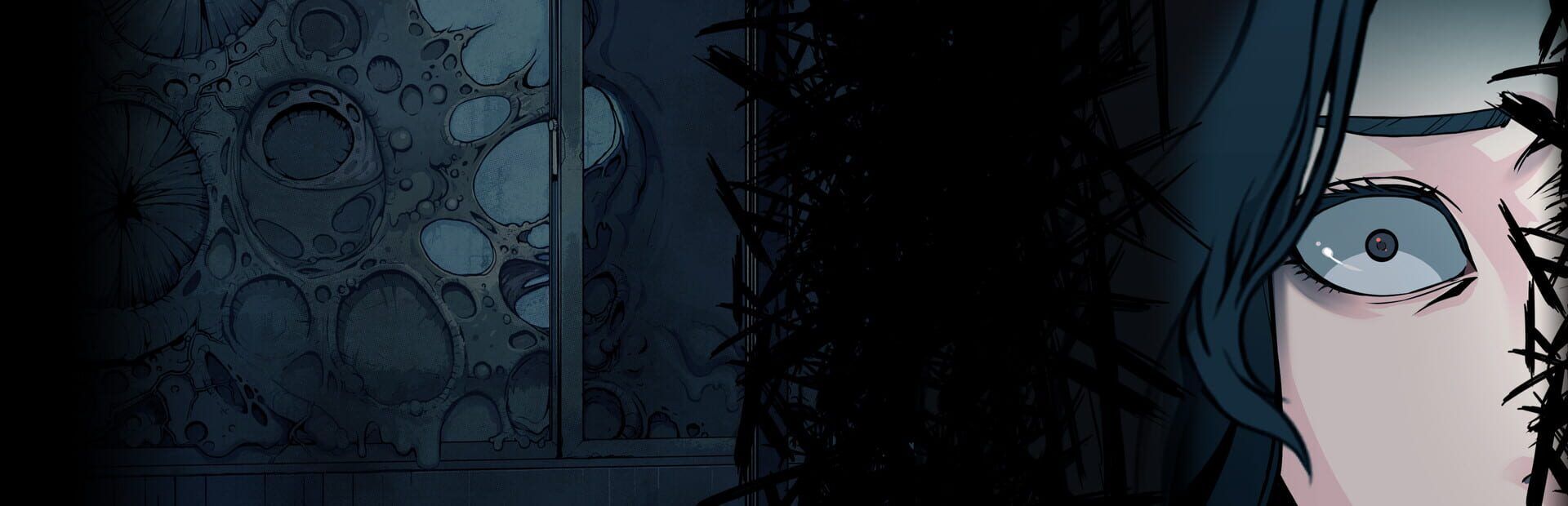
The 2D art direction remains one of the series’ greatest strengths. Bloodlines looks fantastic in motion, combining detailed hand-drawn environments with grotesque horror imagery that feels deeply rooted in Korean ghost stories and psychological horror traditions. The contrast between ordinary school and city environments and the corrupted nightmare realm is especially effective.
Some of the creature design is genuinely unsettling. The enemies are not simply monsters placed for shock value. They often reflect trauma, obsession, or emotional decay, giving the horror a disturbing thematic consistency. That attention to visual storytelling elevates the game far beyond a standard indie chase horror experience.
The audio work deserves similar praise. The soundtrack leans into uneasy ambient textures rather than bombastic horror stingers, while enemy sound cues become crucial survival tools. You often hear danger before seeing it, which creates several excellent moments of panic when footsteps or distorted breathing suddenly emerge from nearby darkness.
Bloodlines is not completely flawless. Certain puzzles still rely on trial-and-error logic, and there are moments where stealth systems can feel slightly rigid during crowded encounters. Some players may also find the dialogue uneven in places, especially during exposition-heavy scenes.
Even with those issues, the sequel represents a substantial leap forward for the franchise. It feels less like a niche cult curiosity and more like a fully realized survival horror experience with a strong identity of its own.
What makes The Coma 3: Bloodlines so effective is that it never loses sight of what made the series memorable in the first place. The suffocating atmosphere, the desperation of hiding from unstoppable threats, and the surreal nightmare imagery are all intact. The difference is that the surrounding systems now support those strengths instead of getting in their way.
For longtime fans, Bloodlines feels like the payoff the series has been building toward. For newcomers, it is easily the best entry point. The expanded cast, improved pacing, and refined mechanics create a horror experience that feels tense, stylish, and consistently engaging from beginning to end.
The Coma series has finally evolved from an interesting indie horror experiment into something genuinely memorable. Bloodlines proves that survival horror does not need massive budgets or photorealistic graphics to create fear. It just needs strong atmosphere, intelligent pacing, and the confidence to let dread linger in the player’s mind long after the screen goes dark.
Final Verdict
A solid gaming experience that delivers on its promises and provides hours of entertainment.