
Review

By Pixel Perfect
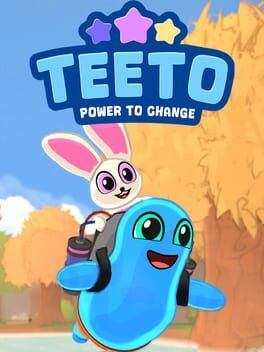
Image: IGDB
Store links: Teeto on Steam
A cheerful collectathon with one important caveat
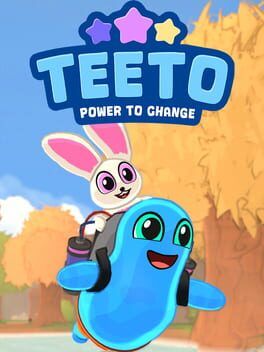
Teeto arrives with a buyer-friendly setup for curious platforming fans: according to LadiesGamers, Eat Pant Games' 3D collectathon launched on July 15, 2026 for Steam on Windows, with Nintendo Switch and PlayStation also listed, at US $17.99, UK £14.39, and EU €17,99. The same outlet lists controller support and Steam Deck Verified status, while the Steam page supplied for this assignment shows a 20% discount. That makes Teeto easy to recommend as a low-risk browse for anyone hungry for a colorful indie platformer, but the sources are also consistent about the catch. Its best ideas are wrapped around old-school 3D platforming, and old-school 3D platforming still lives or dies by camera, jump feel, and repetition. The strongest reports describe Teeto as adorable, funny, varied, and generous with collectibles. The more critical reports point to floaty controls, occasional camera obstruction, and transformation rules that can force replaying levels for missed pickups. This Teeto review lands in the middle of that tension: the charm is real, the craft is often lovely, and the accessibility choices are welcome, but completionists who demand precise, frictionless movement should go in with measured expectations.
Movement feel: bouncy, approachable, sometimes imprecise
The basic kit is familiar in the way 3D platformer fans will recognize immediately. Qualbert describes Teeto as built around jumping across obstacles, simplified combat, sliding sections, collecting, and revisiting levels from a world hub. Phenixx Gaming adds that Teeto can ground pound, glide, double jump, and use transformations through Nory's backpack. LadiesGamers is the most positive on the feel, calling the jumping responsive and the glide forgiving thanks to Nory's parachute, with abilities introduced gradually enough that the game does not overwhelm. That accessibility-first rhythm matters. Teeto seems aimed less at speedrun precision and more at exploration comfort, discovery, and light puzzle solving. The criticism is also worth taking seriously. Phenixx Gaming says the controls feel floaty and that the platforming can feel strange, possibly because of the camera, the floatiness, or both. Video Chums reports occasional clunkiness, including moments where the camera obscures the action or a jump fails despite being aimed correctly. For a Teeto game review, that is the main mechanical split. If you like 3D platformers because of momentum, expressive movement, and clean spatial reads, Teeto may frustrate you in bursts. If you like them because they invite you to poke around cheerful spaces, chase collectibles, and laugh at oddball NPCs, the movement appears friendly enough to carry the adventure.
Transformations give Teeto its identity
Teeto's defining mechanic is absorbing objects and borrowing their traits. Video Chums cites examples including a flower form used to swing from nodes and an electricity form used to power things. LadiesGamers expands that list with water for extinguishing flames, fire for melting ice, and a sofa transformation that exists as much for the joke as the utility. Loot Level Chill mentions flower grappling, rock smashing, elemental powers, magnets, cardboard, and a comfy chair form that spits out cushions. The appeal is partly mechanical and partly theatrical. LadiesGamers notes that Teeto physically transforms into the absorbed object, with individual appearances and animations, and that Nory reacts to those forms, sitting on a sofa or riding inside a bucket. That kind of tiny animation work is where small platformers often win affection. The tradeoff is structure. Phenixx Gaming criticizes the one-transformation-at-a-time limit, saying that if you drop an ability and later discover you needed it for a collectible, you may have to replay the level. That is a meaningful completionist complaint. The system sounds best when it asks, what can this silly object do in this space? It sounds weakest when it becomes inventory second-guessing. Even so, across the supplied reviews, transformations are the mechanic most often singled out as Teeto's own contribution to the 3D platformer template.
Level variety is the game's strongest sales pitch
The supplied reviews agree that Teeto has range. Video Chums describes large, elaborate stages with optional tasks for gems, puzzle solving, platforming challenges, and activities as specific as building sandcastles with water and shovel-and-bucket transformations or sneaking around a giant tree. Loot Level Chill says the game begins with familiar beaches and forests before moving into places such as a regular house and a supermarket. Qualbert reports four acts, a hub structure, replayable levels, and act-ending boss battles. That variety gives Teeto an important advantage over many nostalgia-driven collectathons: it does not sound trapped in one biome mood for long. The collectible structure also seems clear. Sources identify Vionites as progression-critical, Michaels or Baby Michaels as rescued creatures hidden in stages, and stars or gems as currencies tied to unlocks such as costumes. Qualbert praises the many named Michaels, while Video Chums calls them a highlight and says rescued Baby Michaels populate an island in the hub. Loot Level Chill adds that stars are abundant outfit currency, Vionites often come from objectives such as shooting flags or opening chests, and Michaels are worth chasing because of their cuteness. That gives exploration a layered purpose: progress, completion, customization, and pure gag collecting. The puzzle design gets a more mixed read. Phenixx Gaming says NPCs are colorful and fun but the puzzles are not very interesting. Video Chums also mentions occasional head-scratching side missions, including a stealth task that was unclear to the reviewer. The stages seem lively, then, but not always elegant.
Accessibility softens the rough spots without erasing them
Teeto's most practical accessibility details are unusually relevant because several sources mention frustrating spikes. Video Chums says some bosses can be incredibly tough compared with the otherwise laidback play, but also reports that invulnerability can be toggled whenever the player wishes. Loot Level Chill says a button can point an arrow toward the nearest collectible, leaving the player to solve how to reach it. Those two features address different kinds of friction. Invulnerability helps players who want the adventure, humor, and exploration without being blocked by a difficulty wall. The collectible arrow helps reduce the classic collectathon problem of wandering a level after the fun has drained out of the search. Neither feature fixes a camera that blocks a jump or a transformation dropped too early, and players who want a stricter old-school experience may choose not to lean on them. Still, their inclusion changes the recommendation. Teeto is likely a better fit for families, younger players, and cozy-platformer fans than its occasional hard bosses might suggest. It also gives completionists a tool for cleanup, provided they are comfortable with guidance rather than pure environmental deduction.
Presentation carries a lot of the load
Every positive reading of Teeto comes back to tone. Video Chums calls out delightful sights, funny dialogue scenes, expressive facial animations, lovely music, and Nory's adorable voice. Phenixx Gaming, despite being the most reserved source in the supplied set, praises the visuals, music, and especially the voice acting, saying it matches the game's style. LadiesGamers focuses on personality in animation, especially how Nory reacts to Teeto's forms. Loot Level Chill describes a world where humanity has vanished, inanimate objects have come to life with Aussie accents, and a smart bunny creates Teeto to fight shadow creatures. The story itself appears light. Qualbert describes it as straightforward, with Teeto and Nory collecting Vionites and Michaels while taking down shadow creatures. LadiesGamers frames it around vanished humanity, corruption, rescued Michaels, and restoring balance. This is not a narrative-first platformer based on the supplied material. Its story works as a reason to travel through bright spaces, meet eccentric characters, and watch a blue blob become increasingly ridiculous objects. That is enough because Teeto's appeal is character texture rather than plot density. For players browsing an indie platformer review to find a game with personality, this is where Teeto makes its strongest case.
Score rationale and buying advice
Teeto earns its recommendation by understanding the warmest parts of the 3D collectathon: readable goals, playful collectibles, themed levels, silly NPCs, costumes, hub rewards, and a mechanic that makes each area feel like a toy box. It loses points for the same reasons several sources flag: floaty or occasionally odd movement feel, camera trouble, uneven boss difficulty, and transformation limitations that can make 100% cleanup less graceful than it should be. The current Steam discount cited by the supplied Steam listing, combined with the price and Steam Deck Verified status reported by LadiesGamers, makes it easier to suggest for genre fans who know they value charm over precision. If your platformer taste runs toward tightly tuned jumps and deep challenge, wait for more player feedback on your platform of choice. If you miss cheerful 3D collectathons and want a colorful game built around object transformations, Baby Michaels, and gentle discovery, Teeto has enough charm to stand out.
Final Verdict
A solid gaming experience that delivers on its promises and provides hours of entertainment.