
Review

By Headshot
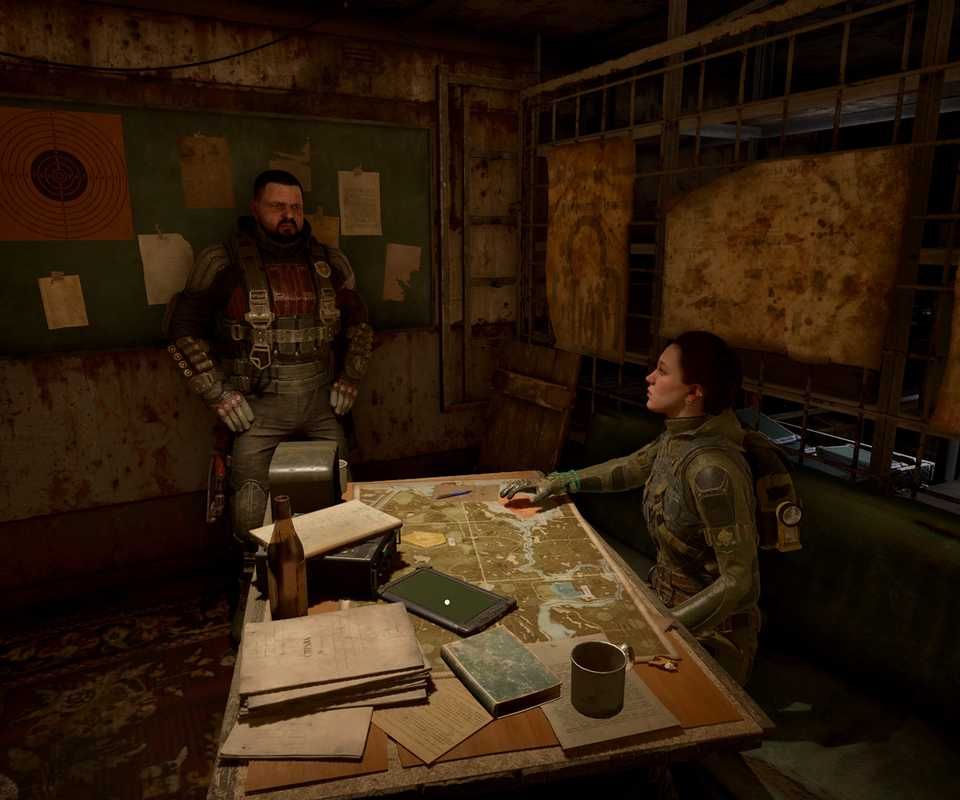
Image: dualshockers.com
Cost of Hope brings back the faction conflict STALKER 2 left too quiet
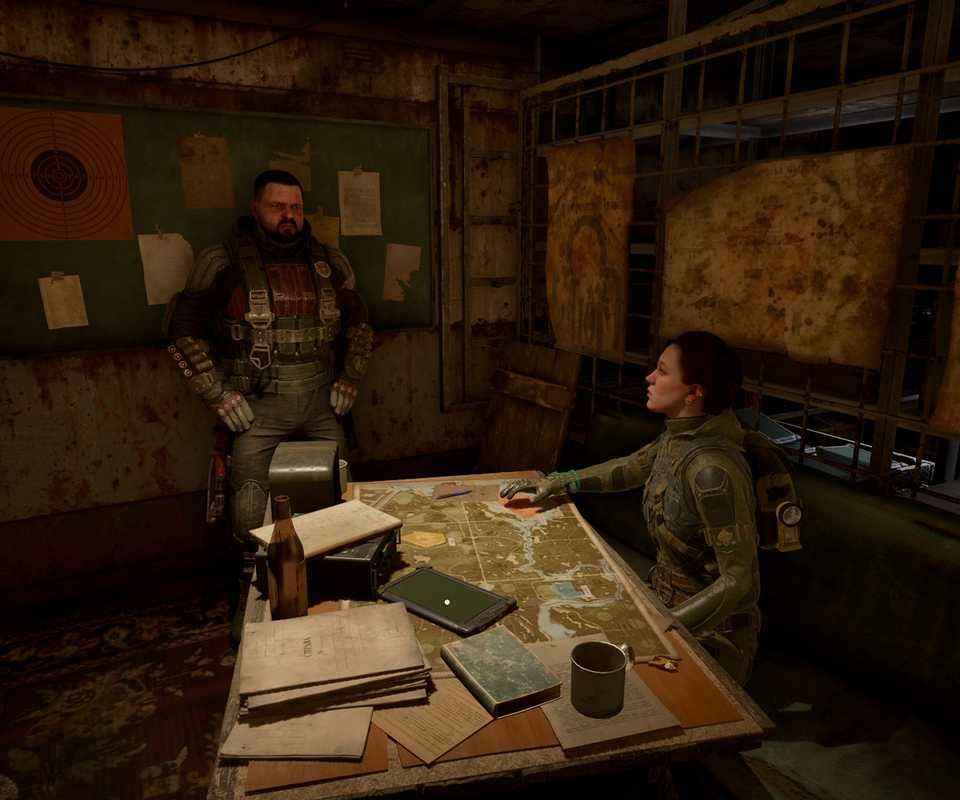
The strongest concrete change in S.T.A.L.K.E.R. 2: Cost of Hope is that GSC Game World puts Duty and Freedom back at the center of the Zone. The S.T.A.L.K.E.R. Wiki describes Cost of Hope as the first DLC story addition for Heart of Chornobyl, with Skif navigating a reignited conflict between the two factions during the base game’s story, specifically between the missions “Answers Come at a Price” and “Down Below.”
That timing matters for returning players. This is not framed by the available sources as a post-game epilogue or a separate side campaign that sits outside the main run. DayOne reports that the expansion starts roughly a quarter of the way through the campaign and finishes around three quarters in, while also noting that players who only want the DLC can use an Advance Start option after making a major campaign decision. For anyone returning after a long break, that is practical. For anyone starting fresh, it means Cost of Hope is woven into the campaign’s mid-game pressure instead of being treated like a detached tourist zone.
The tension is that the DLC is trying to fix one of Heart of Chornobyl’s most obvious absences. DualShockers points out that, at launch, Duty and Freedom’s ideological war was nearly nonexistent compared with earlier S.T.A.L.K.E.R. games, with Freedom largely at Rostok and Duty secluded enough at the Cement Factory that players could miss them. Rock Paper Shotgun makes the same broader point, saying the base game sidelined those older faction staples in favor of newer factions. Cost of Hope is therefore carrying extra weight. It has to be a good shooter expansion, a satisfying exploration pack, and a course correction for series fans who wanted the Zone’s old political hostility to bite harder.
The new map spaces are the DLC’s main reason to come back
Across the available reviews, the strongest praise lands on the spaces themselves. GamingBolt says Cost of Hope is built around new zones rather than a simple questline, describing it as a non-linear expansion that gives players a new playground with its own exploration and combat challenges. Rock Paper Shotgun similarly highlights the added regions as “fine pieces of world design work,” regardless of whether players recognize the older series references.
The Iron Forest is the immediate draw. Rock Paper Shotgun describes it as an expansion of an isolated anomaly from a previous game into a hostile, ghostly stretch of twisted metal and electrical hazards, with thicker fog and lingering radio signals carrying the dead’s final words. DualShockers also calls out the area’s fog effects, saying they make the Iron Forest genuinely haunting to navigate, especially at night. That is exactly where Cost of Hope appears to hit the base game’s best lane: dangerous ground, poor visibility, strange audio, and the constant sense that a fight can go wrong before the first shot lands.
The Chornobyl Nuclear Power Plant also returns as a major location. Rock Paper Shotgun says the expansion takes players through the sarcophagus and the remains of reactor number four, and describes the surrounding area as worth exploring for its industrial scale and silence. DayOne confirms that the DLC opens previously inaccessible parts of the Zone centered around the Iron Forest and the Chornobyl Nuclear Power Plant. For a STALKER 2 Cost of Hope gameplay assessment, that matters more than nostalgia. These are spaces built to test navigation, patience, and nerves, not corridors built only to deliver cutscenes.
Gunfights benefit from the setting, but the pacing is uneven early
For players who liked the base game’s firefights and survival pressure, Cost of Hope sounds strongest when it gets you into hostile facilities and forces ugly decisions under limited information. DualShockers says that, aside from occasional travel between story chapters, the expansion eventually focuses on what the series does best: pushing into abandoned or outright hostile facilities and dealing with the consequences. That outlet also reports that the second half of the story takes at least 80 percent of playtime, which suggests the DLC’s better combat rhythm arrives after a slower setup.
That setup is the main warning. DualShockers says the first half involves hearing rumors, walking for long stretches, chasing people and bodies, and running from one end of the Iron Forest to the other enough times to become frustrating. This is a very S.T.A.L.K.E.R. problem. The Zone is at its best when downtime becomes dread, but it can slide into dead air when the route back and forth starts feeling like a commute with anomalies.
The better read is that Cost of Hope does not remake STALKER 2 into a tighter, arena-driven FPS. It leans further into the series’ old bargain: tense movement, sudden contact, hostile terrain, overloaded backpacks, and firefights that punish bad positioning. If your favorite part of Heart of Chornobyl was clean mission pacing and constant shooting, the early stretch may test you. If you liked getting half-lost, hearing something move in the fog, and deciding whether one more artifact run is worth your last bandage, this DLC is speaking your language.
Update 2.0 does heavy lifting for atmosphere and survivability
Cost of Hope launches alongside S.T.A.L.K.E.R. 2’s 2.0 update, and the available reviews repeatedly treat the two as linked. Rock Paper Shotgun frames the DLC alongside major technical and visual improvements from update 2.0. DayOne goes further, saying the expansion is difficult to discuss without the update because 2.0 changes how the game feels.
The reported improvements are significant. DayOne says version 2.0 brings a new lighting system, foliage updates, binoculars, a fog system that can help with cover, new weapons, and performance gains tied to a newer Unreal Engine 5 version. On a PC with an RTX 5080 and Ryzen 5800X, DayOne reports 80 to 100 FPS at max settings in 4K with DLSS set to Quality, while only encountering visual glitches during 15 hours with the expansion. That is one high-end PC configuration, not a universal benchmark, but it is a useful signal that the current build is in better shape than the launch version that outlet described as beautiful, buggy, and occasionally broken.
A-Life is the other big piece. DayOne reports a massive improvement to the AI system, saying enemies no longer pop into existence and that the open world felt more natural across the 15-hour playthrough. Insider Gaming also lists AI improvements, weather enhancements, binoculars, new weapons, and quality-of-life updates among the additions connected to 2.0 and Cost of Hope. For a survival shooter, those changes affect more than comfort. If enemies spawn more believably, weather cuts sightlines, and binoculars give you scouting tools, the gunfights become less about surprise jank and more about reading the ground before the Zone reads you first.
The Duty and Freedom story has weight, but reviews disagree on its payoff
Cost of Hope’s central premise is the old ideological split between Duty and Freedom. The S.T.A.L.K.E.R. Wiki’s listed description says the fragile peace between bitter rivals is shattered and asks players to pick a side in a web of intrigue and half-truths where no choice is clean. GamingBolt says the expansion carries an undercurrent of war around Duty and Freedom and ties into choices players may have made. DayOne reports that the story includes one major decision leading to two DLC endings. Insider Gaming says it completed both endings across roughly 15 hours and still had more left to do.
That structure sounds promising for replay value, especially in a series where faction identity has always shaped how players read the Zone. The conflict is also a smart target for this first expansion because it addresses a base-game gap identified by DualShockers and Rock Paper Shotgun. Cost of Hope is not simply adding another threat. It is restoring a debate over whether the Zone should be studied, protected, controlled, or destroyed.
The caveat is that the faction war may not fully land. Rock Paper Shotgun’s review headline praises the expanded Zone but says the faction war “fizzles,” which stands in contrast to Insider Gaming’s much more enthusiastic read of the story as haunting, emotional, and twisting. That split is worth taking seriously. The common ground is clear: the locations work, the atmosphere works, and the premise is strong. The disagreement is whether the narrative consequences match the setup. If you are buying Cost of Hope mainly for Duty versus Freedom role-playing, expect meaningful choices and endings, but do not expect every reviewer to agree that the war itself pays off as hard as the map does.
Audio, voice work, and difficulty still come with tradeoffs
Atmosphere remains one of Cost of Hope’s safest bets. Rock Paper Shotgun’s description of fog, dead radio signals, industrial silence, and the CNPP’s scale points to a DLC that understands how to make the Zone feel hostile before enemies appear. For players who came to Heart of Chornobyl for mood, loneliness, and that awful calm before a firefight, this is the area where the expansion appears most confident.
Voice work is less settled. DayOne says the English voice acting still rarely sounds natural, recommending the native voice track with subtitles for immersion. That recommendation comes with a real FPS cost: reading subtitles during combat can pull your eyes off the fight, and in S.T.A.L.K.E.R. 2 that can get you killed. DayOne played on normal “S.T.A.L.K.E.R.” difficulty and reported nearly 50 deaths, mostly from platforming, which also suggests the expansion retains some rough edges in how it asks players to move through dangerous spaces.
That tradeoff is familiar, but it affects buying advice. Cost of Hope appears better suited to players who tolerate friction when the atmosphere and stakes are strong. It is less suited to players who bounced off Heart of Chornobyl because of harsh deaths, uneven traversal, or the way the series sometimes lets confusion linger longer than a cleaner modern shooter would.
Verdict: worth it for Zone loyalists, with one pricing caveat
Based on the available review material, Cost of Hope justifies a return for players who liked Heart of Chornobyl’s gunfights, survival pressure, and atmosphere. The strongest evidence is consistent across outlets: the Iron Forest and CNPP are substantial additions, update 2.0 improves the broader game around the DLC, and the return of Duty versus Freedom gives the expansion a sharper identity than a generic side story.
The price question is harder because the supplied source material does not include an official price, store listing, or upgrade path. That means the safest buyer guidance is conditional. If you already own S.T.A.L.K.E.R. 2 and want more dangerous exploration with improved visuals, AI behavior, fog, new weapons, and faction-driven decisions, this S.T.A.L.K.E.R. 2 DLC review lands on a recommendation. If you are only interested in a polished, constantly paced shooter campaign, wait for a sale or more player reports, especially because DualShockers flags early pacing frustration and Rock Paper Shotgun is cooler on the faction-war payoff.
For the core audience, though, Cost of Hope looks like the right kind of expansion: bigger spaces, uglier firefights, better environmental pressure, and a Zone that feels more alive after 2.0. It does not erase every rough edge, but it gives returning stalkers a strong reason to shoulder a rifle, pack too much ammo, and walk back into the fog.
Final Verdict
A solid gaming experience that delivers on its promises and provides hours of entertainment.