
Review

By Night Owl
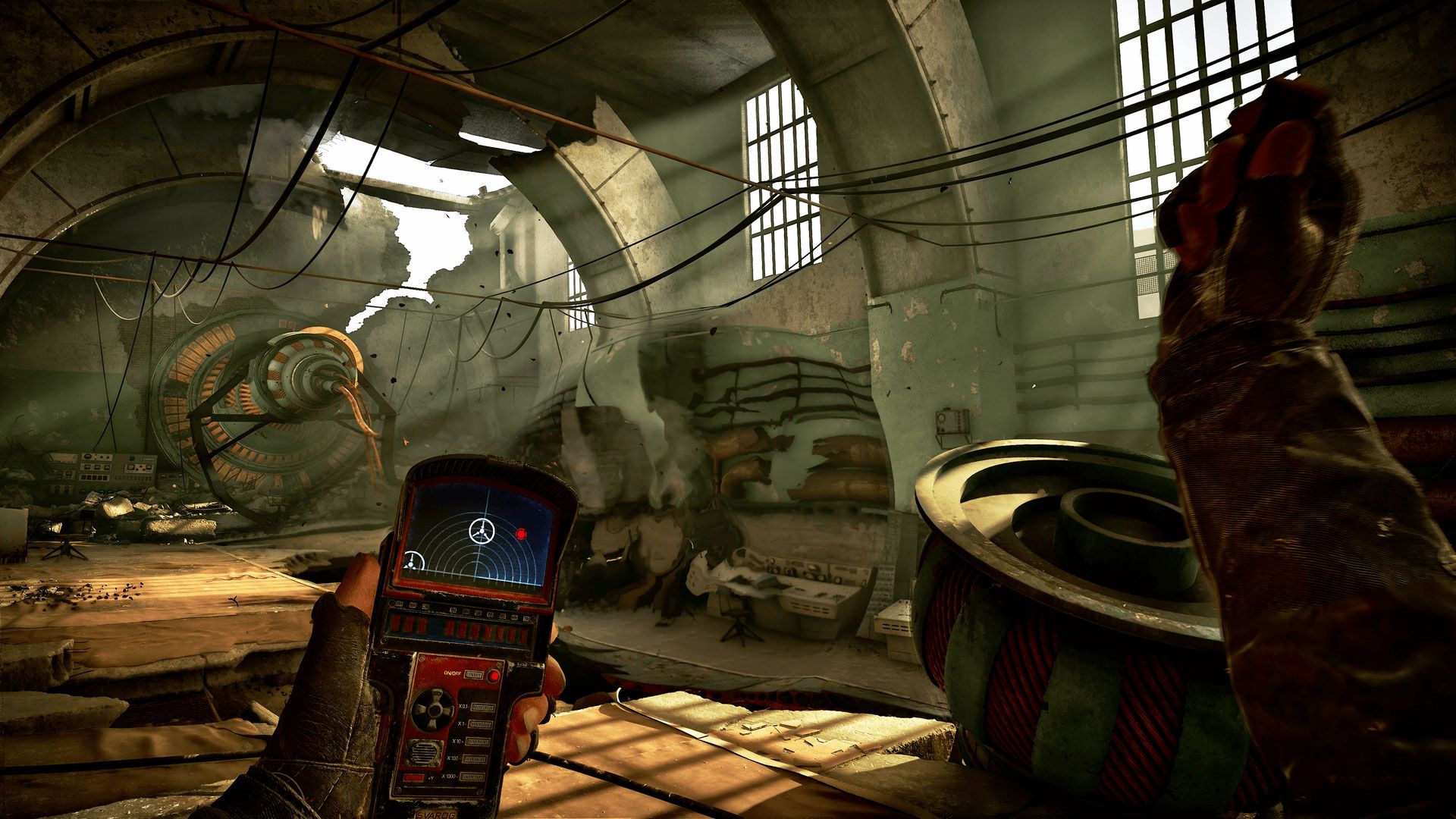
Image: news.xbox.com
A paid return lands beside the fix players were waiting for
S.T.A.L.K.E.R. 2: Cost of Hope arrives alongside the major 2.0 update, and that pairing defines the whole review. Rock Paper Shotgun describes the expansion as launching with the same spirit as the game’s technical overhaul, a return meant to correct omissions from Heart of Chornobyl’s 2024 release. The concrete draw is clear: Cost of Hope opens the Chornobyl Nuclear Power Plant area, brings the Iron Forest back into play, and puts the long-running Duty and Freedom rivalry near the center of the story again.
That creates a useful tension for anyone reading a STALKER 2 Cost of Hope review before buying. Some of the most important improvements are tied to the free 2.0 update rather than the DLC itself. PlayDay reports new lighting, foliage updates, fog systems, binoculars, new weapons, and a much-improved A-Life simulation in version 2.0, while Insider Gaming also cites AI improvements, weather enhancements, quality-of-life changes, and new gear around the same release window. Cost of Hope benefits from all of that, but its value depends on whether the new zones and missions give survival horror shooter fans enough pressure, dread, and consequence to justify coming back to the Zone.
On that count, the answer is mostly yes. Cost of Hope is strongest when it uses the Zone as a hostile place rather than a checklist. It is weaker when its faction war promises more ideological heat than its mission flow consistently delivers. For players who wanted STALKER 2 to feel stranger, colder, and closer to the old series’ haunted geography, this is a worthwhile STALKER 2 expansion. For players waiting for a perfectly polished faction epic, the cost is easier to question.
The Iron Forest is the main reason to return
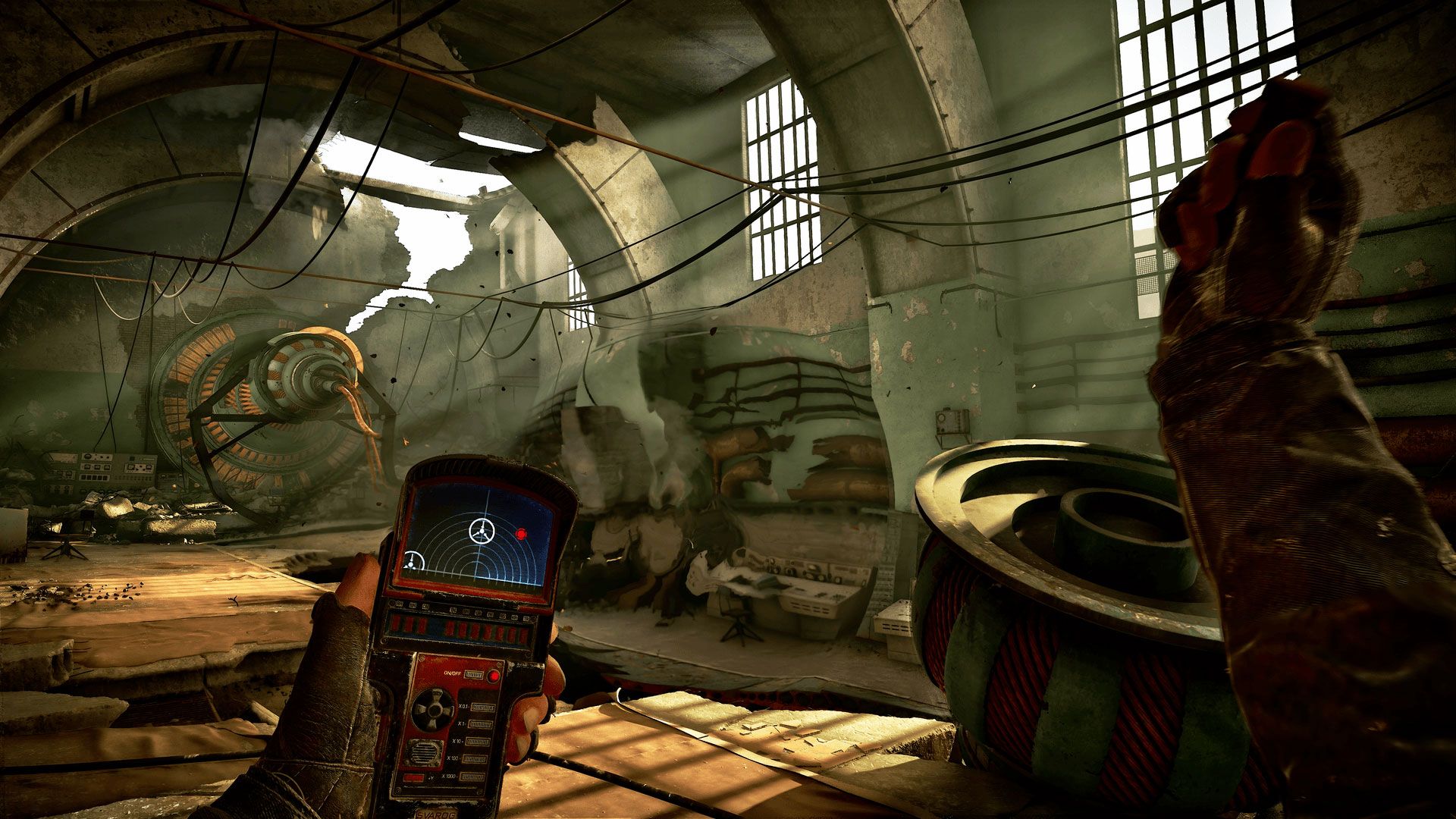
Cost of Hope’s most convincing work is environmental horror. Rock Paper Shotgun calls the new Iron Forest a broader, harsher version of a location from an earlier game, built from twisted metal, electrical hazards, heavy fog, and lingering radio signals carrying the dead’s final words. That is exactly the kind of design S.T.A.L.K.E.R. does best: the world feels contaminated before anything attacks you.
GamingBolt reports that the expansion’s new zones are the core of GSC Game World’s design here, with places such as the Iron Forest and the Chornobyl Nuclear Power Plant reimagined through S.T.A.L.K.E.R. 2’s modern systems. Radio Times highlights the Iron Forest’s architecture becoming more distorted the closer the player gets to the Chornobyl NPP, with substations, electrical arrays, Snorks, and underground labs giving the area both combat and horror texture.
As a survival horror shooter, Cost of Hope succeeds because the best routes feel unsafe before they feel blocked. Fog is not treated only as decoration. PlayDay specifically notes that the 2.0 fog system can help with cover, which matters in a game where sightlines, noise, and stamina often decide whether a fight becomes profitable or ruinous. The expansion’s mood is not a soft nostalgia tour through old map names. It is a return to spaces that punish curiosity, then reward it with the kind of awful beauty the series has always traded in.
The Chornobyl Nuclear Power Plant also carries weight. Rock Paper Shotgun says Cost of Hope sends players through the sarcophagus and the remains of reactor number four, describing the area as solemn and quieter than neighboring Pripyat. Radio Times similarly frames the NPP as a missing piece restored from the launch version. The result is atmosphere with purpose: long stretches of silence, industrial scale, and a sense that the player is trespassing somewhere the Zone itself has chosen to preserve as a wound.
Mission design favors wandering dread over clean momentum
Cost of Hope is not structured like a compact corridor campaign. GamingBolt describes it as a more non-linear expansion than the usual open-world DLC, with missions and plot breadcrumbs but an emphasis on new explorable spaces that can be approached in flexible order once enough progress has been made. That design suits S.T.A.L.K.E.R. 2’s strengths. A dangerous road, a half-heard rumor, a stash that might cost more ammo than it is worth, and a lab entrance that looks too quiet are often more memorable than a scripted objective marker.
The tradeoff is pacing. DualShockers reports that the first half of the DLC leans into classic STALKER questing: hearing rumors, walking long distances, chasing people and bodies, and piecing together what happened. That outlet says repeated trips across the Iron Forest became frustrating before the expansion’s later chapters improved. PlayDay also notes that coming back after time away can be difficult because the base game’s systems and large map take a while to settle back into, though that outlet found the game clicked again after about an hour.
This is where Cost of Hope will split players. If you want tight mission density and constant authored set pieces, the opening stretch can feel like expensive walking under bad skies. If you play STALKER for attrition, navigation, loot anxiety, and the ugly decision to press onward while overpacked, the slower rhythm is part of the genre contract. DualShockers says the second half, which it estimates as the majority of playtime, leans harder into hostile facilities and the series’ familiar habit of making the player suffer for entering places that should have stayed sealed.
The expansion’s mission design is at its best when objectives force practical survival questions. How many shells can be spared for Snorks? Is that anomaly field worth crossing in poor visibility? Can a firefight be avoided when the backpack is already heavy? Cost of Hope does not reinvent S.T.A.L.K.E.R. 2, but it gives the game stronger places to be itself.
Duty and Freedom return, though the war does not always bite deep enough
The story hook is one of the most fan-facing parts of Cost of Hope. Rock Paper Shotgun and Radio Times both identify Duty and Freedom as central to the expansion, restoring a rivalry that the base game had largely sidelined. DualShockers frames that absence as one of the launch-era complaints around S.T.A.L.K.E.R. 2, noting that Freedom and Duty existed in the base game but their old ideological conflict had little presence compared with previous entries.
Cost of Hope clearly wants to repair that gap. Radio Times points to Zulu and Mavka as central figures, with Duty and Freedom leaders General Voronin and Myklukha involved in a major treaty breakdown after Freedom troops are wiped out. PlayDay says the expansion’s story centers on Duty and Freedom and includes one major decision leading to two DLC endings. Insider Gaming reports completing both endings in about 15 hours while still having more left to do.
The setup is strong because Duty and Freedom are not interchangeable mercenary flags. They argue over what the Zone is and what humanity should do with it. That gives Cost of Hope sharper thematic ground than another mutant cleanup tour. Still, Rock Paper Shotgun’s review headline and opening assessment point to a faction war that fizzles compared with the expansion’s excellent map work. That caveat matters. The DLC restores the old argument, but the available review material suggests the setting outshines the political payoff.
For story-first players, that makes Cost of Hope good rather than essential. The cutscenes and returning figures have weight, according to Radio Times, but the review consensus represented here is warmer on place, pressure, and exploration than on the faction conflict as a complete dramatic engine. The Zone feels expanded. The war feels restored. Those are not equally successful.
Technical state is much healthier, with PC caveats still worth noting
The technical picture is the biggest practical change since S.T.A.L.K.E.R. 2’s rough launch reputation. PlayDay calls the original release beautiful but buggy and says version 2.0 brings the game closer to feeling complete. On a PC with an RTX 5080 and Ryzen 5800X, that outlet reports 80 to 100 frames per second at 4K max settings with DLSS set to Quality, and says the only bugs encountered during 15 hours with the expansion were visual glitches. That is a high-end PC result rather than a universal performance guarantee, but it is a meaningful signal for players who skipped the base game at release.
A-Life is also important. The original S.T.A.L.K.E.R. reputation depends on the feeling that the world exists without the player’s permission. PlayDay reports that enemies no longer pop into existence as before and that the open world felt more active and natural across the expansion. Insider Gaming also cites AI improvements among the 2.0 additions. If those impressions hold across broader hardware and longer saves, Cost of Hope benefits from a Zone that breathes better between missions.
Audio and language remain more complicated. PlayDay says the English voice-over still rarely sounds natural, recommending the native VO with subtitles for immersion. That recommendation comes with a survival cost: reading subtitles during combat can pull the eye away from threats, and in S.T.A.L.K.E.R. 2 that can mean death. For horror players, audio is part of the threat model. Distant gunfire, mutant noise, radio fragments, and faction chatter should help you survive, not make you wrestle the interface. Cost of Hope’s atmosphere appears strong enough to survive that issue, but it is a real friction point for anyone who relies on spoken combat information.
The supplied source material confirms a PC release date of August 20, 2026 via Insider Gaming’s listing. It does not provide a DLC price, full storefront breakdown, or console performance data. Because of that, the safest buyer advice is narrow: PC players with the base game updated to 2.0 have the clearest evidence of improvement. Anyone waiting on platform-specific performance should look for direct tests on their hardware or console before buying.
Value depends on whether you come for exploration or closure
Cost of Hope offers enough substance to be judged as a real expansion rather than a side quest pack. Insider Gaming and PlayDay both describe roughly 15 hours of play, with Insider Gaming saying it completed both endings and still had additional content left. PlayDay reports that players who want to jump into the DLC can use an Advance Start, though they must make a major campaign decision before beginning. It also places the expansion’s events across a broad stretch of the base campaign, starting about a quarter of the way through and finishing roughly three quarters in.
That structure is generous for returning players but awkward for anyone hoping to treat Cost of Hope as a clean standalone horror episode. The expansion is tied to S.T.A.L.K.E.R. 2’s systems, map memory, faction state, and campaign context. If you bounced off the base game because survival friction felt like busywork, Cost of Hope is unlikely to convert you. If you loved the dread but waited for better performance and a denser reason to revisit the Zone, this is the strongest return point described in the available reviews.
As a S.T.A.L.K.E.R. 2 DLC review verdict, Cost of Hope earns its recommendation through atmosphere, level design, and the technical lift around 2.0. It loses some ground on uneven pacing, lingering VO concerns, and a Duty versus Freedom conflict that appears less powerful than the haunted spaces around it. Survival horror fans should come back for the Iron Forest, the NPP, the labs, the fog, and the simple terror of hearing something move when visibility has collapsed. Players buying only for faction closure may want to wait for a sale or broader community consensus.
Cost of Hope does what a strong survival horror shooter expansion should do: it makes familiar ground feel unsafe again. The Zone is bigger, colder, and technically steadier. Hope still costs too much ammunition, but this time the trip is worth packing for.
Final Verdict
A solid gaming experience that delivers on its promises and provides hours of entertainment.