
Review

By Apex
A cult‑classic brawler finally comes home to PC
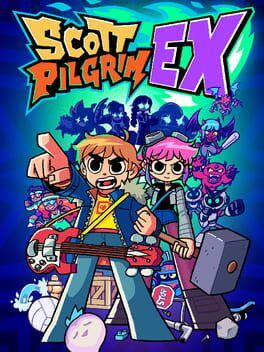
Scott Pilgrim EX arrives on PC carrying a strange sort of reputation. The original 2010 tie‑in beat ’em up was delisted for years and survived mostly as a fond memory from console owners and YouTube clips. EX is not just a straight port of that game, but a new Tribute Games brawler that tries to bottle the same anarchic, panel‑to‑panel energy with sharper mechanics, more flexible structure, and proper online play.
On PC, that pitch mostly lands. This is the best way to play Scott Pilgrim yet, but it is also a reminder of how messy this series can be when difficulty, progression, and netcode lose the beat.
Combat that finally feels as good as it looks
The first Scott Pilgrim’s combat had style for days but often felt stiff unless you were fully powered up. EX immediately feels better in the hands. Inputs are snappy, dashes cancel cleanly, and air juggles are easier to read and extend. Light and heavy strings flow into directional launchers, and you get a proper toolkit for crowd control rather than just mashing attack and praying the enemy off‑screen doesn’t clock you.
There is a clear River City Ransom lineage in the way enemies stagger and bounce, but EX pushes harder into expressive combo play. Launch an enemy, hop after them, spike them back down, then cancel into a running grab to pitch them into their friends. Weapons still litter the ground, yet they no longer feel like a tax on your mobility and moveset. Swapping between fists and found objects is smoother so you can treat bats, bottles, and garbage cans as punctuation marks in a combo rather than clumsy replacements for your kit.
On PC the higher frame rates help this a lot. Running at 120 fps or above, hitstop has more impact, and the gorgeous spritework pops without the slight mushiness the old console versions were stuck with. Scott Pilgrim EX finally plays like the game the soundtrack always implied it was.
Co‑op chaos and the fragile netcode holding it together
Scott Pilgrim has always been a co‑op game in spirit. Solo is fine, but the combat and screen clutter are clearly tuned for you and at least one friend screaming at each other over who just threw a trash can at their head. EX leans into that, supporting up to four players locally and online, with shared revives and team supers that can completely delete a crowd if you sync them up.
Locally it is a riot. Inputs stay crisp, enemy density feels tuned to a group, and the already loud visual style turns into a cartoon brawl that fans of the comics will love. Playing with three friends on a PC hooked to a TV is the closest thing you will get to resurrecting the cult‑classic couch sessions people used to have on Xbox 360 and PS3.
Online is where things wobble. When the connection is clean, EX feels nearly indistinguishable from local play. Combos stick, throws land, and you can juggle enemies between players without the whole session desyncing. The problem is that the game does not handle imperfect connections gracefully. Even moderate latency can turn light strings into awkward stutters, with animation rollback that snaps enemies across the screen or rewinds player positions a few frames.
The underlying rollback approach is the right call for a modern brawler, but in practice it still feels temperamental. If you are playing with friends on the same region and decent connections, you will probably be fine. Queueing into randoms or trying cross‑continent co‑op, though, exposes the limits of the netcode quickly. On PC the increased pool of players is an advantage compared to the old console days, but you are also more likely to encounter wide ping gaps that the game simply doesn’t mask well.
For a series that is practically synonymous with late‑night co‑op sessions, this is a big deal. Online is playable and often fun, yet too brittle to be the definitive way to experience the game.
Difficulty that swings from brick wall to tissue paper
If you bounced off the original Scott Pilgrim because the first hours felt like running face first into a brick wall, EX is more forgiving, but not by as much as you might hope. Tribute has clearly tried to smooth early‑game progression so you are not hard‑stuck grinding the same two stages for money, yet the game still cannot resist its old habits.
The first couple of missions are reasonable on PC. Enemies telegraph better, and your starting stats are just high enough that you can survive a few mistakes without getting stun‑locked into oblivion. Then the difficulty spikes return. Certain enemy types and boss phases still rely heavily on off‑screen attacks and knockdowns that chain a little too neatly into each other. With multiple players and particle effects filling the frame, it is easy to lose track of a single goon winding up a hit that deletes half your health bar.
Once you invest in stat upgrades and unlock more moves, the balance flips. Regular encounters melt under coordinated combos, and bosses that once felt oppressive become punching bags who spend most of the fight pinned in juggles or caught in super spam. Like the original, EX does not quite find a satisfying middle ground between underpowered slugfest and overpowered victory lap.
On PC the friction is magnified by how quickly you can run repeat stages for cash and experience. Loading is snappy, frame rates are high, and replaying levels to farm becomes mechanically pleasant but structurally dull. If you are the sort of player who cannot resist optimizing, you will break the difficulty curve over your knee in a single evening and spend the rest of the campaign sleepwalking through fights that no longer ask much of you.
New content and how it plays on PC
Where EX really justifies itself is in how much more there is to do compared to the old console‑only incarnation. Levels are reworked into broader runs through Toronto, with optional paths, secrets, and side encounters that riff on both the comics and the Netflix anime. New playable characters slot cleanly into the roster with distinct movesets, and each feels like a legitimate alternative rather than a palette swap.
On PC this all benefits from cleaner resolution scaling and input flexibility. Gamepad is still the way to go, but keyboard controls are surprisingly workable once rebound. Having instant access to every button layout and display option on a single platform makes experimentation with new characters and routes painless. It also means that chasing unlocks or replaying missions for hidden cameos is less of a chore than it was on constrained console hardware.
The flip side is that some of the new modes and modifiers feel undercooked. Score‑chasing and challenge variants are fun for an evening, yet they do not add enough depth to keep EX in your regular rotation the way Streets of Rage 4’s survival mode or TMNT: Shredder’s Revenge’s challenges can. There is a sense that Tribute nailed the core fantasy and then scattered extras around it rather than building a long‑tail structure that rewards mastery.
Verdict on PC
Scott Pilgrim EX on PC is the definitive way to experience this world as a beat ’em up. The combat finally feels as crunchy and expressive as the art and music have always deserved, and the expanded content gives fans plenty of reasons to revisit Toronto again. High frame rates, fast loading, and flexible controls only make the package stronger.
At the same time, the game is still wrestling with very old problems. Difficulty balance remains lopsided, progression can trivialize the back half of the campaign, and the netcode is too fragile for a game so reliant on co‑op mayhem.
If you loved the original or just want a stylish, short burst of pixel brawling, Scott Pilgrim EX is easy to recommend on PC, especially with a dedicated group of friends to run it with. Just do not expect the second coming of the genre or a perfectly smooth online experience. This is a great hangout game with sharp elbows, not a new gold standard for co‑op beat ’em ups.
Final Verdict
A solid gaming experience that delivers on its promises and provides hours of entertainment.