
Review

By Pixel Perfect
A smarter spin on PUBG, from a very different angle
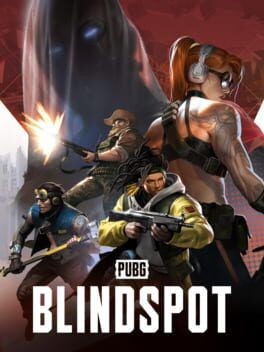
PUBG: Blindspot looks, at first glance, like a branding experiment. Take PUBG’s name, slap it on a 5v5 top‑down tactics game, push it out as free‑to‑play, and hope the esports crowd shows up. After a week with the Early Access build, it’s clear there’s more intent here than that.
Blindspot is PUBG Studios taking the most interesting part of Battlegrounds — the information war of vision, sound, and angles — and shrinking it into tight, round‑based 5v5 clashes. When it’s working, it feels like someone fused PUBG’s grounded gunfeel with the mind games of Rainbow Six and the clarity of a classic top‑down tactics game.
It’s not all there yet, but as an Early Access foundation, it’s surprisingly strong.
Map design: close‑quarters chessboards
Blindspot’s maps are small, multi‑lane, and obsessed with sightlines. You’re constantly peeking around cars, windows, low walls, stairwells, and tight interior corridors, and the game’s signature shared‑vision system makes those angles matter more than raw aim.
Every player on your team shares line of sight in real time, so a single jiggle‑peek around a corner instantly paints what you see onto your squad’s minimap and fog of war. Maps are clearly built around that idea. Corners are frequent but not random; most chokepoints have at least two approach routes, often a main lane plus a flank or a high‑low pairing. That stops rounds devolving into coin‑flip peeks.
Verticality is gentle rather than extreme. You get staircases, raised walkways, and a few sniper‑friendly overwatches, but nothing that feels like a gimmick tower. The benefit is readability. Even with grenades, drones, and gadgets flying around, it’s easy to parse where you’re being pressured from.
The downside is that some maps can blur together thematically. Urban CQB works great for the mechanics, but visually and structurally you’ll start to feel like you’re fighting in rearranged slices of the same city block. There are hints of variety in industrial and office‑style layouts, but Blindspot could use at least one bolder, asymmetrical map to break the pattern.
Still, from a competitive design standpoint, these are smart, learnable spaces. You can feel lanes, timings and common crossfires emerging after just a few matches, and that’s exactly what a round‑based tactics game needs.
Classes and gadgets: clever ideas, sharp edges
Blindspot leans on a hero‑style class system rather than pure loadouts. Each operator comes with a preferred weapon archetype and one or two signature gadgets. Early on you’ll meet recon‑heavy characters with drones or tracking tools, area denial specialists with explosives and deployable barriers, and more classic entry types with flash‑style gadgets or launchers.
In theory, this is where the game sings. Shared vision combines beautifully with recon gadgets: a single drone sweep or tracker ping can light up half the map for your team, letting you collapse on isolated enemies with ruthless efficiency. Barrier gadgets can close off predictable angles, forcing attackers into riskier routes. Blue Zone grenades and other PUBG‑flavored toys add pressure by shrinking safe pockets of the map mid‑round.
In practice, Early Access balance is a step behind the ideas. Recon tools are simply too good right now. A coordinated team with a recon operator can erase a lot of the guesswork that makes rounds tense, especially on defense. Attackers can chain intel and utility to clear every likely corner with minimal risk, turning some rounds into slow, inevitable map sweeps instead of knife‑edge duels.
Meanwhile, a couple of gadget sets feel undercooked. Some trap‑style tools are too easy to clear or avoid, while a few offensive explosives sit in an awkward spot between utility and pure damage, not really excelling at either. It doesn’t help that certain gadgets come with unclear visual feedback, so you occasionally die to something you barely saw, which cuts against the game’s tactical readability.
The positive spin is that none of these problems feel fundamental. The core concepts are excellent, and the game is clearly built to be tweaked. A few cooldown increases, clearer audio‑visual cues, and a gentler recon power curve would go a long way toward creating the rock‑paper‑scissors interplay Blindspot is clearly chasing.
Pacing and attack/defend flow
Rounds in Blindspot are fast but not frantic, usually running around the two‑minute mark. Each match plays out across multiple attack/defend rounds on compact objectives, closer to Rainbow Six Siege than to CS2’s bomb defusal. Defenders set up crossfires and deploy gadgets, attackers probe, clear utility, and go for a controlled hit.
The opening 20–30 seconds of a round are often tense quiet. You and your team inch forward, checking expected angles, trying not to give away too much of your own vision footprint while still feeding information back through the shared sight system. Once first contact happens, things accelerate dramatically. Trades snowball quickly, and rounds can end in a blur if someone hard commits to a flank at the right time.
This pacing generally feels good, but it’s brittle. Against a similarly skilled squad, Blindspot is gripping, with every peek feeling consequential. Against a team that’s either much worse or much better, rounds can collapse into either steamrolls or unwinnable chokeholds. The attack/defend structure, combined with strong recon tools, amplifies skill disparities. When defenders know every timing and have gadgets placed to perfection, attackers can feel like they’re running a gauntlet they never consented to.
Overtime and side swaps help, and the short round length means stomps end quickly, but Early Access could really benefit from better comeback mechanics. Slight economy tweaks on gadget charges, or rewards for successful plants/retakes that give the losing side a bit more utility next round, would smooth things out.
Does it capture PUBG’s tension?
Blindspot is not PUBG with a different camera. There’s no drawn‑out survival phase, no circle collapsing over 30 minutes, no long‑range sniping over fields. What it does inherit is a fixation on information and consequence.
Sightlines matter as much here as in Erangel, just in microcosm. Every pixel you reveal around a doorway feeds intel to your team, but also exposes you to a near‑instant kill from realistic, punishing gunplay. Weapons kick hard, time‑to‑kill is low, and there’s very little room for heroics once you’re caught out of position.
That combination of shared vision, short rounds, and unforgiving firefights does a solid job of recreating PUBG’s heart‑rate spikes, only compressed into 90‑second capsules instead of a full match. The absence of a looting phase or macro rotation actually sharpens that feeling. You drop into the round already armed and already in danger, with no downtime to hide poor decisions behind RNG.
There is one area where Blindspot falls short of its older sibling: narrative tension. Battlegrounds creates stories through geography and escalation, from empty fields to frantic final circles. Blindspot’s tightly designed maps and repeatable objective formats are necessarily more sterile. You remember “that insane peek on B stairs” or “the three‑man spray in the office,” but not broader match arcs. It’s tactical tension rather than survival tension, which will absolutely work for some players and leave others a bit cold.
Free‑to‑play packaging and Early Access state
For a day‑one Early Access F2P title, Blindspot is in good technical shape. Hit registration feels reliable, server performance is stable, and outside of the occasional camera stutter on tight corners, the top‑down presentation is clean. Visual clarity is a clear focus: operators are readable against the environment, ability effects are mostly distinct, and the UI, while busy at first, becomes second nature after a handful of matches.
Monetization at launch is restrained. Cosmetics and progression hooks are present but not aggressive, and there’s no gameplay‑locking paywall on classes or gadgets yet. That could always change, but right now Blindspot feels like a competitive product first and a store second, which is refreshing in this space.
The bigger question is content breadth. Map and operator counts at launch are enough to sustain focused play, but dedicated tactics fans will burn through the basics quickly. Because rounds are short and maps are compact, repetition sets in faster than it would in a battle royale. The developers are talking about regular updates with new maps, gadgets, and balance passes, and that cadence will make or break Blindspot’s long‑term appeal.
Verdict: a promising, smartly tense tactics experiment
As an Early Access 5v5 top‑down tactical shooter, PUBG: Blindspot is already more thoughtful than its name‑slap spinoff pitch suggests. Its maps are compact but cleverly built around shared vision, its core gunplay has the same ruthless bite that made PUBG stand out, and its round structure can produce short, ferociously tense exchanges.
At the same time, class and gadget balance needs a real tuning pass, recon tools in particular are warping the meta, and the attack/defend pacing can feel brutal in mismatched lobbies. The game captures PUBG’s tension in a distilled, competitive form, but it lacks the sweeping narrative arcs that made a single match of Battlegrounds feel like a whole story.
If you’re hungry for a new tactical 5v5 on PC and you like the idea of PUBG’s gunfeel and information warfare condensed into tight rounds, Blindspot’s Early Access launch is absolutely worth your time. Just know you’re signing up for a live, evolving project where the best and worst parts of the experience will almost certainly change over the coming months.
Final Verdict
A solid gaming experience that delivers on its promises and provides hours of entertainment.