
Review

By Night Owl
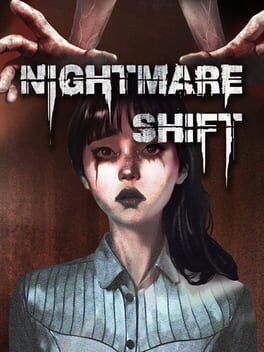
Image: IGDB
Store links: Nightmare Shift on Steam, Night Shift Nightmare on Steam
A strong late-shift premise, trapped inside uneven pacing
Nightmare Shift is now available on PC, PS5, and Xbox Series X/S, according to GameSpew, after launching on PC last year. That wider console release gives Binary Lunar’s short first-person horror game a sharper test: can the anxiety of a lonely motel shift carry a full playthrough, or does the job become busywork before the nightmare takes hold?
The premise is the strongest confirmed piece here. Multiple outlets describe Nightmare Shift as the story of Emma, a young woman starting an overnight job at a rundown motel, where the ordinary mechanics of low-wage work slowly turn sour. GameCritics identifies Binary Lunar as the developer and frames the motel as a deliberately mundane workplace where guests arrive, phones ring, rooms need supplies, and Emma is left to survive the routine. Games Asylum describes the site in grimy detail: fewer than a dozen cramped rooms, a drained swimming pool, a temperamental vending machine, a difficult generator, and an empty room that rats and stray cats keep entering.
That is a fertile place for horror. Empty motels already feel like buildings holding their breath, and Nightmare Shift understands the specific dread of being responsible for a space after dark. The issue is that understanding a fear and pacing a game around it are different skills. The best reported moments come when the game lets players settle into a routine, then quietly corrupts it. The weakest come when the routine remains routine for too long.
Nightmare Shift gameplay works when the job becomes suspicious
The core Nightmare Shift gameplay is repeatedly described as walking-sim horror with light interaction. GameCritics calls it primarily a first-person walking simulator with light puzzle-solving, built around repetition rather than combat or resource management. GameSpew says players prepare rooms for guests, stock supplies such as toilet roll and towels, answer phones, and check security cameras. Thumb Culture similarly notes room restocking and phone answering as the main interactions, with most of the game moving between the motel and Emma’s apartment.
That narrow design is not automatically a flaw. In horror, routine can be a weapon. GameCritics argues that Nightmare Shift is at its best when it teaches the player the motel’s rhythms and then starts quietly sabotaging them, creating moments where a changed door, misplaced object, or odd noise produces suspicion without the game announcing a scare. MyGamer’s Xbox Series X review also praises the motel as the game’s biggest strength, citing dim lighting, empty corridors, strange visitors, and an atmosphere that makes routine jobs stressful because something always feels ready to go wrong.
For a buyer, the important distinction is that Nightmare Shift is not being described as a systems-heavy survival game. There is no confirmed emphasis in the supplied reviews on ammunition scarcity, inventory pressure, stealth depth, or enemy pattern mastery. The pressure comes from navigation, task completion, scripted disruptions, and uncertainty. If your horror taste leans toward Outlast-style pursuit or Resident Evil-style resource routing, the Nightmare Shift horror game is aiming at a quieter, simpler target.
The jump scares are not the real problem; the dead air is
The assigned question is whether the workplace-horror setup sustains tension beyond jump scares. Based on the source material, the answer is partly yes, but not consistently enough.
GameCritics specifically praises Binary Lunar for withholding major reveals for much of the runtime, arguing that terror often loses force once the threat is fully understood. MyGamer reaches a similar positive reading, saying Nightmare Shift is more interested in getting inside the player’s head than throwing monsters out every few minutes, and that its sound design and environment carry much of the unease. GameSpew also says the game has an undercurrent of dread from the outset, helped by warnings about strange happenings, unpleasant guests, and an early report involving a flickering light in a room that should be empty.
The problem is the gap between setup and payoff. GameCritics says the mundane motel work continues past the point where it adds narrative value, and that the game does not reward the player enough once the horror returns. Thumb Culture’s PS5 review lands nearby, calling the gameplay bog-standard and saying the story could have used stronger hints and buildup. GameSpew finds the work initially engaging but ultimately says the tick-box nature of the gameplay lets the experience down.
So the scares themselves are not reported as the weakness. If anything, the reviews suggest Nightmare Shift is smart to avoid leaning entirely on jump scares. The weakness is rhythm. A slow horror game needs the player to feel that every dull task is tightening a noose. Too often, Nightmare Shift appears to ask players to complete the task list first and wait for the noose later.
The pacing split is the game’s defining conflict
The most interesting disagreement across the reviews is pacing. GameCritics argues that Nightmare Shift overcorrects away from jump scares and drags ordinary tasks through too much of its short runtime. In contrast, MyGamer says the game avoids overstaying its welcome, with new environments, fresh story developments, and increasingly bizarre events arriving often enough to keep things interesting. GameSpew also says the story’s movement between the motel, Emma’s home life, and other locations keeps the player from getting bogged down by routine.
Those positions are not mutually exclusive. Games Asylum gives the clearest structure: the story is spread over several days, with shifts lasting around 20 to 30 minutes and the whole experience landing around the length of a typical movie. That format can feel brisk if the player responds to small environmental changes and escalating weirdness. It can feel padded if the required objectives are too obvious, too scripted, or too detached from the threat.
The apartment sequences appear to be part of that friction. Games Asylum says Emma catches the bus home after shifts, is greeted by the janitor, uses a rickety elevator, enters a digital door code, and often completes arbitrary objectives before nighttime disturbances occur. The outlet specifically calls the door-code routine something that feels like filler. Yet the same review notes later apartment sequences becoming more twisted, with endless corridors, maze-like spaces, and chase moments involving a mysterious stalker.
That makes Nightmare Shift a pacing gamble. Its short length protects it from becoming a marathon, but short horror has less room for slack. When a 20-minute chapter contains too many actions that feel like waiting for the game to start again, the atmosphere thins.
Story, endings, and the cost of replaying from scratch
Narratively, Nightmare Shift starts deliberately thin. GameCritics says Emma receives an extremely brief onboarding from an NPC manager and begins with little clear backstory, motivation, or goal beyond surviving the night-shift routine. Other outlets describe the plot widening as Emma’s apartment and personal life become infected by the same dread surrounding the motel. Games Asylum says the assumption early on is that a rude customer may have followed Emma home, before more sinister events emerge.
There are multiple endings, but the replay structure is a practical drawback. Games Asylum says different endings are available, yet once the story concludes, only the New Game option is available from the menu rather than a final-moment restart or final-chapter replay. Seeking Tech’s trophy guide goes further, saying progress is deleted each time an ending is reached and advising PlayStation Plus users to upload save data before the final chapter to avoid replaying much of the game. Thumb Culture also reports that chapter select reset after completion, which made revisiting late chapters frustrating.
There is one structural wrinkle worth calling out. Games Asylum describes the story as concluding after five shifts, while Seeking Tech’s trophy roadmap refers to a Night-6 House After Work chapter and a Night-5 Police Station branching point. The sources can be reconciled if “five shifts” refers to the motel-work structure and Night-6 refers to a later chapter outside that shift count, but the supplied material does not explicitly confirm that. What is clear is that ending hunters should be cautious. This is a short game, but the save and chapter-select behavior reported by several outlets makes completionist replay more cumbersome than it should be.
Presentation helps the mood, then breaks the spell
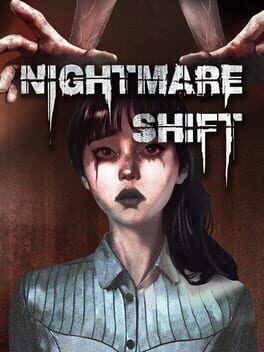
Nightmare Shift’s visual identity is a split between effective location work and rough character presentation. GameCritics praises the dated environments as very effective at building an unsettling atmosphere, while also saying the character models can look scarier than the intended scares. MyGamer credits the dim lighting, empty corridors, and environmental details for sustaining unease. That matches the kind of low-budget horror that can succeed by making ordinary spaces feel wrong.
The budget seams are still prominent. Games Asylum calls the presentation sloppy, citing common typos, HUD objective descriptions that do not display fully, exaggerated lighting, reflective surfaces, and NPCs resembling shop mannequins. GameSpew says character animation is sub-par and voice acting is inconsistent, with Emma singled out as poorly voiced. Thumb Culture also criticizes textures and character animations, saying models looked like they were moving on a treadmill, while noting that the music adds decent ambience and that the voice acting is not bad even when the script becomes awkward or contradictory.
Audio seems to do more reliable horror work than the visuals. MyGamer emphasizes creaking floorboards and distant noises as part of the tension, while Thumb Culture credits the music with adding atmosphere. That matters because this kind of horror lives in anticipation. A flicker, a hum, a distant sound through cheap motel walls can be more valuable than a monster reveal. Nightmare Shift appears to know that, even when its writing, UI, and NPC work undermine the illusion.
Verdict: a decent motel nightmare for patient walking-sim horror fans
Nightmare Shift is easiest to recommend to players who like short, low-budget horror games built around place, routine, and suggestion. The motel setup is strong, the ordinary night-shift duties give the dread a useful backbone, and the game seems most effective when it makes players question whether a hallway, room, or sound has changed since the last pass.
It is harder to recommend to players who need mechanical tension, polished presentation, or tight pacing from scene to scene. The supplied reviews repeatedly identify basic interactions, scripted objectives, uneven story buildup, rough models, and replay friction as limitations. The conflicting pacing impressions are telling: some outlets felt the game kept changing enough to stay engaging, while others felt its mundane labor dragged past its purpose.
As a Nightmare Shift review verdict, this is a qualified recommendation rather than a warning. The workplace premise does sustain tension beyond simple jump scares during its best stretches, but it does not fully solve the problem of making chores feel dangerous across the whole playthrough. If you are drawn to eerie motels, CCTV unease, apartment disturbances, and compact horror you can finish in an afternoon, Nightmare Shift has enough atmosphere to justify curiosity. If you are looking for refined survival pressure or replay-friendly ending cleanup, wait for a discount or a patch that addresses chapter select.
Final Verdict
A solid gaming experience that delivers on its promises and provides hours of entertainment.