
Review

By The Completionist
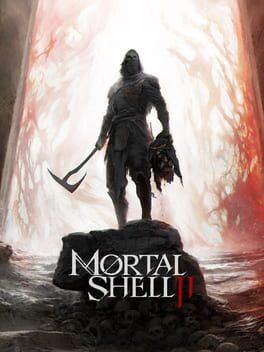
Image: IGDB
Store links: Mortal Shell II on Steam
A bigger sequel with a sharper identity
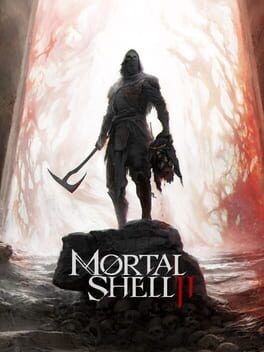
Mortal Shell II is listed in the r/Games review thread as launching August 20, 2026 on PC, PS5, and Xbox Series X|S, and that same thread cites an OpenCritic average of 85 with 92% of critics recommending it across 37 reviews. That is the concrete surprise at the center of this Mortal Shell 2 review: Cold Symmetry has taken a compact, divisive soulslike known for one brilliant class-swapping idea and expanded it into a 25 to 30 hour action RPG that several outlets say is better in almost every major respect.
The tension is scale. IGN writes that it was skeptical of Mortal Shell 2’s move toward a larger action-RPG format because the 2020 original worked partly because it was smaller. Rock Paper Shotgun similarly recalls the first Mortal Shell as a game with an appealing 15-hour compactness, a distinct take on character classes, and enough jank and confusing level design to turn many players away early. The sequel, according to both outlets, does not require prior knowledge of the first game, though Rock Paper Shotgun says returning players will find familiar characters and Easter eggs.
That makes Mortal Shell II a rare sequel pitch: bigger, faster, more accessible, and still odd enough to feel like it came from the same diseased root. It is being positioned by critics as a return for people who bounced off Fallgrim as much as for those who stayed. For RPG players, the important question is not whether it imitates FromSoftware well enough. It is whether the Shell system has grown into a build framework that can carry a longer, more open adventure. On that front, the consensus is stronger than expected.
Shells finally feel like full builds rather than loadout skins
The defining system remains the same in outline. You play as the Harbinger, a sinewy creature able to inhabit the bodies of dead warriors called Shells. Rock Paper Shotgun describes these Shells as replacements for standard classes, avoiding a lengthy character-creation process while putting most of your abilities into the bodies you claim. IGN says the basic last-stand tension also returns: when a Shell takes too much damage, you are thrown back into your vulnerable original form and given a chance to fight your way back in.
The sequel’s major RPG improvement is differentiation. IGN reports that the number of usable Shells has doubled, with only a few returning faces among a mostly new roster. In the first game, Shells were often distinguished heavily by health pools and passive traits. In Mortal Shell II, IGN says passive abilities return in more abundance and are arranged in clearer progression charts, while each Shell also has active abilities that change combat more directly.
The examples matter because they show how Cold Symmetry is thinking in archetypes without defaulting to a conventional warrior, rogue, mage lineup. Tiel can vanish briefly, slip past enemies, and reappear with a large backstab, according to IGN, while Rock Paper Shotgun describes him as an acolyte thief built around shadows and sneak attacks. Console Creatures says Proxima can hook enemies from range, and Rock Paper Shotgun singles her out as one of the sequel’s memorable Shells. Lazlo, described by Rock Paper Shotgun as a heavy armored bruiser, gives the roster a full weight-class swing in the other direction. IGN also mentions a ferocious cannibal, an armor-clad alien, and a time-stopping cultist as standouts.
For completionists and build-maxers, the notable wrinkle is that Shells now seem to invite experimentation rather than simple preference. Console Creatures says you can collect Shells as you see fit, with some revealed on the map after major milestones, while IGN says individual character stories are developed through a bond system tied to a collectible and an unusual NPC. Rock Paper Shotgun also notes that Sester Genessa, the first game’s save-system figure, returns as a playable Shell with clone-summoning potential. That is exactly the sort of oddball build hook this series needed. Even if one Shell does not fit your hands, the system gives you a reason to chase the next body instead of rerolling a stat sheet.
Combat is faster, heavier, and less ruled by stamina
The most important design change for the Mortal Shell 2 soulslike formula is the removal of stamina. Game Rant reports that Mortal Shell II drops the stamina mechanic that shaped the first game’s slower hit-hit-retreat rhythm. In its place, combat leans harder on positioning, dodging, parrying, Hardening, Shell abilities, and Seals. That could have dulled the series’ danger, but the reported effect is the opposite: Game Rant calls combat faster, more fluid, and more responsive, with impactful visual and audio feedback and gratifying execution animations.
This is where the sequel’s heavy metal character shows up mechanically. The first Mortal Shell often felt like a game about waiting for a safe opening. The sequel, according to the available reviews, is more interested in letting you force openings, burn down stagger, and swap defensive philosophies. Game Rant says there are multiple Seals now rather than the first game’s single Tarnished Seal, with different combat roles. The Untarnished Seal offers a more lenient parry window and can deal break damage, while Hardening is tied to another Seal. Game Rant also reports that the Slayer Seal functions as an easy mode and, during its pre-launch review period, disabled achievements when equipped.
That accessibility shift is significant but not cleanly risk-free. GamesRadar says the sequel is more accessible than the first game, but also lists difficulty being a little too easy to break as a drawback. IGN points to balance issues, especially toward the end of the 25 to 30 hour quest. Console Creatures similarly frames the sequel as a stronger second outing without reinventing the wheel, while the r/Games review thread quotes Cerealkillerz saying experienced soulslike players may find it a little too easy even though newcomers are likely to find the difficulty well balanced.
The combat also has some reported friction. IGN says certain active abilities can be finicky, particularly ones involving travel distance or auto-locking, and mentions Tiel’s Shadow Stab occasionally missing inexplicably. That is the kind of flaw that matters in a game built around commitment and punishment. Still, the broader picture is clear: Mortal Shell II’s combat is less about resource bookkeeping and more about choosing a body, a defensive rule set, and an aggression profile. For an RPG player, that is a better trade than simply adding another meter to respect.
Fainweald gives the sequel its old-school PC action RPG flavor
Rock Paper Shotgun places the sequel in the harsh realm of Fainweald and uses The One Legged Wolf tavern as a telling example of its personality. The outlet describes a place where brigands who call you “brev” gather to drink and listen to a shirtless lute-player, and where accidentally killing that performer with a sidearm does not seem to bother anyone. That anecdote supports one of the more interesting claims around this sequel: Mortal Shell II’s world is not presented as a solemn checklist of cursed kingdoms, but as a strange, permissive space where bleak fantasy, black comedy, and rough-edged simulation energy collide.
That is also where the “old school PC action RPG” comparison becomes useful. Rock Paper Shotgun characterizes the sequel as a modern dark fantasy soulslike with the DNA of a PC-only game from an earlier era. GamesRadar describes its open world as beautiful and dense with ideas, secrets, and discoveries. IGN says the act of exploration can be daunting, but also calls the world one of the sequel’s major improvements. Together, those accounts suggest a world built less like a guided attraction and more like a hostile map you slowly learn to read.
The story sounds as grotesque and religiously charged as expected. Console Creatures says Mortal Shell II is standalone and centers on Undermether, a celestial being who crashes from the heavens, is worshiped as a goddess, and gives her body as a source of prosperity. The Harbinger is tasked with returning missing ova to the faithful, and Console Creatures describes the premise as weird, wicked, and distinctly soulslike. IGN is cooler on the main narrative, calling the overall story a cryptic mess, but it says the Shell-specific side stories are more grounding and relatable.
That split is important for buyers. If you need a clean campaign plot with clear motivations, Mortal Shell II does not sound like it has suddenly become a traditional narrative RPG. If you like lore delivered through bodies, factions, grotesque theology, and character fragments, the sequel appears much better equipped than the first game. As an RPG, its strongest storytelling seems to live in who you inhabit, what that body can do, and what its past implies.
Ambition brings camera, navigation, and technical costs
The sources agree that Mortal Shell II is a major improvement, but they do not describe a frictionless game. IGN cites weird technical issues and late-game balance problems. GamesRadar lists an uncooperative camera among its cons. The r/Games review thread quotes Console-Tribe calling out technical hiccups and a bare-bones weapon upgrade system, while Cerealkillerz notes limited weapon variety and talent trees that leave some room for improvement.
Navigation also appears to be a pressure point. GamesRadar praises the sequel’s secrets and open-world density but says Nightfall mode makes navigation frustrating. Game Rant refers to Night Mode as a difficulty and reward modifier, so there is a naming discrepancy in the provided sources, but both references point to an optional harder variant that changes the experience beyond a simple damage slider. Game Rant also says New Game+ scales up enemy damage and health, which should give challenge-focused players a route beyond a first clear.
For a Mortal Shell 2 PC buyer, the technical caveat is worth watching after launch, especially because the source material does not include detailed PC requirements, frame-rate targets, or performance-mode information. For Mortal Shell 2 PS5 players, the same absence applies: the provided sources confirm the platform listing through the r/Games thread, but they do not provide PS5 resolution or performance details. In practical terms, players sensitive to camera behavior, late-game tuning, or technical stability may want to wait for platform-specific analysis after release rather than relying on overall review scores alone.
None of these issues erase the achievement, but they shape the recommendation. Mortal Shell II sounds like a sequel that has solved the first game’s largest design weaknesses while inheriting the risks of a broader world. The combat is better. The builds are better. The adventure is longer and stranger. The cost is that a bigger structure gives camera problems, balance breaks, and technical oddities more room to appear.
The return trip is worth it for build hunters and soulslike explorers
As a buyer’s guide verdict, Mortal Shell II is easiest to recommend to players who care about build identity, tactile melee combat, and hostile worlds that reward poking around. The Shell system now has enough active differentiation to feel like a real RPG progression spine, and the removal of stamina seems to push the sequel toward faster, heavier decision-making without abandoning danger. Cold Symmetry’s metal aesthetic also appears to be doing useful work rather than acting as surface dressing: it feeds the combat weight, the grotesque theology, the tavern weirdness, and the sense that Fainweald is a place with its own diseased rules.
It is a softer recommendation for players who come to soulslikes chiefly for pristine boss tuning, extremely strict difficulty, or clean technical execution. The reported camera problems, finicky abilities, balance concerns, and unclear platform-specific performance details are real reasons to pause. The easy-mode Seal and more flexible difficulty structure also mean challenge purists may want to choose their setup carefully before judging the game’s teeth.
Still, the sequel’s direction is convincing. Rock Paper Shotgun says it improves on every aspect of its predecessor. IGN says its expansion into a large-scale action RPG is mostly successful. GamesRadar calls it a far superior, more accessible sequel dense with discoveries. Game Rant highlights combat as its biggest strength. Even Console Creatures, at the more restrained end of the provided reviews, frames it as a worthy second attempt that shows how feedback can shape a stronger follow-up.
Mortal Shell II does not appear to dethrone Elden Ring, and several sources are careful about that comparison. It does, however, look like the sequel Mortal Shell needed: bolder, weirder, more legible as an RPG, and much less trapped by the limitations of the original. If you bounced off the first game because it felt slight or stiff, this is the one that deserves a second look.
Final Verdict
A solid gaming experience that delivers on its promises and provides hours of entertainment.