
Review

By Night Owl
Deadpool crashes the party, but does he fix it?
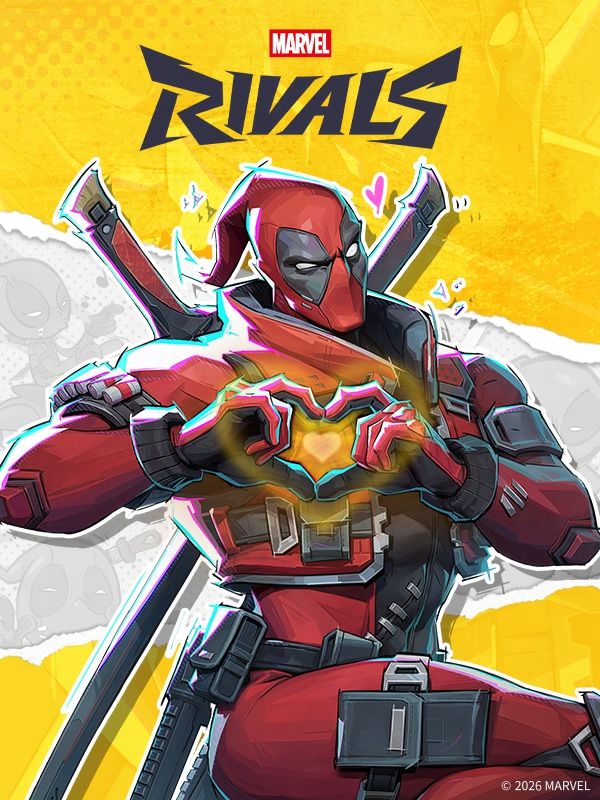
Season 6 of Marvel Rivals, "Night at the Museum," finally cashes in one of the game’s biggest chips: Deadpool. He arrives as the first proper 3‑in‑1 hero, able to swap between melee, gunner, and explosives-focused stances mid-fight. On paper, he is exactly what this game needs: a high-skill, high-flexibility carry who rewards smart role-swapping instead of one-trick burst combos.
In practice, Deadpool comes in hot but not catastrophically broken. His melee stance gives brawler comps a true dive threat that can keep pace with the mobility creep of the roster, his mid-range guns let him function like a traditional DPS when your team is short a damage dealer, and his gadget-heavy kit lets him harass chokes and objectives in ways that previously demanded a specialist pick. He is frustrating if you are on the receiving end of a good Deadpool, but he is not the kind of auto-lock win button that Doctor Strange used to be.
The bigger win is how he loosens up drafting. Deadpool lets teams cover two roles with a single slot, which means supports like the newly buffed Mantis and DPS picks such as Rocket Raccoon and Iron Man are suddenly more viable. You can gamble on a fragile backline because Deadpool can pivot into peel or burst depending on what your team needs. He is not single-handedly defining the meta, but he quietly makes the roster feel wider and more flexible.
Elsa Bloodstone and the edge of overreach
Elsa Bloodstone lands squarely in the “problem child” category. As a monster hunter archetype with sharp mid-range pressure and sustained anti-flanker tools, she should have been a counterweight to hyper-mobile assassins and oppressive controllers.
Instead, early Season 6 matches are full of complaints that will sound very familiar to anyone who has lived through launch-week balance in a live-service shooter. Elsa’s burst windows line up a little too cleanly with her safety tools. She can poke you down from angles that are hard to contest, then kite out of retaliation with little commitment. On smaller or tighter maps, weaker players can lean on her range and reliable damage to farm value, which tilts matchmaking at mid ranks.
She is not ruining every game, but she warps positioning. Entire lobbies play around her sightlines. This would be easier to swallow if she were a grindable answer to a stale meta, but her introduction is knotted up with the season’s roughest monetization beats.
Meta shifts beyond the new toys
Season 6’s balance patch goes further than two headline heroes. The most meaningful change is the deliberate dethroning of the old gods. Doctor Strange, Magneto, and Magik finally get the hammer. Their oppressive damage plus control combos, which once dictated lobby tempo, are softened enough that they no longer feel mandatory.
On the other side of the ledger, underpicked heroes like Mantis, Rocket Raccoon, and Iron Man receive real help rather than token number tweaks. Mantis’ healing feels less like a desperate scramble and more like a proactive sustain plan. Rocket’s damage and responsiveness make him an honest-to-goodness threat rather than a thematic novelty. Iron Man’s kit finally lives up to his fantasy as a clean, hitscan-adjacent DPS anchor rather than a clunky compromise pick.
The immediate effect is that Season 6 ranked matches look less solved. You see more experimentation, more off-meta duos, and a healthier spread of roles in solo queue. It is not perfectly balanced, but for the first time in a couple of seasons, it feels like the game is pushing away from a suffocating top tier and toward a broader field where player skill matters more than just locking the “correct” three heroes.
Matchmaking: better, but still brittle
Matchmaking in Season 6 is not imploding, but it is clearly feeling the strain of a maturing player base. Queue times remain acceptable during peak hours, and the influx of lapsed players drawn by Deadpool ensures that mid-tier ranks are plenty active.
The trouble is consistency. Role coverage and team quality remain erratic, especially when Deadpool is involved. Because he technically covers multiple archetypes, the system sometimes builds teams that are paper-thin on true supports or tanks, assuming a Deadpool will flex into whatever is missing. When the player behind him does not, matches snowball quickly.
Smurfing and wide MMR spreads still slip through, particularly in off-peak windows, and Elsa’s early strength magnifies that mismatch. A high-skill Elsa pilot dropped into a mid-skill lobby can take over games in a way few heroes can currently replicate. The balancing work has reduced the impact of previous terror picks, but the matchmaker has not caught up to the new reality that some heroes exert far more influence over game outcome than others.
If you bounced off Marvel Rivals because of steamroll lobbies and feeling helpless, Season 6 is a step in the right direction, not a cure. You will still get the occasional match where you are an NPC in someone else’s montage.
Monetization: Deadpool hype versus wallet fatigue
Marvel Rivals has always walked a tightrope between fan-service and aggressive monetization, and Season 6 does not relax that grip. Deadpool and Elsa arrive packaged inside a predictable mix of premium passes, themed bundles, and limited-time cosmetics that lean hard on fear of missing out.
The issue is not just that everything is paid. It is the psychological framing. Deadpool, arguably the most requested hero in the roster, is wrapped in a lattice of upgrade tracks, cosmetics, and bundle discounts that make it obvious the design wants you spending, not just playing. Elsa follows a similar pattern, with her strongest, most eye-catching cosmetics fenced off at the top of grind-heavy tracks or paywalled outright.
Compared to some prior seasons, the raw value of the pass is slightly better, with a denser spread of currencies and cosmetics. But the Black Market-style economy and the growing web of overlapping events make it feel like you are constantly being nudged toward “one more purchase” just to keep up with the cool kids. For players already wary of live-service bloat, Season 6’s economic layer will not change any minds.
Is Season 6 a good jumping-on point?
If you are a lapsed player, the question is whether this is the moment Marvel Rivals finally finds its groove. The answer is a cautious yes, with big caveats.
From a pure gameplay standpoint, Season 6 is one of the healthiest points the game has hit. Deadpool genuinely opens up comps and rewards smart players, the targeted nerfs to Doctor Strange, Magneto, and Magik ease some long-standing frustrations, and the buffs to forgotten heroes make the roster feel more worth exploring. The new map and event structure add just enough novelty that returning players have something fresh to learn rather than just grinding the same old loops.
However, the surrounding ecosystem is still rough. Elsa’s overtuned edges and her immediate rise to frustration poster child show that NetEase has not quite solved its habit of shipping new toys a little too strong. Matchmaking remains volatile, particularly in solo queue, and monetization continues to push hard at the edge of what a casual fanbase will tolerate.
If you loved the core of Marvel Rivals but fell off due to stale metas, Season 6 is absolutely worth reinstalling for a week or two. The hero balance is more interesting now than it has been in months, and Deadpool alone is a great reason to come back and experiment. If your breaking point was the business model or lopsided lobbies, this update will feel like progress, not absolution.
Marvel Rivals is not suddenly transformed into a flawless live-service shooter in Season 6, but it does finally feel like the team is nudging the game toward a future where the roster, not the store, is the main attraction.
Final Verdict
A solid gaming experience that delivers on its promises and provides hours of entertainment.