
Review
By Story Mode
A darker fairy tale finally growing into itself on Switch
Mandragora: Whispers of the Witch Tree arrives on Nintendo Switch as a side-scrolling action RPG steeped in dark fantasy. You guide a wandering hero through decaying villages and cursed forests, culling monsters and chasing scraps of lore about a world that has quietly surrendered to the dark. On paper it sits somewhere between a light Soulslike and a story-driven Metroidvania, with methodical combat and a heavy emphasis on atmosphere.
At launch, that ambition ran squarely into the limits of the hardware. Performance drops, erratic frame pacing, and a general lack of responsiveness pushed the Switch version into "wait for patches" territory. Those patches have arrived, so the real question is whether Nintendo’s handheld-hybrid can now do this brooding adventure justice.
Combat: deliberate, flexible, and finally consistent
Mandragora’s combat is built around weighty, stamina-conscious strikes and a steady flow of magic and abilities. Attacks have wind-up and recovery, enemies punish panic-rolling, and watching telegraphed swings closely is more important than mashing buttons. Early on, encounters are forgiving enough to let you get used to the pace, but the game steadily leans into tighter enemy patterns and multi-enemy encounters that ask you to truly learn your toolkit.
The action is not as exacting as a full Soulslike, but it does reward patience. Shields feel useful without trivializing encounters, parries have generous but not comical windows, and elemental magic opens up soft counters to certain enemies. Bows and ranged spells let you chip away at threats, while heavier weapons trade speed for reach and poise. The RPG layer gives you room to define a playstyle, and there is a satisfying feedback loop in tweaking stats or gear, then revisiting old areas to see how much more confident your character feels.
What held this back at launch on Switch was responsiveness. Inputs sometimes felt swallowed, and timing windows that should have felt fair instead felt fuzzy. Post-patch, combat is not magically transformed, but it is at least consistent. Dodge rolls trigger when you expect them to, parries match your button presses instead of feeling slightly delayed, and enemy animations play out smoothly enough that you can reliably react rather than just guessing. The frame rate still dips in some of the busier outdoor scenes, yet it rarely tanks so hard that you lose control of a fight.
Atmosphere: decaying beauty and a quietly oppressive world
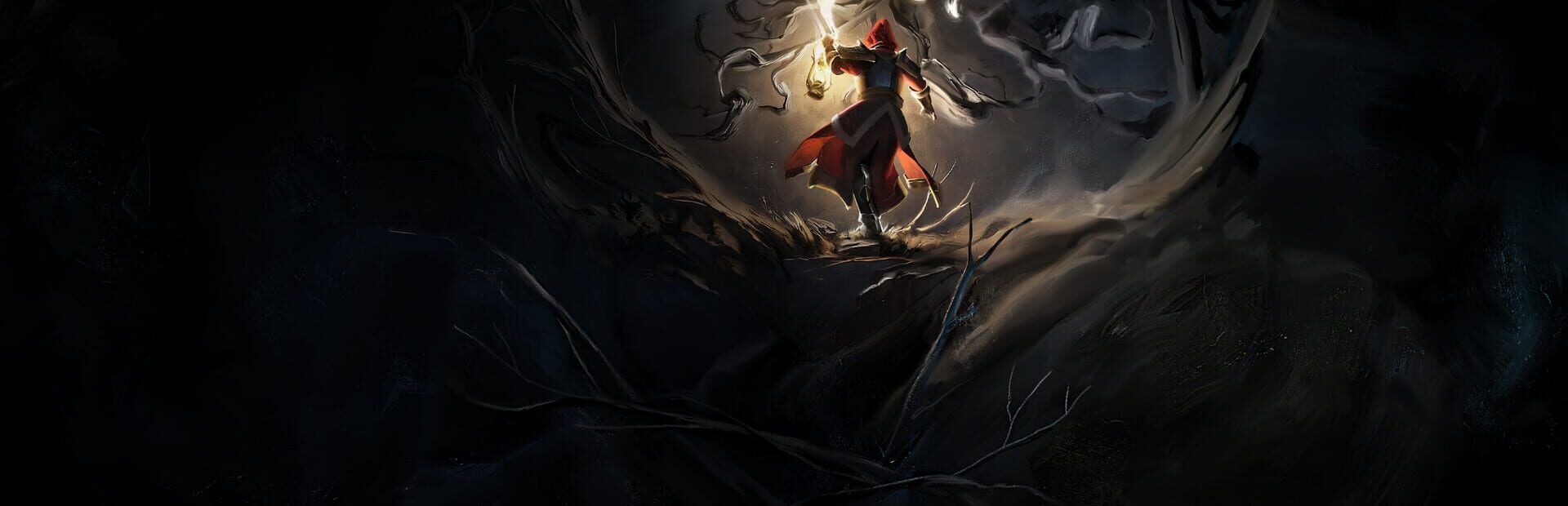
From the title screen onward, Mandragora leans hard into mood. Environments are constructed like dioramas of a world in slow collapse: broken windmills turning in the distance, sickly trees wrapped in strange growths, villages where the last few humans cling to ritual and superstition. The Witch Tree itself is a looming presence, tied to the rituals and whispered stories that drive your journey.
On Switch, the art direction survives the downscaling. Textures are softer and some fine environmental details look muddy in handheld mode, but the overall composition of scenes still works. Strong silhouettes, layered backgrounds, and careful lighting sell the scale of castles and crypts. Enemy designs lean into the unnerving without dropping into outright horror, more like twisted storybook monsters than gore spectacles.
The soundtrack quietly does a lot of work. Low, droning strings and melancholic melodies sit under most of your exploration, spiking into harsher, louder motifs during boss encounters. It is unobtrusive enough to fade into the background on a commute, but when you stop and listen it matches the visuals well. Environmental audio on Switch is a bit flattened compared with higher-end platforms, yet footsteps, distant howls, and the wet thud of strikes still lend texture to each area.
Narratively, Mandragora gives you just enough to follow while leaving plenty unsaid. NPCs are weary, more resigned than heroic, and the world-building is handled through item descriptions, cryptic side quests, and half-told tales about the Witch Tree and the compromises people have made to survive. If you enjoy piecing together lore rather than having it spelled out, this approach works. If you want fully voiced, cinematic storytelling, it may feel a little too muted.
Switch performance after patches
The most important question for a late review is simple: how does it run now?
Docked, the game targets 30 frames per second, and with the latest patches it usually holds close to that. There are rough edges during some effects-heavy fights and in a few larger outdoor zones where alpha effects, multiple enemies, and distant background layers stack up. In those moments the frame rate dips and frame pacing can still feel uneven, but the swings are both shorter and less severe than at launch. Camera movement is noticeably smoother, and the micro-stutters that made platforming feel uneasy are significantly reduced.
In handheld mode, Mandragora trades crispness for stability. Resolution takes a more obvious hit, particularly in dense foliage and stone textures, but the benefit is that traversal and mid-sized fights tend to feel marginally smoother than they did pre-patch. Menus respond promptly and loading times are reasonable, though fast travel between some of the more complex hubs still involves a short wait.
Crashes and hard locks, which were a concern near release, appear to be much rarer now. Auto-saving remains conservative, but manual save points are frequent enough that losing more than a few minutes of progress is unlikely. There are still small annoyances, like minor pop-in when transitioning between sub-areas and occasional audio hitches when the game streams a new music track.
Importantly, combat timing now feels predictable. That does not make platforming perfect or bosses trivial, but it does mean that missed dodges and mistimed blocks feel like your fault rather than the hardware coughing. For a game that leans on careful timing as much as Mandragora does, this is a critical improvement.
Have the patches made it worth recommending on Switch?
On a more powerful platform, Mandragora: Whispers of the Witch Tree is easier to recommend on the strength of its art, moody world-building, and measured combat alone. On Switch, the equation is more complicated. Even after patches, this is not the cleanest way to experience the game. Visual compromises are obvious in handheld play, and performance, while much improved, still stumbles in set-piece moments that should feel most dramatic.
The flipside is that the core of Mandragora finally shines through the technical murk. The action RPG combat is slow-burn but rewarding once you commit to its rhythm, the atmosphere is rich and memorable, and the structure fits snugly into the kind of stop-and-go sessions the Switch encourages. If you primarily play docked, are tolerant of a 30 fps target that occasionally wobbles, and do not have easy access to a stronger platform, the latest patches push the game across the line into a recommendation.
If you own multiple systems and care deeply about fluid performance, the Switch version still lags behind its peers. The portability is nice, but it does not fully make up for the remaining technical compromises.
Score
Mandragora: Whispers of the Witch Tree on Switch has come a long way since launch. It is no longer a rough, technically hamstrung port so much as a solid, atmospheric action RPG that happens to be sitting on the least powerful hardware. With its methodical combat, evocative world, and now-acceptable performance, it earns a cautious recommendation on Nintendo’s platform, provided you know what you are trading away.
Score: 7 out of 10
Final Verdict
A solid gaming experience that delivers on its promises and provides hours of entertainment.