
Review
By Headshot
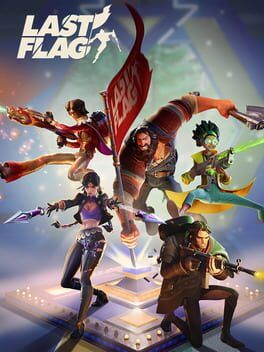
Image: IGDB
Store links: Last Flag on Steam
A sharp idea with a damaged runway
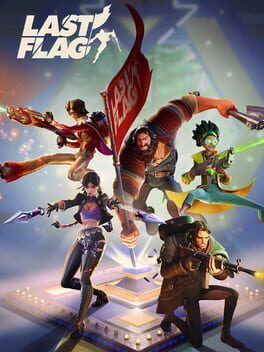
Last Flag launched in April 2026, then reportedly lost its development runway within two months. Matrix News, summarizing PC Gamer's reporting, says Night Street Games stopped development after launch, laid off half its staff, kept the game online, added custom lobbies, and reduced the price rather than pulling the plug. That is the concrete tension behind this Last Flag review: the shooter has one of the cleaner competitive hooks in recent multiplayer design, but it arrives for buyers as a wounded live game rather than a healthy long-term bet. According to Wikipedia's public listing, Last Flag released on April 14, 2026 for Windows, with console ports planned. That same listing describes it as a third-person hero shooter developed and published by Night Street Games, the Las Vegas studio founded by Imagine Dragons vocalist Dan Reynolds and his brother Mac Reynolds. PC Gamer's framing is unusually generous for a game that missed its audience, calling Night Street Games' Capture the Flag project clever and innovative while noting it deserved better. I agree with the core judgment on the design. Last Flag has an actual idea, not a cosmetic mode wrapped around arena shooting. Its best matches are about information, timing, and escort discipline. The problem is that multiplayer shooters are judged by population, support, and clarity as much as by rulesets. On that front, Last Flag is harder to recommend without conditions.
The Capture the Flag twist is the whole pitch
The smartest thing Last Flag does is stop treating Capture the Flag as a solved mode. Wikipedia describes each match as 5v5 team-based third-person multiplayer built around nine characters with different abilities, weapons, and team roles. Instead of placing both flags in fixed bases, Last Flag gives teams a minute to hide their own flag and collect currency for character upgrades. That single rule changes the shape of the entire shooter. Classic CTF often collapses into predictable base routes, spawn traps, and one heroic runner trying to brute-force a lane. Last Flag forces both teams to think like scouts before they think like fraggers. You are defending a secret, attacking an unknown location, and constantly weighing whether your squad should search, contest map objectives, peel back, or commit to a steal. That is strong teamwork design. The hidden-flag setup gives support roles and information play real value, which is rare in shooters that claim to be objective-first while rewarding pure elimination play. The Imagine Dragons Last Flag connection will be the trivia hook for many readers, but the actual design hook is better than the celebrity association. This is a shooter built around paranoia and controlled disclosure. Its 5v5 size also makes sense for that idea. Big enough for split responsibilities, small enough that losing one player in a bad fight should matter.
Map flow is built around information control
Last Flag's central map structure is where the game earns its tactical identity. Wikipedia lists three towers in the middle of the playfield. Capturing those towers provides healing to teammates and gradually scans sections of the map, revealing the flag's location if it sits inside the scanned area. That system gives the match a natural spine. Teams are not wandering blindly forever, and they are not simply sprinting down mirrored lanes. The middle matters because it converts combat wins into information. Healing makes tower control immediately useful, while scanning gives it strategic pressure. Good Last Flag gameplay, at least on paper and in the reported ruleset, should create a strong rhythm: hide, probe, fight for towers, narrow the search, escort, then defend through the finish. That is a far cleaner competitive loop than most modern objective modes manage. The tower system also reduces the worst version of hidden-objective design, where losing teams feel cheated because they never had a reasonable way to solve the puzzle. Here, map control is the answer. If your team refuses to contest the middle, you deserve to be starved of information. If you win fights but fail to convert them into scans, that is a coordination failure. The design asks teams to earn readability instead of receiving it for free, which is exactly the kind of pressure competitive shooters need.
Readability is the strength and the stress point
Last Flag's match readability is unusually interesting because the game deliberately hides the most important object on the field. That is risky. Competitive players can handle uncertainty, but they need to understand how to reduce it. Last Flag's scan towers, healing zones, sudden death rule, and downed state all work toward that goal. Wikipedia says that after one team brings the enemy flag to its own flag, the match enters sudden death, where the flag must be defended for a period of time and opponents get a chance to win it back. That is a smart anti-climax fix. A clean capture is not instantly final, so both teams get one last readable focal point. The downed state also matters because it gives fights a second beat before elimination. That can create rescue moments, bait plays, and finish pressure instead of every lost duel being an instant reset. The tradeoff is cognitive load. New players have to track hidden flag logic, tower scans, healing benefits, hero roles, currency upgrades, and sudden death defense. For a coordinated squad, that complexity is the point. For solo queue players, it can become noise if teammates are not communicating. Last Flag Capture the Flag works best when players treat information as a shared resource. If a team plays it like a deathmatch playlist, the rules will feel fussy instead of elegant.
Gunfights and movement serve the objective rather than dominating it
The source material confirms Last Flag as a third-person shooter and a hero shooter, but it does not provide detailed public data on weapon recoil, time-to-kill, traversal tech, input feel, tick rate, or netcode. That limits any responsible score for pure gunfeel and performance. What can be judged from the reported design is how combat is positioned. Last Flag is not selling itself as a duel-first arena. Its fights exist to open searches, protect scans, deny revives or finishes, and escort flags through contested space. That objective framing is a strength for players tired of shooters where the mode is background dressing. Movement, likewise, appears to be important because of routing, concealment, retreats, and tower rotations rather than because of a documented advanced movement system. If you are searching for Last Flag shooter footage expecting wall-running or pure mechanical spectacle, the confirmed rules point elsewhere. The competitive skill ceiling should come from when to collapse, when to fake a search, when to abandon tower pressure, and when to defend your hidden flag instead of chasing kills. The nine-character setup gives Night Street Games room for role identity, but hero shooters live or die on balance, patch cadence, and population. With development reportedly ended, any rough matchup spread or stale meta becomes a larger risk than it would be in an actively supported game.
Buying advice after development stopped
The hardest part of recommending Last Flag is not the design. It is the state of the game around the design. Matrix News says Night Street Games kept Last Flag online after stopping development, added custom lobbies, reduced the price, and already had bot support. Those details matter more than a normal review score. If you have a regular group, custom lobbies and bots make Last Flag much easier to justify as a clever competitive curio. If you need a large matchmaking pool, frequent balance updates, ranked momentum, console crossplay, or years of seasonal support, the reported end of development is a serious warning. Wikipedia's listing says console ports were planned, but that sits uneasily beside the report that development ended within two months. Until Night Street Games publicly clarifies platform plans, Windows should be treated as the confirmed platform and future ports as uncertain. As a buyer's guide, Last Flag is a guarded recommendation for objective-shooter players who value teamwork and are comfortable with a smaller, possibly static community. It is a poor fit for players who want a safe live-service investment. The design deserves attention because it makes Capture the Flag feel dangerous, readable, and strategic again. The product deserves caution because multiplayer games need people and support as much as they need a good ruleset.
Final Verdict
A solid gaming experience that delivers on its promises and provides hours of entertainment.