
Review

By Pixel Perfect
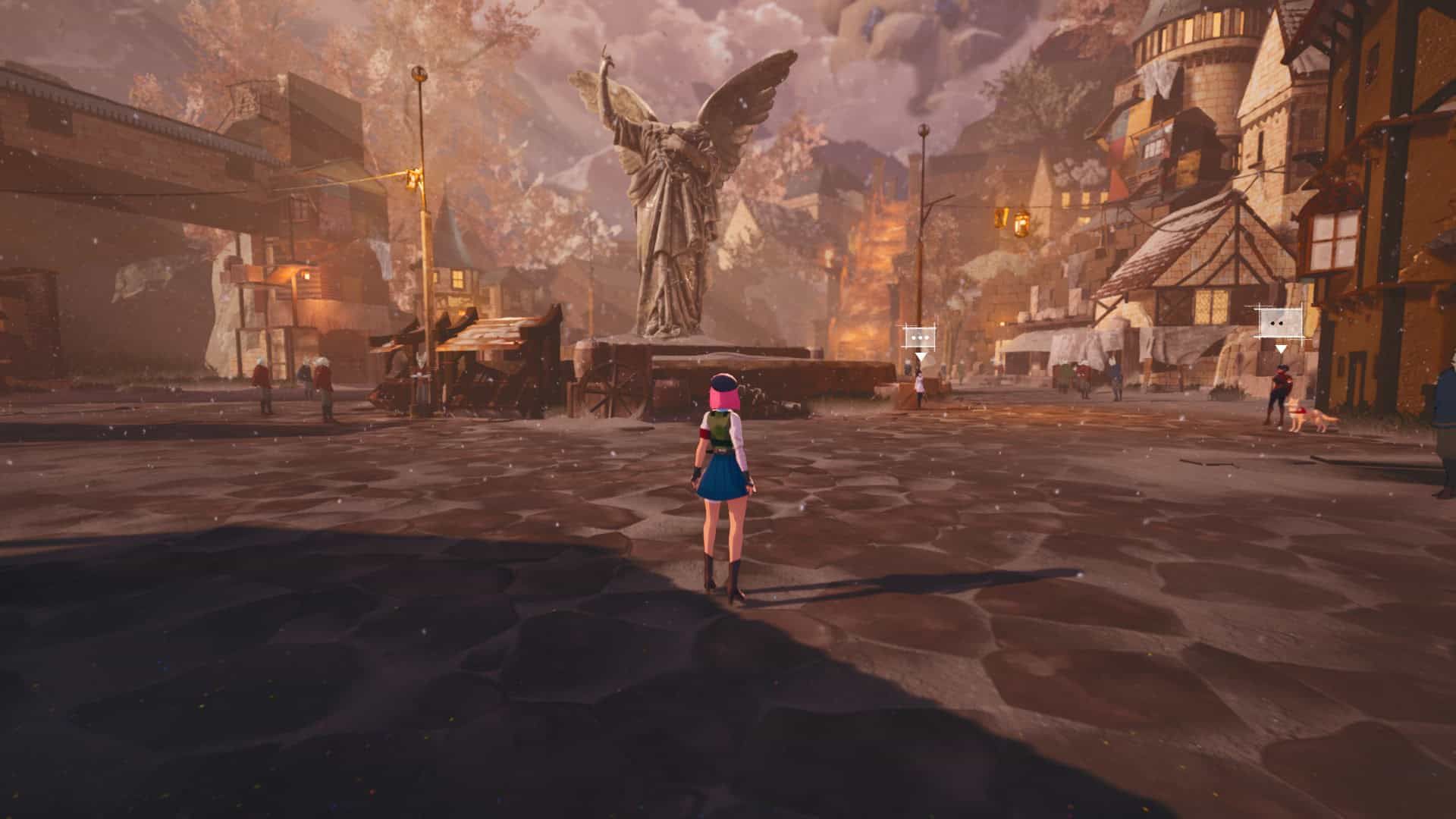
Image: theouterhaven.net
An ambitious indie roguelike arrives with a sharp identity crisis
Kernel Hearts, the Ephemera Games action RPG that some coverage and search traffic render as Kernal Hearts, launched on September 17, 2026 according to iDream of Indie’s listing, with Whitethorn Games named as publisher and PC, Switch 2, PS5, and Xbox Series platforms listed there. The Steam page URL supplied in the source material uses Kernel Hearts, so players trying to find the Kernal Hearts game on storefronts should search that spelling as well.
That naming wrinkle is small, but it fits a game built around a fascinating collision of influences. Siliconera calls it very NieR and NieR: Automata coded, pointing to its post-apocalyptic world, Tower of Babel climb, android-like magical-girl soldiers, preserved memories, melee combat, and bullet-pattern boss pressure. RPGFan likewise says the NieR-like label makes sense in its movement and third-person swordplay. The tension for this Kernal Hearts review is whether those references become a satisfying indie roguelike of their own, or whether the combat friction and thin systems leave it feeling like an inspired imitation.
The answer lands somewhere in the middle. Kernel Hearts has a premise with bite, a run structure that breaks away from cramped room-clearing roguelites, and enough strange beauty to stand apart from safer genre exercises. It also has camera behavior, dodging feel, traversal quirks, and progression choices that multiple reviewers flagged as obstacles. For players who chase ambitious small games, that tradeoff may be acceptable. For players who need action timing to feel immaculate, this tower has rough steps.
The story’s magical-girl tragedy is the strongest hook
The confirmed setup, as described across Siliconera, RPGFan, iDream of Indie, and No Small Games, begins with alternate history. RPGFan says the Soviets reach the Moon in 1968, and that a pregnant cosmonaut’s child is later born with golden eyes and supernatural powers. Siliconera frames the premise similarly, describing humanity’s decision to turn girls and young women with inexplicable abilities into weapons of war. RPGFan names them Vessels of War, while Siliconera focuses on M.A.H.O.U. units whose memories and personalities can be recorded.
That premise gives Kernel Hearts its most compelling emotional shape. Humanity discovers power, militarizes it, destroys itself, and then returns to the same exploited girls as a last resort when the Tower of Babel appears and ash begins falling. The player begins with Fernet, captain of the M.A.H.O.U. unit, and the party expands to Dolce, Laika, and Spika. Siliconera specifically notes that Spika and Laika’s stories were heartbreaking, while RPGFan says bonding with allies and NPCs helps ground the high stakes and encourages learning more about the lore.
This is where the Nier-like roguelike comparison feels earned rather than cosmetic. Kernel Hearts is drawn to memory, identity, cycles of death, and the cruelty of systems that reduce people to tools. Its magical-girl angle gives those ideas a distinct indie flavor, especially because the genre’s usual sparkle is bent into military exploitation and apocalypse. The drawback, according to Siliconera, is that the story could have used more world-building and cleaner execution. iDream of Indie also praises the initial setup while arguing that the later game does not sustain that promise as strongly. The result is a setting I wanted to know better, even when the delivery lagged behind the concept.
Open arenas give the Kernal Hearts roguelike loop room to breathe
The best structural decision in Kernel Hearts is its refusal to mimic the standard room-by-room action roguelite format. No Small Games, after roughly two dozen hours of play, praised the open concept level design as a refreshing break from games where players clear a room, move to the next, and repeat. RPGFan describes runs up Babel beginning in Folktale Fields, a large arena of rolling hills with semi-randomly placed structures and encounters.
The loop is straightforward but busy. Sources describe defeating angels for pink Stray Souls, using those souls to level up at Moon Shrines, collecting blue Lost Wishes, opening coffins or caskets for ability and passive upgrades, finding Relics, and equipping Chips before a run. Siliconera adds Mementos passives from fallen magical girls, while RPGFan notes chests, collectibles tied to NPC bonding, floating souls, destructible flowers, and special chambers within each level.
The pressure system is the Sin Meter, and it is the smartest piece of roguelike scaffolding here. RPGFan says it scales enemy levels and introduces catastrophes such as comets falling from the sky and eclipses that reduce vision. No Small Games says the meter keeps players from lingering forever, eventually bringing down the Sky Angel to punish delay. In practical terms, this gives the open maps a needed pulse. You can roam, choose engagements, and abandon fights when you overreach, but the game keeps asking whether one more detour is worth the cost.
That freedom matters because it changes the emotional texture of a run. Rather than trapping the player in a sequence of combat boxes, Kernel Hearts lets you read the field, route around trouble, and build momentum in a looser space. For an indie roguelike review, that design choice deserves real credit. It gives the game an identity beyond its obvious inspirations.
Combat has flair, but the fundamentals do not always keep up
The central combat promise is third-person hack-and-slash action with combos, Skills, bosses that mix melee and bullet patterns, and four playable magical girls. Siliconera describes it as a standard action RPG with roguelike elements, but also says some characters feel better than others, singling out Laika and Spika as especially fun to use. No Small Games frames the game as a blend that evokes Devil May Cry and Hades, while RPGFan connects its movement and swordplay to the NieR-like label.
Those comparisons set a dangerous expectation. NieR: Automata works because movement, lock-on, evasion, and enemy readability combine into a flowing rhythm. Kernel Hearts reaches for that language, but several sources point to friction in the inputs and camera. Siliconera says dodging can feel finicky and that the camera does not center behind the protagonist when locked on, forcing manual adjustment during hectic fights. iDream of Indie is harsher, calling the combat dull and mindless while also criticizing the game’s wall jump as unreliable.
In a run-based action game, that is a serious fault line. Roguelike repetition can be energizing when every restart feels like another chance to master a precise system. It becomes tiring when losses feel tied to camera wrestling, awkward evasions, or traversal that fails to communicate cleanly. Kernel Hearts appears to have the right ingredients on paper: multiple characters, bullet pressure, melee bosses, upgrade decisions, and escalating danger. The question is feel, and the source material consistently suggests that feel is uneven.
This does not make the combat a failure. It makes it conditional. If you enjoy imperfect indie action games that compensate with imagination, character switching, and strange atmosphere, Kernel Hearts can still click. If you are coming for the razor-clean cancel windows and mechanical depth implied by Devil May Cry or NieR comparisons, you should temper expectations.
Progression systems add texture, but some pieces feel undercooked
Kernel Hearts wants its climb to be about relationships as well as power. RPGFan says meeting and bonding with NPCs in town and across runs grants small upgrades, and that this helped motivate lore discovery. Siliconera also highlights the squad dynamic among Fernet, Dolce, Laika, and Spika as one of the story’s stronger emotional anchors. In theory, that gives the hub a reason to exist between runs beyond shopping and stat management.
The execution appears divisive. iDream of Indie criticizes the relationship bonding system as half-hearted and describes the central hub as drab and lifeless. Siliconera’s broader complaint is similar in spirit: the ideas are interesting, but the game sometimes gets in its own way. When a roguelike adds social systems, town spaces, mementos, relics, chips, shrines, and multiple currencies, each layer needs either mechanical bite or emotional payoff. Kernel Hearts has sparks of both, but the supplied criticism suggests not every layer earns its screen time.
The shrine-based leveling is a good example. RPGFan explains that Stray Souls are spent at Moon Shrines placed around the map, which means leveling is tied to exploration and route planning. Siliconera, however, says the need to level at specific shrine spots can become one of the design choices that interferes with greatness. That tension captures the whole game. A system that could encourage tactical movement can also feel fussy when stacked on top of camera issues, dodge timing, and a rising Sin Meter.
Still, there is a specific player who will enjoy the machinery here. Kernel Hearts is at its best when you are treating each run as a scavenger path through a dangerous open arena, collecting enough power to push higher before divine punishment catches up. It is weaker when you expect every upgrade, bond, and hub interaction to land with the polish of the games it evokes.
Presentation sells the melancholy, while performance questions remain limited
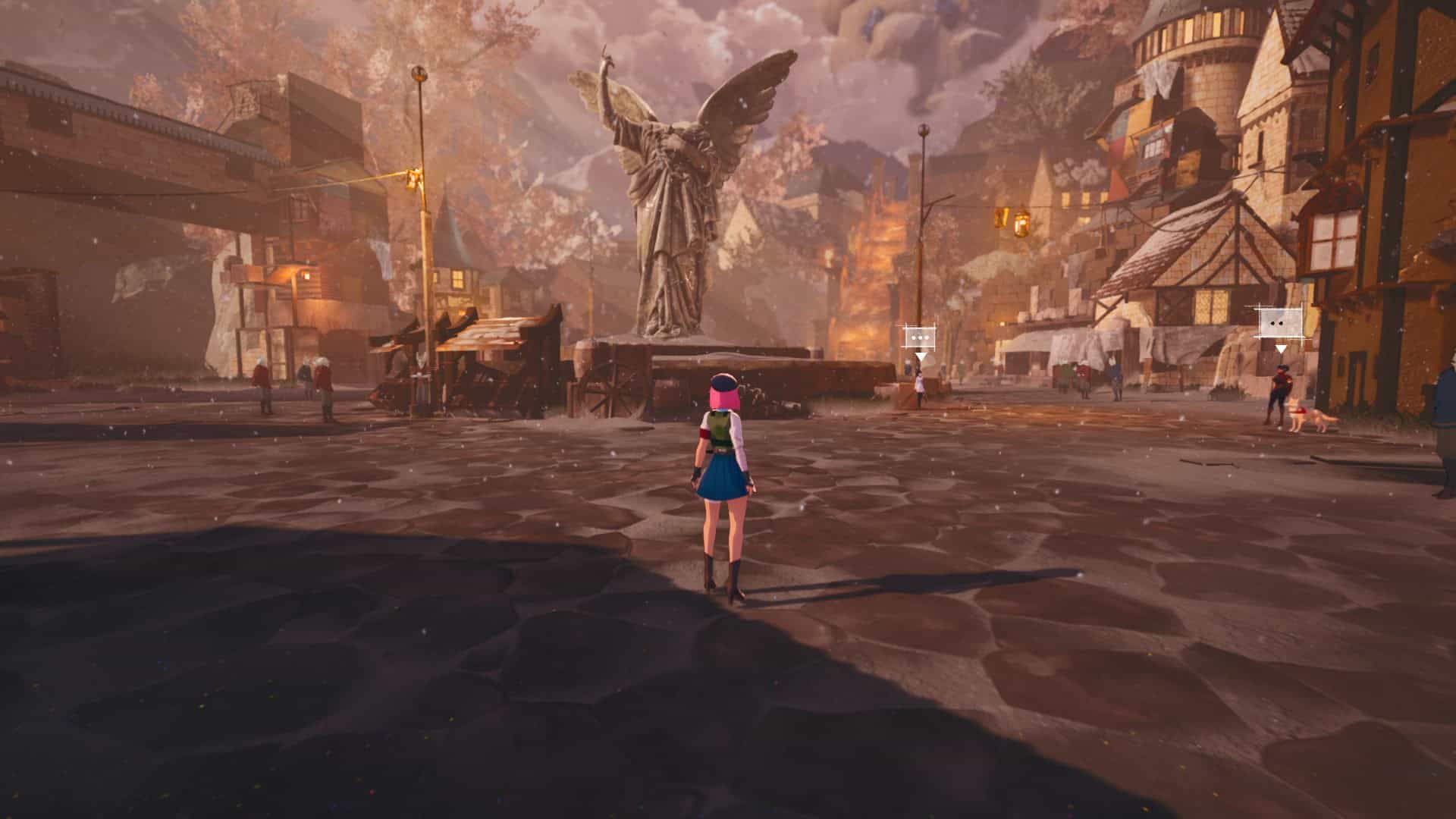
On presentation, the available sources are more positive than negative. iDream of Indie says the game opens with a beautiful anime cutscene and an interesting narrative setup. RPGFan says the aesthetics and concept were strong enough to overcome the reviewer’s usual resistance to roguelites and anime games. No Small Games compares the look to Genshin Impact, while the supplied media from The Outerhaven shows a soft, melancholy base camp that fits the post-apocalyptic magical-girl tone.
The art direction helps Kernel Hearts survive its rougher mechanical edges. Its Tower of Babel premise, angelic enemy language, ash-choked apocalypse, and pastel soldiers of war make for a memorable blend. The game’s best images are emotionally contradictory: cute silhouettes moving through a world built by militaries, gods, and ruins. That contrast is the reason the Nier-like roguelike label sticks, even when the combat does not fully match the grace of its inspirations.
Performance is harder to judge from the supplied material. RPGFan reviewed the PS5 version, and iDream of Indie lists PC, Switch 2, PS5, and Xbox Series platforms, but the sources provided do not establish frame-rate targets, resolution modes, PC requirements, or platform-specific stability results. The practical technical concerns documented here are about play feel: camera behavior, dodge responsiveness, traversal reliability, and repetition. Buyers should treat those as the main risk factors rather than assuming a confirmed optimization problem.
Audio is also underdocumented in the provided sources, so it is difficult to weigh the soundtrack or sound design with confidence. For a game so tied to melancholy and apocalypse, that missing detail matters. Nothing in the supplied material suggests audio is a standout selling point on the level of the premise or visual concept.
Verdict: a sincere tower climb for patient action-RPG fans
Kernel Hearts is an intriguing, uneven indie roguelike with a stronger soul than its roughest criticism suggests. Its best ideas are easy to identify: a tragic magical-girl war story, an open arena roguelike structure, a Sin Meter that gives exploration urgency, and a visual identity that turns apocalypse into something oddly delicate. Those pieces make it worth discussing beyond simple NieR comparison shorthand.
The weaknesses are equally clear. Siliconera’s concerns about dodging, lock-on camera behavior, and shrine-based friction line up with iDream of Indie’s complaints about clumsy traversal, thin hub design, and underwhelming combat. No Small Games and RPGFan are warmer on the full package, especially the open maps and compact scope, which makes this a divisive recommendation rather than an easy skip.
Buy it if you are drawn to ambitious small games, like action roguelites with open routing, and can forgive some jank in exchange for a strange world and sincere mood. Wait for a sale or patches if you demand crisp evasion, deep build variety, or polished character-action fundamentals. Kernel Hearts does turn its Nier-inspired combat, melancholic tone, and roguelike structure into a real game with its own pulse. It does not always turn them into a consistently smooth one.
Final Verdict
A solid gaming experience that delivers on its promises and provides hours of entertainment.