
Review
By The Completionist
Overview
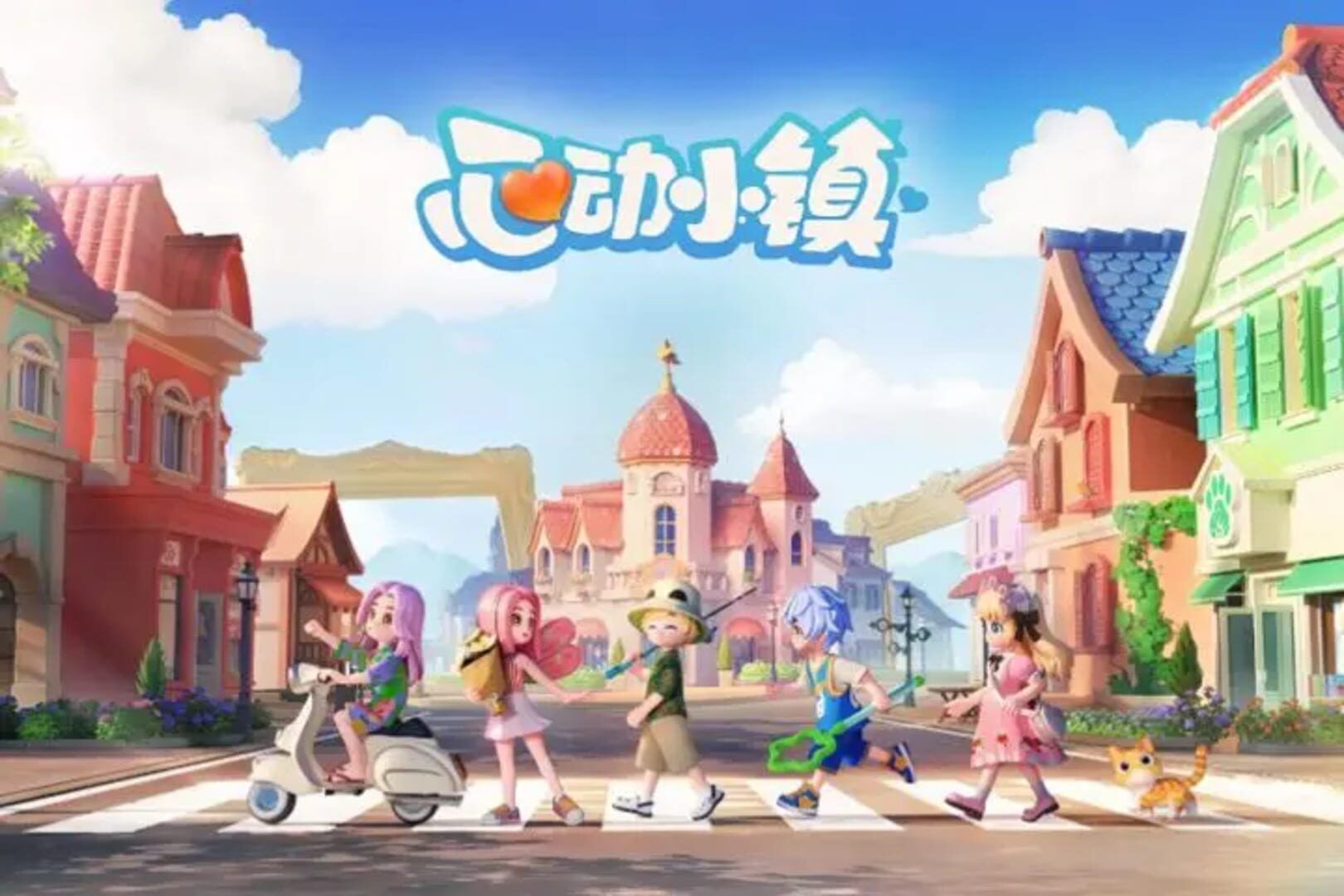
Heartopia arrives pitching itself as the ultimate always‑online cozy town, somewhere between Animal Crossing’s island charm and Stardew Valley’s laid‑back routine, but shared with dozens of other players at once. It launches on PC and mobile as a cross‑platform, free‑to‑play life sim where you design a town, decorate houses, pursue gentle hobbies, and build relationships with both NPCs and real players.
Across launch week, what stands out most is ambition. Heartopia chases the fantasy of a persistent, communal village that actually feels lived in. Sometimes it nails that feeling, especially when you are wandering through a bustling square of player‑made shops or stumbling into a fireworks festival. Other times the always‑online structure and monetization pull you out of the fantasy in ways Animal Crossing and Stardew never do.
Town Customization – Deep Tools, Shallow Foundations
If you simply want to fuss over interiors and outfits, Heartopia is generous. The build and décor tools are far closer to Animal Crossing: New Horizons’ late‑game freedom than its early, gated trickle of furniture. From day one you can shift walls, rotate furniture freely, recolor many items, stack decorations on shelves, and save multiple layout presets. There is also a robust outfit designer that lets you tweak patterns, palettes, and accessories with real granularity. For players who loved spending more time in New Horizons’ designer than actually catching bugs, this is a dream.
The town‑scale tools are more uneven. You act as the town’s developer, dropping paths, fencing, benches, trees, flowerbeds, stalls, and signage. The grid is loose enough that you can create organic‑looking streets instead of rigid tile lines, and terrain editing allows some modest elevation and water features. Compared directly to Animal Crossing, it feels liberating to get this level of power without weeks of real‑time grinding. Compared to Stardew‑likes, you get a more curated, less agricultural canvas, with farming pushed off to small plots instead of being the heart of the map.
Where it stumbles is persistence and identity. Because Heartopia is always online and sharded across instances, your town is less a bespoke island and more a shard in a giant server ecosystem. There is a main hub square that is shared with other players and then more personal districts that you customize, but the line between public and private space can feel fuzzy. You cannot completely reshape the town’s base layout the way you eventually can in New Horizons, and there are limits on how much clutter and custom décor you can place before the game quietly caps you for performance reasons.
During launch week, these limits pop up fast in busy towns. Public plazas full of player stalls look vibrant, but hit the object cap and suddenly your creative ideas get turned into a message about performance budgets. Stardew’s farm may be smaller, but it is yours, fully offline and fully under your control. Heartopia’s town tools are deeper than most mobile sims but rarely deliver the sense of ownership those analogues manage.
Social Systems – Cozy MMO Vibes With Real Emotional Hooks
The biggest differentiator from Animal Crossing and Stardew is social design. Heartopia wants to be a cozy MMO built on relationships. You have two parallel tracks: bonds with NPC residents and relationships with other players.
NPCs are closer to visual‑novel characters than background villagers. Each has friendship routes, schedules, and branching dialogue that reacts to your choices over time, including romantic paths with fully voiced, multi‑stage storylines. It pulls some inspiration from Stardew’s heart‑event structure but extends it into more frequent, smaller interactions. Instead of waiting days between big cutscenes, you get drip‑fed texts, meet‑ups, and little incidental conversations that slowly build a sense of history.
Against that, Animal Crossing’s villagers feel light, but they have one advantage: personality density. In Heartopia, most NPCs trend toward idealized, beautifully lit romance archetypes. If you enjoy that style, the game delivers. If you prefer the grumpy weirdos and oddballs that make Pelican Town and your Animal Crossing island feel truly distinct, Heartopia can seem squeaky clean to a fault.
Player‑to‑player systems are stronger. Matchmaking for activities is frictionless on both PC and mobile. It is easy to invite friends into your town, visit theirs, run hobby sessions together, or attend timed events like concerts and seasonal festivals. The chat tools are built around stickers, emotes, and light text rather than endless menus, which suits the cozy vibe. You can form long‑term groups that are basically guilds, complete with shared décor projects and community goals.
When a festival is in full swing and you see fireworks reflected off the water while half a dozen players in wildly different outfits dance, cook, and swap items, Heartopia finally looks like the “cozy MMO” promise trailers sold. Those moments are something Animal Crossing and Stardew simply cannot match without heavy manual organizing and external Discords.
The catch is that the social fabric lives or dies on population. In quieter regions or off‑peak hours, public spaces can feel like ghost towns, exposing how shallow many of the solo activities are. Stardew and Animal Crossing were built as single‑player first and feel rich even when you are alone. Heartopia is not there yet. Solo, its repetition shows quickly.
Monetization – Mobile First, PC Second
Heartopia launches as a free‑to‑play game on mobile and a low‑priced or free client on PC, and the design priorities are obvious from the first login. On phone or tablet, everything is routed through a sleek store layer. On PC, those same interfaces are present, just stretched across a bigger window.
The broad pitch is “cosmetics only, no stamina, no pay‑to‑win,” and to the game’s credit, there is no energy meter limiting how long you can fish, farm, or decorate in a session. Daily checklists exist but are light, more Stardew than mobile gacha. The problem is not what you cannot do, but how aggressively the game markets what you could look like if you spent more money.
Outfit sets, furniture packs, and seasonal passes are everywhere. NPCs are often wearing clothing lines that are only available through current cash shop bundles. Your starter home looks cozy enough, but almost every trailer‑level interior you have seen on social media is built with paid sets or items buried deep in slow‑burn free tracks. Animal Crossing and Stardew gate their prettiest things behind time and progression; Heartopia gates too much behind your wallet.
On mobile, this feels almost standard for the space, though still heavy. Push notifications call you back for store refreshes, crossover packs with real‑world brands or licensed IP dangle limited‑time items, and UI flows often end in a gem bundle prompt. For a cozy game ostensibly about slowing down and savoring moments, the constant retail noise is jarring.
On PC, it is harder to ignore. When you sit down at a desktop expecting a premium‑leaning life sim, seeing battle‑pass‑style tracks and rotating bundle banners undercuts the illusion of a peaceful village. It never crosses fully into exploitative territory, but it feels out of step with the tone set by Animal Crossing’s one‑time buy or Stardew’s zero‑microtransaction ethos.
The best thing Heartopia does here is avoid mechanical advantages for spenders. Your crops do not grow faster because you paid, your relationship routes do not unlock earlier, and your town limits cannot be bypassed with cash. The worst thing it does is make free players feel like permanent window‑shoppers in their own towns.
Technical Performance and Always‑Online Reality
Launch week for any always‑online game is a stress test. Heartopia holds up better than many mobile MMOs but falls short of the frictionless experience its aesthetic suggests.
On a stable PC connection, performance is usually strong. Frame rates stay high in solo spaces and stay acceptable in mid‑sized player gatherings. Controls feel snappy with keyboard and mouse, and controller support is serviceable if not particularly customizable. Disconnects happen, but outside of the first 48 hours server stability improves quickly, and rubber‑banding is rare.
The mobile story is more complicated. On modern phones, visuals are impressive, but the game is hungry for both battery and bandwidth. In crowded social hubs, frame rates plunge on mid‑range devices, with asset pop‑in and delayed player loading that make plazas feel like they are slowly assembling around you. If your connection wobbles, you are kicked to a login screen rather than gracefully dropped into a lighter solo instance.
This always‑online requirement affects more than performance. Where Animal Crossing lets you play offline on a plane and Stardew survives at 1 percent phone battery on a handheld PC or Switch, Heartopia simply will not function without a steady connection. Even decorating your own house or chatting with NPCs pings the servers. For players who treat cozy games as comfort blankets during commutes, travel, or patchy Wi‑Fi evenings, this is a real loss.
At scale, you also feel the compromises. Object caps exist to keep crowded towns from tanking frame rates. Instancing splits large events into parallel versions rather than truly massive gatherings. Cross‑platform play works most of the time, but party members on weaker phones lag behind during shared cutscenes or miss emotes because animations do not sync perfectly. Nothing here is catastrophic, yet taken together it reinforces that the tech is constantly fighting to keep up with the social fantasy.
How It Really Compares To Animal Crossing And Stardew Valley
Stacking Heartopia directly against Animal Crossing and Stardew‑likes surfaces a clear trade‑off. Heartopia beats them on immediacy and shared presence, but loses ground on warmth, ownership, and permanence.
Compared with Animal Crossing, you get far faster access to powerful decorating tools and more freedom in interior design. Shared towns and public hubs create water‑cooler moments you only saw in Nintendo’s series during carefully arranged online sessions. On the other hand, Animal Crossing’s island is a fixed, tangible place that exists whether or not the servers are up. Its villagers have a hand‑crafted charm Heartopia’s prettier but safer cast lacks, and the absence of microtransactions lets every new sofa or coat feel earned instead of bought or marketed.
Against Stardew Valley and its many descendants, Heartopia is the more social, less systemic experience. Stardew’s rhythms of planting, harvesting, mining, and festivals build a cozy game with teeth, where seasons matter and your choices add up to a unique farm. Heartopia offers a softer loop, leaning more on social events and character stories than on long‑term planning. If you come to cozy sims for satisfying progression and offline escapism, Stardew‑likes remain a better fit.
If you come for dressing up, screenshotting, and hanging out, Heartopia edges ahead, as long as you accept the free‑to‑play trimmings.
Verdict
Heartopia’s launch paints a picture of a confident, social‑first cozy sim that understands what makes screenshot culture tick. Its decorating and avatar tools are delightfully flexible, its relationship systems have more narrative meat than Animal Crossing’s, and when servers, friends, and festivals all line up, it delivers a kind of low‑stakes MMO magic the genre has been chasing for years.
At the same time, an always‑online backbone, mobile‑first monetization, and technical compromises nibble at that magic. The town you curate never feels quite as fully yours as a Stardew farm or Animal Crossing island, and the cash shop is far more present than the tone suggests.
If you treat Heartopia as a cozy social network with game systems attached, it is one of the more compelling spaces to idle in during launch week. If you want a timeless, offline life sim to retreat into, it is hard to recommend over its inspirations. Heartopia is charming, sometimes even special, but it is built on shifting servers and seasonal stores rather than on the quiet permanence that made Animal Crossing and Stardew Valley modern classics.
Final Verdict
A solid gaming experience that delivers on its promises and provides hours of entertainment.