
Review

By Apex
A bite‑sized blackout
Hank: Drowning On Dry Land is up‑front about what it is. The Steam page estimates about thirty minutes of play, and that is accurate even if you poke into a few side paths. This is not a “short for an evening” game, it is short for a coffee break.
That extreme brevity would sink a lot of narrative adventures, but here it works because the team is chasing a single, very specific emotional beat. You are not meant to live in this world for hours. You are meant to be dropped into Hank’s spiraling night, ride the loop until it clicks, then be spat back out with that one feeling still ringing in your ears.
Capturing a moment between barstool and oblivion
Hank is pitched as a drunk, washed‑up vigilante, a kind of Saturday‑morning Batman who never sobered up. The story traps him in a time‑loop set across a handful of locations, all cast as frames from a grimy comic book. Dialogue leans into banter and snark, but the real target is that bruised, late‑night clarity when bravado runs out and regret starts talking.
Structurally, it plays like a tightly edited single issue. Scenes snap past quickly, new wrinkles in the loop arrive just fast enough to keep you engaged, and the final pass through the timeline lands with a clean emotional payoff. It is less about twists and more about inevitability, about watching this stubborn idiot try to out‑punch a situation that really needs honesty rather than heroics.
The writing mostly sticks the landing. Hank is caustic without being insufferable, and the villain’s wordy monologues underline the game’s themes of control, consequence and wasted time. There are a few lines that swing a little too broad, but for a game this small it is impressive how clear and focused the voice feels.
Atmosphere over mechanics
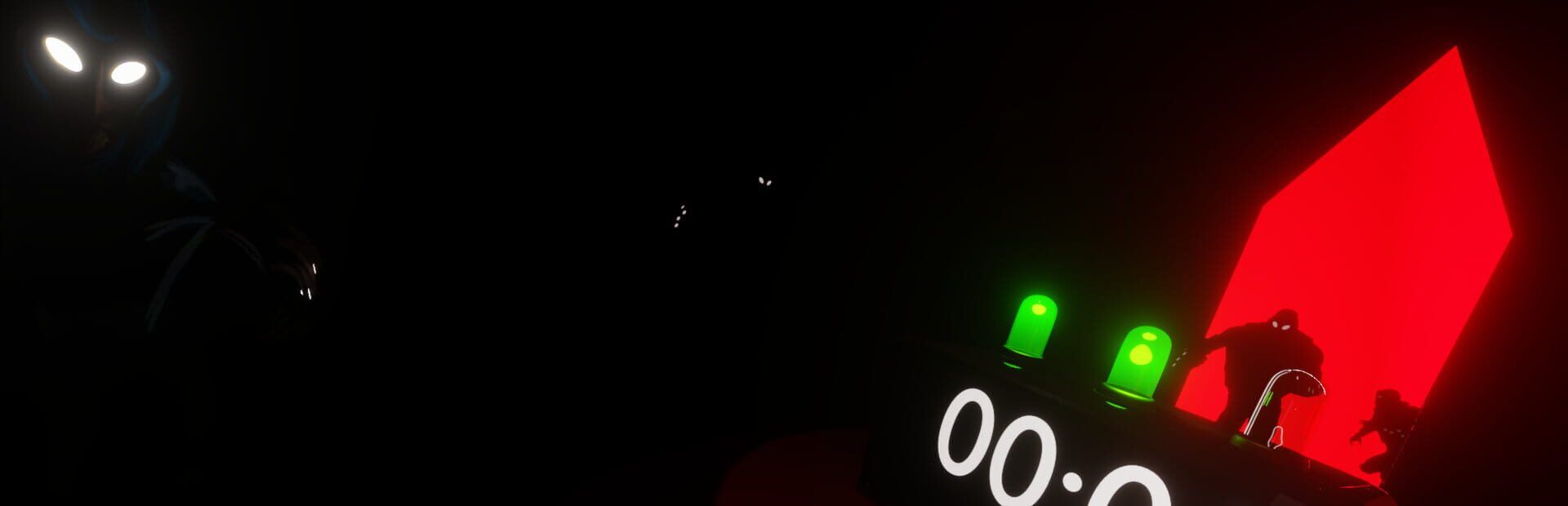
Presentation does an outsized amount of the work. The 2.5D comic‑panel aesthetic gives every scene a strong silhouette, with thick inks, high‑contrast colors and a city that looks permanently soaked in neon rain and spilled liquor. It feels like picking up a cult graphic novel and finding it strangely more sincere than the cover suggests.
Sound design pushes that impression further. The score sits in a moody space between noir and Saturday morning action, all while a subtle layer of ambience and effects keeps the time‑loop shifts from ever feeling sterile. The voice acting is particularly strong, selling both the swagger and the insecurity underneath it. Hank sounds like someone who has talked himself into bad decisions for years.
That audiovisual cohesion is what lets the game capture its intended emotional ‘moment.’ When the loop finally resolves and the last scene plays out, you are not remembering a clever puzzle solution so much as a mood: the thick hangover air of a life squandered, distilled into a single night.
Minimalist gameplay that mostly earns its keep
As an actual game, Hank is very light. You walk, you interact with a few objects, you make simple choices, and you manipulate time in ways that are more about sequencing events than solving traditional puzzles. There is no combat, no fail‑state in the usual sense, and very little friction.
The time‑travel gimmick is clever rather than complex. You replay slices of the same evening with your future and past actions intersecting, nudging conversations and events into new arrangements. It feels satisfying on a narrative level, because you are literally rewriting Hank’s worst night, but if you are hoping for brain‑bending puzzle design, this never really gets there.
That said, the minimalist approach fits the game’s goal. There is just enough interaction to make you feel complicit in Hank’s choices without dragging the pace down. The loop never overstays its welcome, and the design avoids padding for the sake of bragging about playtime. In a genre full of pointlessly stretched walking simulators, the restraint is welcome.
The trade‑off is that once you have seen the ending, there is almost nothing left to discover. A second run reveals a couple of alternate lines and angles on scenes, but the emotional arc is essentially a one‑shot.
Is thirty minutes worth the asking price?
On PC, Hank: Drowning On Dry Land is priced in the tiny‑indie bracket. At launch it sits around three dollars, and it regularly dips below that in sales and bundles. That matters, because expectations for value with a half‑hour game can be all over the place.
For that price, what you are really buying is a short graphic novel that happens to be interactive. Judged that way, it largely justifies the cost. The art direction is distinctive, the performances are strong, the time‑loop framing is smartly executed, and the emotional beat lands cleanly. Many comics or digital shorts in this tone cost as much or more without giving you any agency at all.
If you go in expecting a fuller adventure or a night‑long puzzle box, you will feel short‑changed, because this is absolutely not that. The runtime is exactly as advertised, the mechanics are deliberately thin, and the ending closes the book rather than inviting replays.
Verdict
Hank: Drowning On Dry Land is a compact, confident slice of noir melancholy that understands its own limits. It sets out to capture one specific feeling, in one broken night, and it succeeds through sharp direction and a strong sense of style. The price lines up well with the scope, provided you treat it like an interactive one‑shot comic rather than a full‑blown adventure.
If you are the kind of PC player who values mood, storytelling and a focused emotional punch over hours of systems, this is an easy recommendation at asking price. If you measure value strictly in playtime or mechanical depth, Hank’s brief, boozy spiral will probably feel like a nice trailer for a longer game that does not exist.
Final Verdict
A solid gaming experience that delivers on its promises and provides hours of entertainment.