
Review

By Big Brain
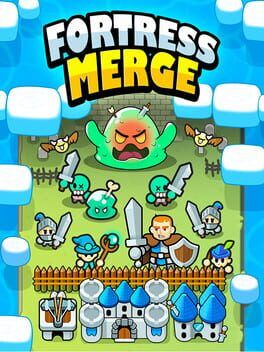
Image: IGDB
Store links: Fortress Merge on Steam
A smart strategy loop, wrapped in a very visible free-to-play shell
The clearest tension around Fortress Merge is already there in TheXboxHub’s September 13, 2026 review: the outlet scored it 3.5 out of 5 while noting that it is easy to sneer at the game because it is open about its mobile roots and, as a free-to-play release, clearly tempts players to spend. That framing matters because Fortress Merge lives or dies on whether its core decisions can survive the habits of mobile progression design.
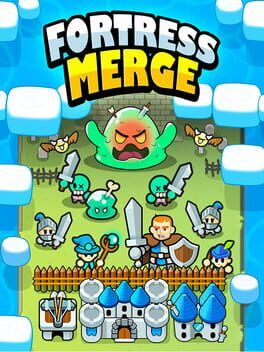
On the evidence available, the answer is yes, with caveats. Fortress Merge is a tower defense merge game built around preparation windows, wave pressure, and incremental building upgrades. Unofficial APK listings describe the game as Fortress Merge: Puzzle Defense and outline the central loop: monsters advance toward your home, each level contains more than three waves, and the pause between waves gives you time to find matching pieces and merge them into stronger structures. Two identical pieces become an upgraded building, which is the kind of rule that sounds simple until the board state, enemy pacing, and resource economy start forcing ugly choices.
That is where Fortress Merge is at its best. It is a merge strategy game that understands the appeal of small optimizations. You are not simply watching towers fire. You are asking whether a merge now strengthens the lane that is already failing, whether saving pieces for a higher-tier structure is worth the risk, and whether your next upgrade is a tactical correction or a greedy long-term investment. The problem is that the surrounding monetization and progression signals make it hard to ignore the possibility that some of those decisions are being tuned around friction rather than strategy.
The merge system works because it turns downtime into planning
The most promising design detail in the source material is the between-wave structure. According to the LiteAPKs listing, preparation ends before the monsters arrive, and the gap between waves is when players search for pieces and upgrade buildings. Treating that listing as an unofficial description rather than publisher documentation, it still lines up with the kind of decision economy Fortress Merge appears to be chasing: a short tactical draft before the next enemy check.
That rhythm is important for a strategy puzzle review because many merge games collapse into autopilot. Matching identical pieces is satisfying, but without pressure it becomes housekeeping. Fortress Merge gives the merge action a defensive consequence. If you overcommit to one building path, you may leave a second approach underpowered. If you merge too quickly, you may reduce board flexibility. If you hold too long, the next wave may punish your patience.
The good version of this loop is a compact strategy exercise. You read the battlefield, convert duplicates into higher-value defenses, and try to keep enough tactical elasticity to respond to the next wave. The weaker version is a treadmill, where the correct answer is simply to make the biggest number larger. Fortress Merge lands closer to the former when the wave timing forces lane triage and closer to the latter when progression demands overwhelm positioning decisions.
That push and pull is why the game works as a time sink. The actions are fast, the stakes are readable, and each merge has the potential to feel like a plan rather than a reflex. It is also why balance is so fragile. A merge system like this needs failure to feel earned. If a level feels tuned to sell relief through rerolls, skips, or acceleration, the tactical satisfaction drains quickly.
Defense planning has enough bite, but the economy is the real opponent
Fortress Merge’s defensive layer appears to be built around survival against waves rather than open-ended base building. The LiteAPKs description says enemies rush toward your house and that letting them in means defeat. It also describes asset management as part of the game, with resources used to repair and upgrade the fortress. That gives the game two clocks: the immediate clock of the next wave and the longer clock of whether your upgrade economy is keeping pace.
That dual pressure is good strategy design. A strong tower defense merge game should make the player feel the cost of every improvement. Repairs keep you alive but can delay offensive scaling. Upgrades improve future waves but may leave you exposed in the present. Merging can consolidate strength but may reduce the number of active defensive options. These are familiar strategy questions, yet Fortress Merge packages them in a compact format that suits short sessions.
The concern is how cleanly the economy respects those decisions. TheXboxHub’s review text explicitly flags the game as free-to-play and tempting players to spend. Unofficial mod APK pages list altered features such as free rerolls, free skill or unit upgrades, higher rewards, no ads, and infinite skip items. Those mod-page claims are not official feature lists, and we do not recommend downloading modified APKs. Still, the very features being advertised as bypasses point toward the pressure points players are likely to feel: reroll costs, upgrade gating, ad interruptions, reward pacing, and skip systems.
That does not automatically make Fortress Merge cynical. Free-to-play strategy can work when monetization sits around convenience, cosmetics, or optional acceleration. It becomes a problem when the game’s puzzle solving is gradually replaced by a question of how much friction the player will tolerate. Fortress Merge has the skeleton of a smart defense game, but its long-term health depends on whether the economy lets good planning beat the curve often enough.
Progression is sticky, sometimes in the wrong way
The progression hooks in Fortress Merge are straightforward and effective. Stronger structures, visual upgrades, stage rewards, and higher-tier defensive tools are all mentioned in the unofficial mobile listings. The language there is messy, but the outline is clear: keep merging, keep strengthening the fortress, keep collecting rewards, and keep pushing into harder encounters.
As a retention machine, that setup is reliable. Every run gives the player a near-term target. A weak structure becomes a stronger one. A close wave suggests a specific upgrade need. A reward screen hints that the next attempt will be cleaner. Fortress Merge understands the appeal of incremental mastery, especially for players who enjoy strategy games that can be played in short bursts without requiring a full campaign map or an hour-long build order.
The downside is repetition risk. Merge-based progression needs meaningful variety to stay sharp. Different enemy behaviors, distinct building roles, and real tradeoffs between upgrade paths are what keep the meta from calcifying. One Google Play listing included in the source pack is for Merge Clash: Tower Defense TD rather than Fortress Merge, so it should be treated as genre context only. That listing advertises random tower merging, boss abilities, deck-building, co-op, and PvP, and user feedback on that page complains about tower diversity, timed chests, and content depth. Those are not Fortress Merge complaints, but they identify the exact traps this subgenre often falls into.
Fortress Merge avoids some of that by centering the fortress defense fantasy rather than competitive multiplayer. It still needs enough enemy and structure variety to keep the merge puzzle alive. If the optimal pattern becomes obvious too early, progression turns from strategy into maintenance. If future patches expand building identities, enemy counters, and reward pacing, the game has room to develop a stronger long-term meta.
Platforms, availability, and the awkward source picture
The available storefront and review trail is incomplete, so buyers should be careful about assumptions. TheXboxHub filed Fortress Merge under Xbox Series X reviews and published its scored review on September 13, 2026. A Steam page exists for Fortress Merge at app ID 4636030, but the provided Steam source excerpt does not include a price, release date, system requirements, developer name, publisher name, Steam Deck status, user review average, or supported feature list.
That leaves some practical questions unanswered. We can say there is evidence of Xbox Series X coverage and a Steam listing. We cannot confirm from the supplied Steam excerpt how the PC version is priced, whether it is released or pending, what its performance profile is, or whether the Steam build differs materially from mobile-style releases. The source pack also includes third-party APK and mod APK pages that list version 0.9.2 and a 105 MB size, but those are unofficial distribution pages and should not be treated as authoritative availability or update information.
For players, the practical advice is simple: use official storefronts. The presence of mod APK pages is useful as a signal about the kinds of friction players may try to bypass, but it is not a safe or reliable way to evaluate or obtain the game. If you are considering Fortress Merge on console or PC, check the live Xbox or Steam listing for current price, platform features, controller support, and any user-review pattern around ads, spending pressure, or progression walls.
Performance is similarly difficult to score with precision from the provided material. The game’s structure does not suggest a technically demanding release, but that is an inference, not a confirmed benchmark. Our performance score reflects the apparent simplicity of the presentation and platform targeting, tempered by the lack of supplied hard data on frame rate, load times, crash behavior, or PC requirements.
Verdict: a clever strategy puzzle with monetization always in view
Fortress Merge succeeds when it treats merging as a tactical commitment rather than a mindless upgrade animation. The wave structure gives each preparation phase purpose, the fortress defense framing makes upgrades easy to understand, and the progression loop has the familiar pull of a good mobile strategy time sink. For players searching for a compact merge strategy game, there is enough here to justify curiosity.
The hesitation comes from the economy. TheXboxHub’s 3.5 out of 5 review already flags the free-to-play temptation, and the unofficial mod listings orbit around rerolls, ads, skips, rewards, and free upgrades. Those are exactly the systems that can distort a strategy game if balance leans too heavily toward monetized relief. Fortress Merge is at its smartest when a loss sends you back to rethink merges and defensive priorities. It is at its weakest when the surrounding structure makes you wonder whether the cleaner answer is patience, payment, or bypassing friction.
As a buyer’s guide recommendation, Fortress Merge is best for players who enjoy short-session strategy puzzles, tower defense escalation, and steady incremental upgrades. It is less appealing if you have low tolerance for free-to-play pacing, repeated reward loops, or progression systems that may ask for time as much as skill. I would try it through an official store before spending, watch for how quickly rerolls and upgrades become pressured, and wait for clearer PC storefront details if Steam is your preferred platform.
Score: 7 out of 10. Fortress Merge is a smart tower defense merge game with a solid tactical core, but its long-term appeal depends on whether future balance and progression tuning support strategy better than friction.
Final Verdict
A solid gaming experience that delivers on its promises and provides hours of entertainment.