
Review
By Pixel Perfect
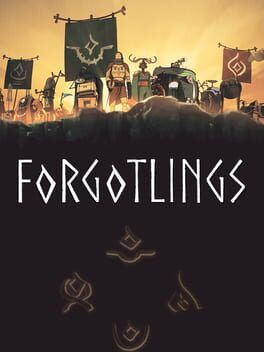
Image: IGDB
Store links: Forgotlings on Steam
A quiet Xbox arrival with a handmade hook
The most concrete thing to know going into Forgotlings is that it has arrived as a reviewed Xbox Series X release with a 4/5 assessment from TheXboxHub, published on August 23, 2026. That matters for a small adventure like this because the game’s greatest risk is visibility. TheXboxHub’s own social description put it plainly, saying it feared the world had forgotten Forgotlings while suggesting it could still work its way into players’ hearts.
That tension defines this Forgotlings review. This is an indie adventure built around delicacy, hand-drawn craft, and a soft sense of discovery, released into a market where louder games often occupy the front page. It does not compete through mechanical volume or spectacle. It competes through texture: a storybook world, small emotional beats, and puzzles that behave like breath marks between scenes rather than hard stops.
The result is easy to admire and slightly easier to drift away from if you need constant mechanical escalation. Forgotlings is at its best when you let its pace settle, watch the animation, and treat each screen as a painted space with a little mystery tucked inside it. It is less successful when its gentleness turns into waiting, or when the rhythm of exploration asks for patience without giving you a fresh idea in return.
The Forgotten Lands remain a strong premise
The confirmed setup comes from NAG’s online republication of its Annual Edition 2024 feature, which describes Forgotlings as a sequel to Forgotten Anne from Throughline Games. NAG frames the game around the Forgotten Lands, a realm where discarded and forgotten objects become sentient beings. Its account points to warring tribes, a looming catastrophe, and the need to forge alliances across a world populated by abandoned toys, lost treasures, and fragments of memory.
That premise is still the game’s strongest narrative engine. Forgotlings understands the emotional usefulness of an object with a history. A forgotten thing already carries a question: who left it behind, what did it mean, and what does it become when nobody is looking? Throughline’s concept gives the world an immediate melancholy without forcing every scene to explain itself.
In play, the story works best when it trusts those objects to be characters before they are lore. The small cast members feel like pieces of a larger emotional map, and the game’s softer tone lets its conflicts land without flattening them into simple whimsy. NAG quoted creative lead Alfred Nguyen describing the project as “a whimsical exploration of forgotten dreams that come alive,” and that is an accurate north star for the finished feel. Forgotlings is tender, occasionally wistful, and strongest when it lets curiosity do the pulling.
A storybook presentation that earns the attention
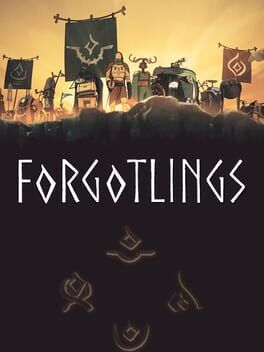
NAG’s feature highlights thousands of hand-drawn frames and compares the visual impression to a Studio Ghibli-like animated world. It also quotes Nguyen saying Throughline wanted to create something that feels like “a living painting,” and that ambition is visible in the way Forgotlings carries itself. This is the part of the game least likely to need defending.
The art direction gives Forgotlings its identity before the first puzzle has time to settle. Character silhouettes have the pleasing oddness you want from a world of revived objects, while backgrounds often feel composed with the patience of illustration rather than the efficiency of level tiling. It makes the Forgotlings game pleasant to inhabit even when the immediate interaction is simple.
That presentation also affects how the slower sections play. A plain adventure with this pacing might feel thin. Forgotlings can afford more quiet because its screens have personality and because its animation sells the idea that these little beings exist beyond the player’s input. The atmosphere does real labor here. It softens repetition, adds warmth to traversal, and gives the game a distinct shelf presence among 2026 indie releases.
There is a tradeoff. When a game leans this hard on illustrated charm, any stretch with limited interaction becomes more noticeable. The handmade look carries the player a long way, but it cannot fully disguise every lull. Still, if your interest in indie adventure games starts with mood, worldbuilding, and craft, Forgotlings is immediately legible as a special object.
Puzzle rhythm favors flow over friction
Forgotlings is described by NAG as an expansive open-world, Metroidvania-style adventure, which sets an expectation of routes, gating, backtracking, and gradual understanding. In practice, its puzzle rhythm is gentler than that label may suggest. The game rarely feels designed to trap you in one room until you reverse-engineer a designer’s private logic. Its puzzles mostly regulate tempo, guiding attention from character moment to environmental clue to the next piece of movement.
That approach suits the tone. Forgotlings does not need brutally clever puzzle boxes to succeed, and it would probably lose some of its warmth if every step became a test. Its best sequences make you feel as if you are helping the world unfold rather than solving it from the outside. A nudge here, a route reconsidered there, a small environmental interaction that makes the next screen feel earned: that is its sweet spot.
Players looking for a dense puzzle-platformer may find the cadence too mild. The challenge is more about noticing and continuing than wrestling with systems. As an indie adventure review judgment, that is both praise and warning. Forgotlings is accessible and graceful, but its mechanical bite is modest. The puzzles keep the pages turning; they rarely make you stop and stare at the page in triumph.
The pacing issue is real, but the mood often wins
Forgotlings’ biggest weakness is the same quality that gives it much of its charm: restraint. The game likes pauses. It likes atmosphere. It likes the feeling of crossing through a world with old sadness in its corners. Most of the time that restraint gives the adventure its voice. Sometimes it turns into slack.
The slower patches stand out because the game is otherwise so carefully presented. When a puzzle step is obvious, when a route asks for a little too much quiet movement, or when a narrative beat lands softly without a strong interactive follow-up, the spell thins. This is where players who prefer brisk platforming or high-density Metroidvania design may bounce off.
Even so, the atmosphere offsets the pacing issues more often than it fails to. Forgotlings has enough visual intent and narrative tenderness to make its slower passages feel like part of the journey rather than empty padding. It asks for a receptive mood. If you arrive wanting fast combat, constant upgrades, or hard mechanical friction, the game will feel too delicate. If you arrive wanting a strange, hand-drawn world with a heart under the floorboards, its patience becomes easier to meet halfway.
Xbox buyer guidance and source limits
For readers searching for a Forgotlings Xbox review, the platform detail supported by the supplied review source is Xbox Series X coverage: TheXboxHub filed its review under Xbox Series X Reviews. The provided materials do not include a confirmed price, full platform list, install size, storefront feature set, accessibility menu details, or technical specification sheet, so those should be checked directly on the relevant store page before purchase.
Based on the review experience, Forgotlings is easiest to recommend to players who value presentation, story tone, and exploratory pacing over mechanical intensity. It is a good fit for fans of narrative-led indie adventures and players curious about Throughline Games’ return to the Forgotten Lands after Forgotten Anne. NAG’s context is useful here because it positions Throughline as a studio built around animation and storytelling, with Forgotten Anne previously emphasizing a seamless journey through the Forgotten Lands.
If you are buying for challenge, wait for more player impressions or a sale. If you are buying for atmosphere, hand-drawn animation, and a gentle adventure structure, Forgotlings is much easier to endorse at launch. Its weaknesses are not hidden, but they are bound to taste. This is a soft-spoken game, and soft-spoken games need the right room.
Verdict
Forgotlings succeeds because its world feels lovingly remembered even when its inhabitants are built from forgotten things. Throughline Games’ storybook presentation, melancholic premise, and gentle puzzle rhythm create an indie adventure with a clear identity. Its pacing can sag, and players looking for sharper challenge may find the design too mild, but the atmosphere carries enough emotional weight to make the journey worthwhile.
As a Forgotlings review score, an 8 feels right: warm, visually memorable, occasionally slow, and quietly affecting. It is not the most forceful indie adventure of 2026, but it is one of the easier ones to root for.
Final Verdict
A solid gaming experience that delivers on its promises and provides hours of entertainment.