
Review

By Night Owl
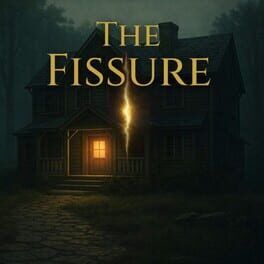
Image: IGDB
Store links: Fissure on Steam
A small horror release with a surprisingly messy footprint
The Fissure arrived on July 8, 2026, according to TheXboxHub’s launch coverage, with the outlet listing Xbox, PC, Xbox Play Anywhere, PlayStation, and Nintendo Switch availability for the atmospheric mystery. That broad platform spread is the clearest practical fact around the game, and it creates the first tension around this The Fissure review: the game itself is built around uncertainty, but its public listings are uncertain too.
IGDB currently identifies The Fissure as a full-release adventure game on Nintendo Switch, describes it as an atmospheric visual novel about investigating an old family home, and lists it as single-player. IGDB’s page does not name a developer or publisher. TheXboxHub’s coverage, meanwhile, frames the release much more widely across console and PC, including Xbox Play Anywhere. Those sources are not saying the same thing, so buyers should treat the broader platform claim as coming from TheXboxHub’s launch report and the narrower Switch listing as IGDB’s current database entry rather than assume both are complete.
That gap matters for a small indie horror game because store visibility, platform tagging, and publisher identity all affect how easily players can check pricing, refunds, updates, and technical support. The supplied material does not include a price, a Steam page for The Fissure, system requirements, or named studio credits. This review therefore focuses on the experience described by the available coverage and on the central buyer question: does The Fissure turn its dark mystery into sustained dread, or does it drift too often into a slow, uneven waking dream?
The premise is stronger when the house is allowed to stay wrong
The strongest idea in The Fissure is simple and familiar in the right way: return to, or investigate, an old family home and realize that memory is no longer a safe map. IGDB’s description points to a mystery in an old family home, while TheXboxHub’s launch article says the game wants players to question what they remember and highlights multiple endings. Those confirmed details place The Fissure closer to psychological horror and visual-novel mystery than to resource-starved survival horror.
That distinction is important. Players coming in from a sci-fi horror game review search may expect stalking enemies, inventory pressure, scarce ammunition, or the constant threat management that defines games such as Alien: Isolation, which GameSpot’s horror list cites as a high-scare survival-horror benchmark built around an ever-present predator. The Fissure is not framed that way in the provided sources. It is presented as atmospheric, narrative-led, single-player, and choice-driven, with fear rising from implication rather than combat.
When The Fissure leans into that lane, it has the outline of an effective nightmare. A family home is a good horror space because it turns comfort into suspicion. Every corridor can feel remembered incorrectly. Every object can carry personal history without needing a monster to explain it. The question is whether the writing, pacing, and interaction keep tightening that pressure. Based on TheXboxHub’s 3/5 review classification and its verdict-style summary that the game has uneasy building tension but does not pay off particularly well, The Fissure seems to understand how to begin a haunting better than it knows how to finish one.
Atmosphere carries the first half, but dread needs escalation
The Fissure is at its best as a mood piece. TheXboxHub’s review teaser specifically notes an uneasy, building tension, and that is the kind of praise that tells horror players where the game’s strength lies. This is the slow-burn register: dim rooms, half-trusted recollections, and a sense that the next scene may clarify the mystery or make it worse.
The problem with slow-burn horror is that it still has to burn. Atmosphere can hold attention for a while, especially in a visual novel where the player is already primed to read closely and sit with ambiguity. But if scenes repeat the same emotional temperature, the dark becomes decorative. TheXboxHub’s “More Waking Dream than Horror” subheading is a useful warning sign. A waking dream can be eerie, but it can also soften danger. If everything feels abstract, the player may stop bracing for consequence.
That is where The Fissure appears to struggle. It can produce bumps in the night, as TheXboxHub puts it, but the same source says the tension does not pay off particularly. For horror buyers, that is a meaningful distinction. A game can be creepy without being frightening, and The Fissure sits in that borderland. It has a premise suited to dread and a presentation built for quiet unease, yet the pressure does not seem to sharpen into the kind of sustained fear that would make it easy to recommend to players seeking a hard horror hit.
Puzzle friction and visual-novel pacing pull against the fear
The Fissure’s structure creates a familiar indie horror tradeoff. Visual novels can do intimacy, unreliable narration, and branching outcomes extremely well. TheXboxHub’s launch coverage confirms multiple endings, which suggests the game wants player choice and interpretation to matter. But when a horror visual novel also asks players to investigate, its puzzles and pacing need to feel like part of the psychological trap rather than pauses between story beats.
Here, the balance feels uneven. The mystery premise asks for momentum: discover a detail, doubt your memory, pursue the next contradiction. When puzzle design becomes too opaque or too perfunctory, that rhythm breaks. A puzzle that is too thin feels like busywork. A puzzle that is too fussy drains the scene of fear because the player stops listening to the room and starts wrestling with interface logic. The Fissure’s atmosphere can survive some of that, but horror rarely benefits from long stretches where dread is put on hold.
This is the practical reason I would steer some players toward caution. If you enjoy narrative horror primarily as a mood and interpretation exercise, the slower cadence may be acceptable. If you need puzzle-solving to escalate tension, force hard choices, or reveal character through pressure, The Fissure is less convincing. It has the bones of a haunted mystery, but its interactive beats do not consistently tighten around the player.
Audio and presentation know how to whisper, not always how to wound
For a game operating in this register, sound is doing much of the survival work even without conventional survival mechanics. The Fissure does not need ammunition counters or an enemy patrol route to create pressure if its audio can make the player mistrust silence. TheXboxHub’s note about bumps in the night suggests the game does find moments where small disturbances land.
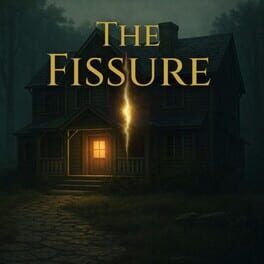
That said, whispers only carry horror so far. The Fissure’s presentation appears designed around atmosphere rather than spectacle, which suits its visual-novel identity and old-house mystery framing. The cover art listed through IGDB supports that intimate, ominous positioning rather than selling action-horror excess. The advantage is focus: the game can narrow the player’s attention to text, memory, and environmental unease. The risk is sameness: if the audiovisual palette remains at a constant murmur, the player adapts.
As a horror specialist, I value restraint, but restraint still needs contrast. A long corridor is scarier when the game has taught you that something can change. A quiet room is more powerful when silence feels chosen rather than default. The Fissure’s best moments seem to come from suggestion, but its weaker stretches appear to lack the aggressive escalation that would make those suggestions linger after the screen goes dark.
The Xbox angle is useful, but platform details remain too thin
TheXboxHub reviewed The Fissure under its Xbox Series X review coverage and assigned it a 3/5 category score. That makes the Xbox version the clearest reviewed reference point in the supplied material and gives this The Fissure Xbox review a practical anchor. The outlet’s launch story also says the game supports Xbox Play Anywhere, which would usually be a meaningful benefit for players who move between console and PC within the Xbox ecosystem.
Still, the surrounding purchase information is incomplete in the provided sources. There is no confirmed price in the material, no file size, no performance mode information, no accessibility breakdown, no achievement details, and no developer or publisher listing from IGDB. There is also a platform-listing mismatch between TheXboxHub’s broad launch report and IGDB’s Switch-only platform entry. None of that proves a problem with the game itself, but it does mean buyers should check the relevant storefront directly before purchasing, especially if they are looking for a specific platform version.
Performance is harder to judge from the available documentation. The Fissure’s visual-novel format should, in theory, carry fewer technical risks than a systems-heavy 3D horror game, but that is an expectation based on format, not a confirmed technical result from the supplied sources. The safe guidance is simple: Xbox players have the most direct review context through TheXboxHub, while players on PlayStation, Switch, and PC should verify store details and user reports before buying if performance or feature parity matters to them.
Verdict: an eerie mystery that never fully closes its hand
The Fissure has the right ingredients for a chilly indie horror review recommendation: an old family home, unstable memory, multiple endings, and an atmosphere that TheXboxHub says builds unease. It is also clearly positioned as a visual-novel-style adventure rather than a combat-driven survival horror game, so players should judge it by its tension, writing, pacing, and puzzle integration rather than by enemy design or resource pressure.
On those terms, it lands as a guarded recommendation. The premise pulls you in, the mood has texture, and there are enough nocturnal jolts to justify attention from fans of small-scale psychological horror. But the pacing does not keep tightening, the puzzle design can blunt the mood, and the available critical signal from TheXboxHub’s 3/5 review points to a game whose dread builds better than it resolves.
Buy The Fissure if you want an atmospheric, single-player mystery that behaves like a haunted visual novel and you are comfortable with ambiguity, slower scenes, and uneven payoff. Wait for a sale or more platform-specific impressions if you want sharper scares, stronger puzzle craft, or clearer storefront information. As a dark sci-fi-tinged mystery, it has a cold pulse. As horror, it too often lets its grip loosen before the fear can bruise.
Final Verdict
A solid gaming experience that delivers on its promises and provides hours of entertainment.