
Review

By The Completionist
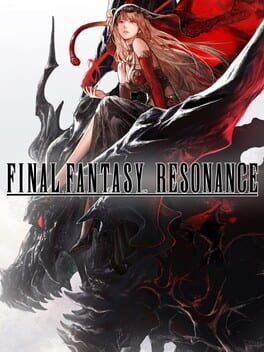
Image: IGDB
Store links: Final Fantasy Resonance on Steam
A console Final Fantasy built from mobile roots, with one platform caveat
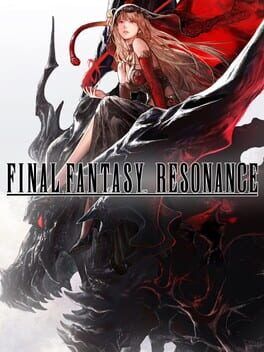
Final Fantasy Resonance launches on October 22, 2026 for Switch 2 and Switch according to Nintendo Everything's review listing, with Square Enix publishing and development credited there to Square Enix and Lancarse. PlayStation Lifestyle reviewed the PS5 version, confirming the PlayStation release covered here. The important shift is not the name on the box, but the structure: this is an HD-2D console adaptation of the first story arc, or first season as Siliconera describes it, of Final Fantasy Brave Exvius, the 2015 mobile gacha RPG.
That premise creates the review's central tension. Resonance is being pitched, and widely received by critics, as the closest Square Enix has come in years to a new classic-style, turn-based Final Fantasy. It has crystals, a world map, summons, airship-era adventure structure, party management, and the kind of command battle system the numbered series has largely moved away from. It also inherits a story shape from a long-running mobile game, which means the question is whether Square Enix rebuilt the material into a cohesive console JRPG or produced a handsome nostalgia vehicle with seams still visible.
My answer lands closer to the former, with reservations. Final Fantasy Resonance is an easy recommendation for players who want a systems-rich Final Fantasy JRPG and are buying on Switch 2 or PS5. The combat and progression carry it through its softer narrative stretches. For original Switch owners, the recommendation needs a small asterisk: the supplied review material identifies Switch as a release platform, but the detailed performance impressions available here are centered on Switch 2 and PS5 rather than the base Switch hardware.
The story starts fast, then wrestles with its own familiar shape
Resonance follows Rain and Lasswell, knights of Grandshelt, as they pursue the Sworn Six, armored figures connected to attacks on the world's crystals. Nintendo Everything's review text identifies Fina as an early companion and frames the opening around mystery, political intrigue, and the Sworn Six's campaign against the crystals. Console Creatures adds more detail on the setup: Rain and Lasswell investigate the Earth Crystal, a dark knight destroys it, Grandshelt comes under attack, and the party's journey expands around Fina's connection to unusual power.
As classic Final Fantasy scaffolding, it works. A crystal crisis gives the party a clean reason to move from region to region, and several sources describe the game as a globe-trotting adventure with new allies accumulating across the journey. Console Creatures was especially positive on the cast, citing Lida, Nichol, and the villains as characters who receive meaningful development rather than existing only as plot furniture. Nintendo World Report similarly emphasizes that the Sworn Six gain individual backgrounds and convictions as the story unfolds, which helps the conflict move beyond faceless world-ending antagonists.
The pacing is less consistent than the cast. Vooks reports that the first chapter can feel generic and that the story picks up a few chapters later, while still leaning on predictable beats and tired tropes. Siliconera also notes that the plot is familiar, with regions and conflicts drawing recognizable inspiration from mainline Final Fantasy entries, and argues that the adaptation lacks some bite when handling themes such as imperialism and rebellion. RPG Site is the sharpest dissenting voice among the supplied reviews, saying the story opens strongly and has a good middle section, but sputters in the final third because it lacks a strong thematic core.
That spread of criticism matches the experience Resonance seems designed to deliver. It is better at momentum, party warmth, and callback-rich adventuring than at saying something pointed about its world. If your ideal Final Fantasy lives or dies by theme, Resonance may feel emotionally lighter than its best predecessors. If you play JRPGs for companionship, escalating stakes, and the satisfaction of a party slowly becoming a proper unit, its storytelling has enough shape and heart to sustain a long campaign.
Final Fantasy Resonance gameplay is the real reason to play
The combat is where Resonance most convincingly justifies its console rebuild. PlayStation Lifestyle describes the battle system as turn-based with a visible timeline showing upcoming actions, which lets players plan around enemy turns instead of reacting blindly. That one interface choice changes the feel of traditional command combat. Healing before a boss spike, gambling on a kill before a counterattack, or delaying a setup turn becomes an informed decision rather than a guess.
The stagger system adds the second major layer. Multiple sources describe weakness exploitation as central to combat, with Siliconera explaining that repeatedly hitting enemy weaknesses breaks stagger and can grant bonus turns. PlayStation Lifestyle says staggering an entire enemy group can trigger special attacks, comparing their impact to Persona-style all-out attacks. In practical terms, Resonance rewards parties built around coverage, tempo, and burst windows. The best turns are rarely about picking the largest damage number from a menu. They are about deciding which character opens the weakness chain, who preserves resources, and when to cash in a Resonance attack.
The Vision system gives that loop its long-term buildcraft. In Brave Exvius, character acquisition was tied to gacha. PlayStation Lifestyle reports that in Resonance, those Vision characters are unlocked through quests and story progression, a crucial change for players wary of mobile monetization design. Siliconera characterizes Visions as the game's job system, with each party member retaining personal traits while equipped Visions expand roles, stats, and ability access. Its example is useful: Rain naturally has high HP and defense, tends to act late, and specializes in fire, but pairing him with Tidus can improve speed, add buffs, and bring water and wind options, while Cecil can push him further into a cover-focused tank with light and darkness attacks.
That is the kind of progression I want from a modern turn-based Final Fantasy. Character identity matters, but the game still lets you bend roles. Visions level up, unlock abilities, and provide build hooks across the campaign, according to PlayStation Lifestyle. Summons, or espers, also unlock over time and can fight alongside the party for three turns, giving difficult bosses another strategic pressure valve. Vooks also notes that Resonance does not use an autobattle system, which is telling. The design expects you to engage with encounters, not watch them resolve themselves.
Exploration benefits from HD-2D, even when quest writing lags behind
The campaign structure leans into old-school JRPG pleasures: regions to cross, dungeons to clear, towns to search, airship-era aspiration, optional challenges, and party growth that feeds back into combat. RPG Site says Resonance reconstructs Brave Exvius as a single-player RPG with turn-based battles, a world map, an airship to unlock, and optional bosses. That matters because the mobile origin could have produced a chapter-select compilation. Instead, the supplied reviews point to a game shaped like a full console adventure.
Vooks gives the clearest account of how exploration works in practice. Its review says Resonance uses HD-2D verticality and depth to hide secrets through alleyways, stairways, and off-path spaces, rewarding players who slow down in towns and dungeons. It also notes that dungeons are not always built around strong gimmicks, but avoid feeling bland because the art style gives them presence. For a completionist player, that distinction is important. Resonance appears to reward careful observation more than mechanical puzzle solving, which makes exploration satisfying without turning every dungeon into a ruleset tutorial.
The weaker link is side content. RPG Site specifically criticizes the sidequests as largely flat, and that complaint matters in a game whose main story already draws criticism for lacking a strong thematic throughline. A deep combat system can make optional bosses worthwhile by itself, but optional quest writing needs texture to keep the world from feeling like a checklist. Based on the supplied material, Resonance seems strongest when side activity feeds progression, unlocks Visions, or gives you a tougher fight to solve. It is less convincing as a source of memorable standalone stories.
Presentation shines on Switch 2 and PS5, while base Switch remains the unanswered question
Across the supplied reviews, the presentation is the least disputed success. Nintendo Everything describes the rebuild as moving Brave Exvius material into HD-2D visuals, fully voiced dialogue, cinematic cutscenes, and heavy Final Fantasy nostalgia. PlayStation Lifestyle says the prologue makes a strong first impression, praises the sprite work, backgrounds, battle effects, soundtrack, and voice acting, and states that the production value does not drop throughout the adventure. Nintendo World Report calls the HD-2D presentation a major leap, singling out cities that feel more lifelike and to scale than some other recent HD-2D work.
The Final Fantasy Resonance PS5 review picture is therefore straightforward: PlayStation Lifestyle's supplied text reports an impressive presentation and no decline in production value across the campaign. It does not provide granular frame-rate or resolution data, so the safe claim is that the reviewed PS5 build left that outlet with a consistently positive technical and audiovisual impression.
The Final Fantasy Resonance Switch 2 review picture is also encouraging. Nintendo Everything lists Switch 2 as the reviewed system, while Nintendo World Report and Vooks both reviewed Switch 2 and praised the visuals, cities, effects, and overall presentation. Again, the supplied excerpts do not give hard performance metrics, but they do not flag major technical problems on Switch 2.
The original Switch version is where buyers should be more cautious. Nintendo Everything's platform listing includes Switch, and its headline covers Switch 2 and Switch, but the provided text identifies Switch 2 as the reviewed system. The other Nintendo-focused excerpts supplied here also center on Switch 2. Without specific base Switch performance notes, I would not tell frame-rate-sensitive players that the oldest hardware version is equivalent. If portability is your priority and you own Switch 2, that appears to be the safer Nintendo choice from the available review evidence. If you only own a base Switch, waiting for direct technical analysis or user footage is the prudent move.
Verdict: close to essential for turn-based JRPG fans, with story caveats
Final Fantasy Resonance delivers where a classic-style Final Fantasy revival most needs to deliver: battles, builds, party growth, and audiovisual identity. Its Vision system smartly converts mobile gacha DNA into console progression by tying heroes from across Final Fantasy to quests and story advancement rather than pulls, according to PlayStation Lifestyle. Its timeline, stagger, weakness, summon, and Resonance attack systems give routine fights enough texture to keep party construction relevant. Its HD-2D presentation gives the world the handcrafted glow that Square Enix's best retro-modern projects are known for.
It is not flawless. The story's opening hook is stronger than some of its broader thematic follow-through, and the supplied criticism from RPG Site, Siliconera, and Vooks points to familiar plotting, uneven bite, and a weaker final stretch. Sidequests appear to be functional rather than a major narrative draw. The base Switch version also remains the platform with the least concrete performance support in the supplied review material.
For Switch 2 and PS5 players who miss command-based Final Fantasy, this is close to a must-play JRPG. For story-first players who expect the thematic force of the series' most celebrated entries, it is still worth playing, but the recommendation rests more on systems than script. For base Switch players, the game itself looks highly promising, but the hardware-specific buying advice should wait for clearer performance data.
Final Verdict
A solid gaming experience that delivers on its promises and provides hours of entertainment.