
Review
By Apex
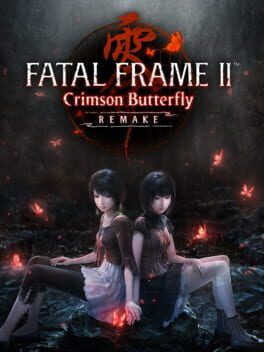
Fatal Frame II: Crimson Butterfly Remake Review
There was never much doubt that Fatal Frame II: Crimson Butterfly would still be scary. The original built its reputation on suffocating atmosphere, mournful ghost stories, and one of survival horror's most distinctive combat systems. The real question hanging over this remake is whether Koei Tecmo has done enough to make that brilliance feel alive for a modern audience, or whether it has simply dusted off a masterpiece without truly restoring it.
The answer lands somewhere in the middle. This remake absolutely preserves the heart of Crimson Butterfly. Its cursed village remains one of the eeriest settings in the genre, and the Camera Obscura is still a brilliant weapon because it forces you to confront horror instead of running from it. But while this version improves the presentation and sands down some rough edges, it does not fully escape the stiffness and awkwardness of its era. What emerges is a compelling, deeply unsettling horror game that is easier to recommend than some skeptical early impressions suggest, even if it stops short of becoming the definitive modernization fans might have hoped for.
The atmosphere does the heaviest lifting, and thankfully it is still extraordinary. Wandering through the abandoned village with Mio and Mayu feels like stepping into a place cursed by grief itself. The remake's improved lighting, cleaner environmental detail, and enhanced character models all help the setting breathe a little more on modern hardware. Lantern glow cuts through darkness with a sickly warmth, old wooden hallways look damp and rotten, and every room seems to hold the memory of something awful. The sound design remains just as important as the visuals. Whispers, distant creaks, muffled sobs, and sudden silences create a steady sense of unease that very few horror games can match. This is not a loud, roller-coaster sort of horror. It is oppressive, mournful, and patient.
That patience extends to the story, which still holds up remarkably well. The tale of the twin sisters and the ritualistic tragedy behind the village has a sad, intimate pull that many horror games never achieve. Even when the plot leans on familiar survival horror rhythms, the emotional connection between Mio and Mayu gives the entire nightmare a human center. The remake does not radically rework the narrative, which is the right call. The material was already strong. What it needed was a cleaner stage, and for the most part that is what it gets.
Camera combat remains the game's most striking idea, and it still works because it weaponizes nerve. The Camera Obscura asks you to wait, to let ghosts drift closer, and to line up stronger shots at the exact moment your instincts are screaming at you to back away. That risk-reward loop is as tense now as it was decades ago. Every encounter becomes a tiny contest between panic and precision. The best fights have an awful intimacy to them, with spirits lurching straight at the lens as you hold your ground for a fatal frame. Few horror mechanics make vulnerability feel this active.
The remake does improve the basic feel of combat and movement, but only to a point. Controls are more approachable, and quality-of-life tweaks make the game less hostile than older versions. Navigation is clearer, the interface is cleaner, and the overall handling is less punishing in a purely mechanical sense. Even so, there is still a strain of old-school stiffness running through everything. Movement can feel slightly rigid, camera management is not always elegant, and some ghost encounters expose just how awkward the system can become when enemies move unpredictably in cramped rooms. The central idea remains great. The execution still occasionally feels trapped between eras.
That tension defines the remake as a whole. It wants to modernize Crimson Butterfly without sanding away its identity, which is admirable, but it also means some dated design survives untouched. Backtracking is still a drag in places. Objectives can be vague. Pacing can stall when the game expects you to absorb obscure clues or retrace steps through areas that have already wrung out their best scares. Fans of classic survival horror will probably accept this as part of the texture. Newcomers may simply see friction.
Visually, this is a respectable upgrade rather than a transformative one. Some scenes are undeniably more effective thanks to stronger lighting and cleaner asset work, and the village benefits from the extra clarity. But this is not the kind of lavish remake that completely rebuilds a classic from the ground up. Certain textures and animations still look dated, and a few cutscenes lack the fluidity needed to fully sell the emotional and horrific peaks. The result is attractive enough to support the mood, but not consistently impressive on its own merits.
Performance appears solid overall, which matters in a game so dependent on mood. Minor rough edges and occasional camera oddities do crop up, but they do not seem severe enough to sabotage the experience. This is not a technical showcase, and it never feels like one, yet it also avoids collapsing under its own ambition. For a horror game built on immersion, that relative stability counts for a lot.
So, has this remake successfully modernized a horror classic? Partially. It makes Fatal Frame II more accessible, better-looking, and easier to revisit without betraying the qualities that made it special in the first place. But it does not go far enough to disguise the age in its structure, nor does it fully refine the clumsy edges of movement and encounter design. It is a good remake of a great game, not a great remake of a great game.
As for whether newcomers should start here, the answer is yes, with a qualification. If you are curious about Fatal Frame and can appreciate deliberate, old-school horror design, this is a strong entry point because the story, atmosphere, and signature camera combat remain so distinctive. If you need slick action, constant convenience, and seamless modern pacing, this remake may test your patience. But for players willing to meet it on its own haunted terms, Crimson Butterfly still has the power to get under the skin in ways most horror games can only imitate.
It may not completely modernize the classic, but it absolutely reminds you why the classic mattered.
Final Verdict
A solid gaming experience that delivers on its promises and provides hours of entertainment.