
Review

By Apex
A Brutal, Surprisingly Smart Extraction RPG
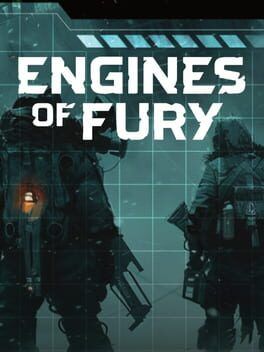
Engines of Fury bills itself as a “top‑down extraction shooter RPG,” and for once the marketing is accurate. Raids are short, sharp runs into mutant‑infested maps where every decision is about risk and tempo: how deep you push, when you pick fights with other players, and how greedy you get before sprinting for extraction.
The perspective is classic ARPG, but the pacing is closer to Escape from Tarkov than Diablo. You spawn at the edge of maps like Fairwater or Cliffside, sweep through ruined industrial blocks and fungal caverns, hoovering up loot while constantly checking line of sight and sound cues. Enemy density is tuned well enough that you rarely feel safe, yet you are not constantly stun‑locked or mobbed into frustration.
On a pure design level, the raid loop works. You gear up at your hideout, pick a mission, push into hostile territory, and extract or die trying. Survive and you walk out with resources, Medusal Stems, gear and the occasional Faction Shard. Die and everything not insured or stashed is gone. The risk‑reward curve is harsh but fair in the early hours, and the top‑down camera actually helps with situational awareness in crowded fights.
Gunplay And Combat Feel
Raids live or die on gunfeel, and Engines of Fury mostly nails it. Assault rifles chatter with snappy recoil patterns, shotguns kick hard, and precision weapons reward tap‑firing instead of spray‑and‑pray. Hit reactions on mutants sell impact, with limbs popping and armor plates shredding in a satisfyingly readable way.
The control scheme is standard WASD plus mouse aim with active skills on hotkeys, and the game leans into that hybrid identity. You are not just kiting mobs in big circles. You are corner‑peeking, pre‑aiming choke points, and using utilities like stims, armor patches, and grenades to control space. The better you manage cooldowns and positioning, the more you feel that you outplayed an encounter rather than stat‑checked it.
PvP is where things get spikier. TTK is on the fast side, which makes ambushes brutal, but time‑to‑kill is at least consistent. When you lose a duel, you can usually point to a bad flank or mismanaged cover rather than invisible desync or inexplicable bullet sponges. That reliability keeps the tension high without crossing into pure frustration.
Progression And Balance
Instead of traditional XP bars and levels, Engines of Fury hangs progression on loot, hideout upgrades, and Medusal Cells. You pick up Medusal Stems in raids, then convert them at the Biolab into Cells that unlock nodes on a flexible, classless skill tree.
It is a great system on paper. Rather than locking you into rigid archetypes, you can skew a single character toward mid‑range rifle builds, tanky armor stacking, or more ability‑driven play focused on movement and crowd control. Respec costs are forgiving enough that experimentation feels encouraged, which is rare for games in this niche.
Hideout modules like the Generator, Biolab, Recycler, and Engine (more on that one later) gate a lot of your power curve. Upgrading them increases crafting efficiency, unlocks better consumables and improves your economic throughput between raids. It is a tight loop that makes every run feel like it is feeding forward into something tangible, and the early‑mid game balance feels pretty good.
Where progression stumbles is in how quickly the game starts demanding very specific resources that are strongly tied to its NFT layer. Faction Shards, Engine Cores, and certain lockboxes are not just side systems. Past a point they are effectively glued to your sense of long‑term growth.
The Web3 Layer: NFTs, Factions, And Engine Cores
Engines of Fury is not shy about being a Web3 project. It runs on $FURY and ALLOY, and leans hard on NFT passes, Engine Cores, and Faction systems that live half in and half out of the game.
Factions themselves are straightforward. You align with one of several groups and start collecting Faction Shards that drop from specific caches and map events. Combine six identical shards and you can craft a Faction Lockbox, which contains a burst of ALLOY and higher‑tier gear. The catch is that opening some of the best of these boxes requires Engine Core NFTs.
Engine is a special hideout module that acts like a premium crafting and loot station. To turn it on, you slot in an Engine Core, which is a reusable NFT key tied to your wallet. Without a Core, the Engine is dead weight. With a Core, you can process Faction Lockboxes into real rewards and accelerate your resource income well beyond what a purely free account can reasonably achieve.
Events like the Christmas raid leaderboard make this gap very visible. The top two players receive a Rare Engine Core, while ranks three through ten get Initiate Passes that grant Initiated Raider status and daily access to Council Caches for a fixed number of hours. Those caches cough up extra Faction Shards and ALLOY, which can then loop back into more lockboxes and economic power.
The design philosophy is obvious. NFTs are framed as progression accelerators and special keys, not one‑shot items. In practice, they create a tiered player base where certain maps, drops, and economic loops are only fully worthwhile if you are plugged into the external marketplace.
How It Feels As A Traditional PC Player
If you stick to Engines of Fury as a straight extraction ARPG and ignore the words token, NFT and Core as much as possible, the experience is solid. You raid, you upgrade your hideout, you experiment with builds, and you enjoy a reasonably fair playing field in the low and mid tiers.
The problem is that the deeper you go, the harder it becomes to pretend the Web3 scaffolding is not there. High‑end progression leans on Engine Cores and Initiate‑style passes to unlock the best maps and most lucrative caches. Faction Lockboxes without a Core feel like lottery tickets you are not allowed to scratch.
Nothing stops you from playing the game without ever touching an external wallet, but there is a persistent sense of being on the outside looking in. When you see other players sprinting for Council Caches that you know might drop NFTs or higher ALLOY bundles, or when late‑game build guides quietly assume Engine‑powered crafting throughput, the friction becomes impossible to ignore.
To be clear, Engines of Fury is not pure pay‑to‑win in the cartoonish, stat‑stick sense. Skill still matters in raids, and you can outplay better‑geared opponents. But from a systemic point of view, the NFT stack absolutely bends the long‑term economy toward those willing to spend money on external assets or grind high‑stakes events.
Raid Design And The Web3 Economy
Where things get messy is in how progression‑critical currencies and drops are wired into the raid loop. The best routes on Fairwater and Cliffside are not just about PvE risk or PvP choke points. They revolve around spawn patterns for Council Caches and shard‑rich objectives.
In a traditional extraction game, that would simply be a case of smarter routing. In Engines of Fury, optimal paths often assume that you are an Initiated Raider with access to specific caches. Normal players still get tense, enjoyable runs, but the raids are subtly tuned around the presence of these boosted roles, which can warp balance.
The Christmas event underlines this tension. Only the top 15 players on the leaderboard get anything at all, and the best rewards are Rare Engine Cores and Initiate Passes. There are no participation prizes or cosmetics for showing up. You either grind yourself raw for a shot at on‑chain value or you may as well not exist.
That approach might make sense for growing a speculative ecosystem, but it runs directly against the more inclusive, horizontal progression that makes extraction RPGs so sticky. For a traditional PC audience, it feels like the game is constantly trying to pull you away from its best feature, which is just how fun it is to take a build into a raid and see how far you can push it.
Visuals, Performance, And Technical Stability
On the technical side, Engines of Fury holds up. The Unreal Engine 5 presentation brings impressive lighting in subterranean areas and sharp environmental detail. Mutants look grotesque without tipping into parody, and the UI does a good job of surfacing combat information and loot rarity without making the screen unreadable.
Performance on a mid‑range PC is respectable, though big co‑op firefights can nudge frame rates down. Server performance on the post‑launch build is acceptable, with only occasional rubber‑banding when lobbies get crowded during event rushes.
Verdict
Engines of Fury, judged purely as an extraction RPG, is a strong, sometimes excellent game. The raids are tense and replayable, the gunplay is punchy, and the progression via Medusal Cells and hideout modules offers plenty of room to experiment without locking you into a rigid class box.
The problem is that the Web3 layer is not a harmless sidecar. NFTs, factions, and Engine Cores are woven into the economic backbone of the game in a way that steadily erodes the appeal for traditional PC players. If you are allergic to wallets and token jargon, you will feel that ceiling sooner rather than later.
If you are willing to live with the NFT scaffolding or even embrace it, Engines of Fury is one of the better realized Web3 shooters around. If you just want a great extraction RPG on PC, it is a thrilling few dozen hours before the grind, the gated systems, and the relentless event economies start to weigh the whole experience down.
As it stands, Engines of Fury is a very good game shackled to a divisive economy. The raids deserve a wider audience than the token‑literate niche it seems determined to court.
Final Verdict
A solid gaming experience that delivers on its promises and provides hours of entertainment.