
Review

By Night Owl
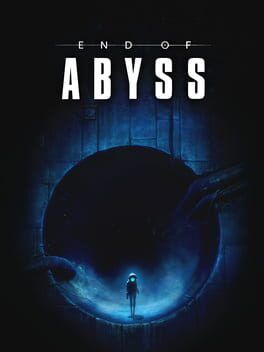
Image: IGDB
A strong horror debut caught between dread and friction
End of Abyss arrives with a clear hook: Section 9 Interactive, a Swedish studio identified by Push Square and IGN as being made up of former Tarsier Studios developers, has built a sci-fi horror metroidvania around a young combat technician named Cel and a decaying underground facility. HorrorFuel reports that the game launches October 1 for PlayStation 5, Xbox Series X/S, and PC, while several reviews in the source material focus specifically on the PS5 version.
That pedigree immediately sets expectations. The sources repeatedly connect End of Abyss to the visual and tonal language of Little Nightmares, although they also stress that this is a different type of game: a top-down or isometric horror adventure with twin-stick aiming, exploration gates, upgrades, crafting, and backtracking. The tension for an End of Abyss review is whether that oppressive mood survives contact with the practical demands of a metroidvania. Based on the provided review coverage, the answer is mixed but worthwhile for a specific audience.
End of Abyss is strongest when it makes you hesitate before opening a door. It is weaker when it makes you jog across old corridors to check a map icon that may no longer mean what it says. Push Square reports a roughly 13-hour run to credits and praises the scale of its multi-level facility, while IGN argues that the atmosphere eventually outpaces the exploration and combat. GamesRadar+ lands in a similar middle ground, calling the game gripping and atmospheric at its best, but frustrating when crucial items, bosses, and design choices get in the way. That split defines the game: its dread is real, its world has weight, and its systems can dull the blade.
The facility carries the horror better than the plot does
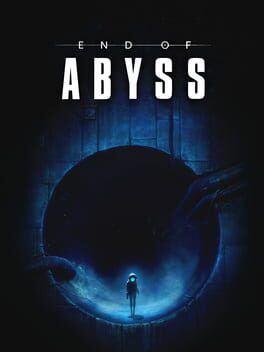
The most consistently praised part of End of Abyss is the place itself. Push Square describes the opening descent into rusted underground ruins as blue-hued, quiet, and ominous, with footsteps and old doors emphasizing the surrounding silence. IGN points to dim corridors, parasite-infested tunnels, flickering exit lights, and bodies positioned to make the player distrust the room ahead. GamesRadar+ also lists strong atmosphere among its reasons to buy, and DayOne says the presentation and exploration contribute to a vibe that clicks despite flaws.
That atmosphere matters because End of Abyss is not built around helplessness. Cel is armed. According to IGN, Cel interacts with much of the world through the scope of a gun, and Paul Semel’s review describes a primary Pulse Gun with unlimited ammo, aimed with the right stick while movement sits on the left. In many horror games, a weapon can drain fear from the room. Here, the source material suggests the opposite happens early on: having the pistol drawn makes you feel prepared, but not safe.
Audio appears to do heavy lifting. HorrorFuel specifically recommends headphones, saying they help immerse the player and make it easier to hear what is crawling in the dark. Push Square’s account also leans on sound design, especially the contrast between mechanical noises and silence. For survival horror fans, that is the good kind of pressure. The game does not need constant noise to threaten you. It lets empty space work.
The story is less settled. IGN says Cel is not given much personality and describes the mystery as relying too heavily on withheld information. It identifies Security Control Units, a mysterious voice, and zombified station workers known as Husks, but argues the documents and vague dialogue do not build a satisfying picture. HorrorFuel is warmer on the narrative approach, praising the short notes, brief subtitles, and lack of heavy text dumps. Those impressions do not contradict each other so much as define different priorities. If you want thick lore and character motivation, the reported material suggests End of Abyss may feel underfed. If you prefer environmental dread and minimal interruption, its restraint may be a strength.
Exploration rewards obsession, then occasionally punishes it
As a metroidvania, End of Abyss follows familiar rules: locked doors, unreachable paths, new traversal options, shortcuts, key cards, and zones that fold back into each other. Push Square says the map expands across more than half a dozen areas and multiple levels, with locations twisting inward until the player is studying schematics in detail. That is exactly the kind of spatial commitment many genre fans want from a horror metroidvania.
The friction comes from how little help the game gives when your next step is unclear. Push Square reports spending hours in a radiated area called Containment while radiation chipped away at health, only to find the protective mod in an easily missed room in a different zone. The same review notes that waypoints can point to floors where the player has not yet downloaded a map, and that doorways and interactable objects must be manually scanned to appear on the map. That scanning idea fits the fiction of a technician combing through an abandoned base, but it also raises the cost of missing one small detail.
A specific map issue stands out. Push Square says marked locked doors can remain shown as locked even after they have been opened, which led to wasted return trips. In a compact action game, that would be a small inconvenience. In a layered metroidvania built around backtracking, it can poison trust in the map. GamesRadar+ separately flags that crucial items are too easy to miss, even while saying exploration is well rewarded. That combination is important: End of Abyss seems capable of delivering the satisfying click of a route finally opening, but it sometimes gets there by making the player doubt whether they missed a tool, a scan, a key card, or a system update.
For players who love mapping hostile spaces, this can be absorbing. Push Square compares the feeling of finding a way through to the thrill of uncovering a new area in a large, forbidding game. For players who expect modern signposting, it can become exhausting. The progression payoff exists, but it asks for patience, and the reported map behavior means some of that patience is spent fighting the interface rather than the facility.
Combat has teeth, especially before its tricks become familiar
End of Abyss frames combat through twin-stick survival pressure rather than pure action spectacle. Paul Semel reports that the Pulse Gun has unlimited ammo, while the player can run, dive out of the way, carry a health boost, use Restoration Pods to save and heal, and craft consumables or upgrades at workbenches after finding the right materials and blueprints. HorrorFuel also notes workbenches, equipment upgrades, crafting, and an important death rule: spent consumables and ammo do not automatically return after respawning at a Restoration Pod.
That resource behavior is the kind of detail horror players should know before buying. Unlimited basic firepower does not mean mistakes are free. If you burn crafted items, die, and return without them, the game can turn impatience into lasting pressure. In the right encounter, that makes every flare, heal, and upgrade decision feel heavier.
Enemy design gets several positive notes. GamesRadar+ lists monster design as a strength, IGN describes Husks and parasite-laced spaces, and Paul Semel compares some humanoid enemies to fungal infected figures while also describing smaller creatures that latch onto the player and must be shaken off. That latter detail sounds especially suited to the cramped corridors reported by Paul Semel, where movement space is limited and a dodge is a survival tool rather than a flourish.
The issue is repetition. IGN says early jump scares and supposedly dead enemies lose power because encounter setups become predictable, with important items in open arenas repeatedly telegraphing fights. Once a horror game teaches you that a corpse will wake up every time, caution turns into procedure. GamesRadar+ is harsher on boss fights, calling some of them terrible, and Paul Semel says some difficulty spikes feel disproportionate compared with the rest of the game. Those accounts suggest End of Abyss understands moment-to-moment dread better than encounter escalation. Its combat tension works when you are uncertain, low on comfort, and boxed into ugly geometry. It struggles when it becomes a pattern you solve before the room begins.
Presentation shines, but technical reports are not perfectly aligned
On visuals, the coverage is broadly favorable. HorrorFuel praises the art, smooth graphics, and lighting balance, saying the game matches the look of its trailers. IGN highlights the clay-doll aesthetic and isometric perspective, tying it to Section 9’s former Little Nightmares developers. Push Square emphasizes scale and the blue-dark industrial mood. Across the source material, End of Abyss appears to have a strong visual identity: small bodies in huge industrial spaces, rooms that feel abandoned rather than empty, and lighting that pushes the player to look closer.
Performance reporting is less uniform. HorrorFuel says it encountered no crashes or glitches. DayOne, by contrast, says a few technical hiccups got in the way of overall enjoyment. Push Square’s map icon complaint may be a design choice, a bug, or an implementation issue, but the source describes the practical effect rather than labeling it technically. Because the provided materials do not include patch notes, a platform-holder technical sheet, frame-rate targets, or a statement from Section 9 Interactive, the safest conclusion is that End of Abyss PS5 coverage does not show a universal technical failure, but it does include enough hiccup reports to justify caution for players sensitive to polish.
Price is also not confirmed in the provided source packet, and there is no supported information here about file size, PS5 Pro enhancements, physical editions, or upgrade paths. The confirmed practical details from the sources are narrower: HorrorFuel reports the October 1 release date and PS5, Xbox Series X/S, and PC platforms, while Paul Semel links the game to PlayStation 5, Xbox Series X/S, and Epic Games Store pages. For PC buyers, the source material names the Epic Games Store, but does not provide requirements.
Who should enter the abyss now, and who should wait
End of Abyss is easiest to recommend to horror players who value mood, exploration, and pressure over clean convenience. If you like being forced to read rooms, track doors, listen for movement, and accept that a missed corner may matter hours later, the reported strengths line up well. This is an atmospheric horror game first, a metroidvania second, and a twin-stick combat game third. When those parts cooperate, it sounds tense, tactile, and memorable.
The warning is that survival horror frustration cuts differently from survival horror pressure. Running low on supplies after a bad fight can be thrilling. Losing time because a critical upgrade was tucked away in an easy-to-miss room on the other side of the map is a colder kind of irritation. Boss fights that spike beyond the surrounding balance can drain fear into annoyance. A map that keeps old locked-door states can make backtracking feel less like deduction and more like clerical work.
For PS5 players specifically, the End of Abyss score should be read as a recommendation with caveats. The game has enough atmosphere, enemy presence, sound design, and world structure to stand out from routine horror releases. It does not appear, based on the provided reviews, to fully solve the metroidvania problem of guiding players without overexplaining. It wants you to feel lost, and often that works. Sometimes, according to the source material, it simply leaves you lost.
If your survival horror diet leans toward oppressive spaces, careful exploration, and rougher-edged cult favorites, buy with confidence or at least keep it high on your list. If you mainly want polished routing, elegant boss design, and a story that pays off every mystery cleanly, waiting for patches, a sale, or broader player reports is the safer move.
Verdict
End of Abyss has the rare horror virtue of making silence feel dangerous. Section 9 Interactive’s debut uses scale, lighting, audio, and grotesque enemy design to build a facility worth fearing, and its best exploration beats deliver the metroidvania pleasure of turning confusion into command. The problem is that the same structure can become needlessly abrasive: missed tools, unclear routing, boss frustrations, repetitive scare setups, and reported technical hiccups all chip away at the tension.
As an End of Abyss horror game, it succeeds often enough to recommend to genre fans who can tolerate backtracking and opacity. As a polished PS5 metroidvania, it is less convincing. Our End of Abyss score reflects a game with excellent atmosphere and solid survival pressure, but uneven progression payoff.
Final Verdict
A solid gaming experience that delivers on its promises and provides hours of entertainment.