
Review
By Headshot
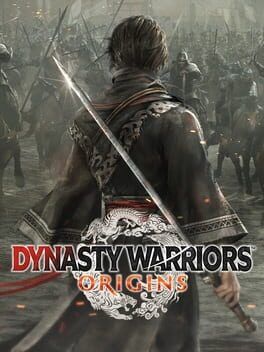
Nintendo’s choice to delay the Dynasty Warriors 3 remaster stung for long-time Musou fans, but it also cleared the runway for Dynasty Warriors: Origins to define what the series looks like on Switch 2 right now. Instead of nostalgia, Omega Force is selling a fresh start built around a new protagonist, a four-hero structure, and some of the thickest crowds the series has ever pushed on a handheld. On Nintendo’s new hardware, those ambitions mostly land, though not without some compromises that purists and performance hawks will feel.
Handheld performance: ugly in places, but committed to 60
Docked, Origins on Switch 2 aims for feature parity with the other console versions and mostly gets there by leaning heavily on dynamic resolution and pared-back textures. The more interesting story, though, is in handheld mode, which is where this port quietly shines.
In portable play, Omega Force clearly prioritizes fluidity over fidelity. Resolution steps down more aggressively and distant geometry loses detail, but the payoff is combat that sticks much closer to 60 frames per second in the thick of a battle than you would expect given the body count. Frame pacing is consistent enough that when drops do happen, they are short, predictable hits during screen-filling Musou attacks or multi-officer pileups rather than constant micro-stutter.
The trade-off is visual noise. Textures on armor and terrain smear earlier than on PS5 or Series X, foliage is noticeably thinner, and shadows pop in aggressively when you’re sprinting across larger maps. In screenshots, it can look rough. In motion, especially on the smaller Switch 2 screen, the presentation gets the job done because Origins is all about the sweep of the battlefield: flags whipping, horses crashing through formations, and your character carving funnels through enemy lines.
Crucially, input latency feels tight. Musou games live or die on responsiveness when you’re juggling cancels, air juggles, and crowd control, and Origins dodges the slightly mushy feeling that plagued some older Switch Musou ports. If you played Hyrule Warriors: Age of Calamity and winced at its chugging late-game missions, Origins on Switch 2 feels like a course correction rather than a repeat mistake.
Enemy density: massive crowds with smart trimming
Enemy density is the other big question for a Musou on a portable system, and Origins does something clever. Compared to the PS5 and Series X builds, the Switch 2 version dials down the absolute maximum number of on-screen grunts at the far edges of the battlefield, but it keeps the heat turned up in the places that matter.
When you are in the thick of an objective, you’re surrounded by hundreds of enemies at once. The classic Musou rhythm of mowing down lines of soldiers to reach a stronger officer remains fully intact. The cuts happen at the margins: distant squads spawn in closer to you, and massed archer lines or siege weapons are slightly sparser than on more powerful hardware. It is smoke and mirrors, and for the most part, it works.
What really sells it is how Origins frames these crowds. The camera sits a touch higher and wider than in some earlier entries, letting you always see the knot of troops you’re currently engaged with. The improved hit reactions and more readable damage feedback keep the chaos legible. Even on Switch 2, creating a kill funnel through a fortress gate or shredding a cavalry charge still gives you that guilty thrill of watching the KO counter explode.
If you slow down and go looking for the seams, you’ll notice enemy LODs snapping in a bit too close and troops sometimes spawning in in neat, obvious chunks rather than convincingly flowing in from the fog of war. In the heat of an actual mission, though, Origins preserves the fantasy of one warrior versus an army in a way few hybrid handhelds have managed.
Mission variety: better structure, same old grind
Origins tries to reframe the Musou loop with a stronger campaign spine, and on paper it looks promising. The central story follows the Wanderer, a blank-slate protagonist you can project yourself onto, pulled through a reimagined Three Kingdoms conflict. Missions are structured as tightly framed operations in a larger war, which helps contextually: you’re not just mopping up maps for the sake of it, you’re trying to punch through supply lines, rescue pinned allies, or sabotage siege engines.
In practice, though, once you get past the first few chapters, the mission variety dips back into familiar territory. Objectives boil down to variations on capture this base, escort this unit, defeat this officer before a timer runs out, and defend a point against waves. Origins does throw in the occasional curveball, like multi-front pincer battles where you need to swap between fronts quickly or stealth-lite infiltration setups where you crash an enemy camp from the inside, but they are the exception rather than the rule.
Side operations and optional contracts fare similarly. They are useful for grinding materials, testing out alternate hero builds, and unlocking extra scenes, yet structurally they echo the same patterns. If you are the kind of player who delights in perfecting routes and min-maxing clear times, the repetition becomes a kind of meditative comfort. If you were hoping Origins would finally solve the genre’s chronic sameness, this is not that breakthrough.
Compared to the tantalizing promise of revisiting Dynasty Warriors 3 with a modern mission pass, Origins feels like a lateral move rather than the next evolutionary step. The scaffolding is better, the pacing is brisker, but deep down you are still doing the same jobs you have been doing since the PS2 era.
The four-hero structure: a real shake-up
Where Origins does feel legitimately new is in its four-hero system. Instead of locking yourself into a single officer for an entire stage, you field a squad of four characters and can hot-swap between them on the fly. The AI controls the others, following simple but effective orders like hold this choke point, push this lane, or regroup on me.
For long-time fans, this scratches an itch that Musou has poked at for years without fully embracing. Tag systems and bodyguards hinted at multi-character play, but Origins finally makes it central. You can open an engagement by sending a tanky vanguard to draw aggro at a gate, flip over to a mobile cavalry unit to sweep around and break the rear line, then drop into a specialist officer to detonate a Musou attack right as the enemy formation collapses. Done well, it gives battles a sense of orchestration that previous games reserved for cutscenes.
Newcomers benefit too. Instead of being punished for picking the wrong officer for a given mission, you can cover multiple roles in one squad. The game even suggests synergetic team comps early on, nudging you toward mixing crowd clear specialists, single-target duelists, and support types with buffs or battlefield control abilities. If you fall in love with a particular character, you can still lean on them as your main, but the structure gently pushes you to experiment.
On Switch 2, the four-hero system holds up technically. Swaps are nearly instantaneous, there is no egregious texture pop-in when you change perspective, and the AI pathfinding is only occasionally dumber than you would like. You will see the odd officer get hung up on geometry or arrive a beat late to an objective, but the system is functional enough that it rarely breaks a fight.
Where it stumbles is in long-term depth. Builds are governed by a fairly straightforward gear and skill grid setup, and while there is some room to specialize each officer into a distinct battlefield role, it never reaches the crunchy complexity of a full-blown RPG. Veterans craving deep theorycrafting may find themselves wishing the four-hero idea had been pushed even further.
For long-time fans versus newcomers
If you have been with Dynasty Warriors since the PS2 glory days, Origins on Switch 2 is both reassuring and mildly frustrating. The fundamentals are as addictive as ever. That sense of flow as you chain together charge attacks, shave off officer health bars with perfectly timed specials, and juggle map objectives is intact. The four-hero structure finally gives tactical teeth to the fantasy of commanding a roster rather than just collecting it.
At the same time, the delayed Dynasty Warriors 3 remaster hovers over this release as a what-if. That project promised a polished return to one of the series’ most beloved campaigns, and Origins cannot quite match that sense of iconic historical sweep or mission ambition. Its story is fine, its characters are likable, but its narrative beats are more scaffolding than centerpiece.
For newcomers, Origins is a genuinely solid entry point, especially on Switch 2. The Wanderer is an accessible protagonist, the early chapters on Normal difficulty do a good job easing you into Musou logic, and the portable format lends itself beautifully to knocking out a mission or two on a commute. The game respects your time, letting you bank progress quickly without endless menu wrangling.
The question is tolerance for repetition. If you bounce off the core loop after a few hours, no amount of character swapping or incremental unlocks will change your mind. But if you find yourself smiling as the KO counter ticks past a thousand and your screen fills with ragdolled troops, Origins gives you a deep enough well to draw from for dozens of hours.
Verdict: a sturdy present while we wait for the past
Dynasty Warriors: Origins on Nintendo Switch 2 is not the reinvention that will convert Musou skeptics, and it does not erase the disappointment of waiting longer for a polished return to Dynasty Warriors 3. What it does deliver is a robust, technically competent Musou experience you can take anywhere, with a genuinely smart four-hero structure that deserves to be the template going forward.
Handheld performance is better than the muddy visuals suggest at a glance, enemy density holds up where it counts, and the core combat remains as cathartic as ever. Mission design still leans too heavily on time-tested patterns, and the new systems stop short of true depth, but as a current Musou experience on Switch 2, Origins is one of the strongest, most confident options you can play right now.
Final Verdict
A solid gaming experience that delivers on its promises and provides hours of entertainment.