
Review
By Story Mode
Dungeon Clawler Review
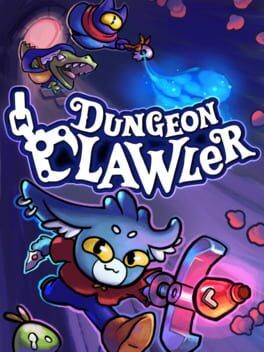
Dungeon Clawler sounds like a joke concept at first. A roguelike dungeon crawler built around the mechanics of an arcade claw machine should be a novelty that burns out within an hour. Instead, Stray Fawn Studio manages to turn that ridiculous premise into a genuinely absorbing loop that constantly toys with risk, improvisation, and greed.
Every battle revolves around dropping a claw into a pile of weapons, shields, consumables, and bizarre gadgets. Whatever the claw grabs becomes your attack or defense for the turn. It is a mechanic that introduces a layer of physical unpredictability that most roguelikes simply do not have. Positioning inside the machine matters. Timing matters. The shape and weight of items matter. You are not just drawing cards or selecting attacks from a menu. You are wrestling with a chaotic pile of objects and hoping your plan survives contact with the physics system.
That unpredictability is what gives Dungeon Clawler its personality. The game constantly creates stories out of near disasters. You may line up the perfect grab for a huge damage combo only to accidentally snag a useless trinket that ruins your turn. A desperate claw drop can suddenly pull a legendary item that flips an entire run around. Few roguelikes lean this hard into controlled chaos, and even fewer make failure entertaining.
What keeps the game from collapsing into pure randomness is the strength of its progression systems. Dungeon Clawler understands that roguelikes live or die by build variety, and it delivers enough weird synergies to keep experimentation exciting. Artifacts modify how the claw behaves, weapons chain together in absurd combinations, and passive effects can transform weak items into run-defining tools.
One run may focus on stacking poison effects while another turns defensive items into offensive nukes. Some builds encourage careful precision while others embrace total disorder by flooding the machine with junk and hoping volume overwhelms enemies. The game consistently rewards curiosity, which is exactly what a good roguelike should do.
Replayability ends up being one of Dungeon Clawler’s strongest qualities because the core mechanic naturally creates variety. Even if you encounter the same enemy layouts or item pools, the tactile nature of the claw machine ensures situations rarely play out identically. The physical arrangement of items changes constantly, and that means your decision-making changes with it.
Runs also move at a brisk pace. Dungeon Clawler avoids the common roguelike problem where failed runs feel like wasted time. Even bad attempts tend to produce some strange interaction or memorable collapse that makes continuing appealing. Unlocks arrive frequently enough to sustain momentum without drowning the player in progression systems.
The game’s presentation supports the absurdity well. Its colorful visuals and exaggerated item designs make it easy to identify opportunities inside the machine while maintaining a playful tone. The sound design deserves credit too. The clunks, rattles, and mechanical noises give each grab a satisfying sense of weight. Pulling off a perfect haul feels genuinely rewarding because the game sells the physicality of the machine.
Where Dungeon Clawler stumbles is in its balance between skill and luck. Roguelikes always contain randomness, but this game occasionally pushes too far into frustration. There are runs where the claw physics seem actively hostile, causing carefully planned turns to collapse due to awkward collisions or bad angles. In those moments, the game can feel less like strategic improvisation and more like losing an argument with a carnival machine.
Difficulty spikes can also become erratic depending on item luck. Some runs snowball into unstoppable engines while others leave you scraping together ineffective scraps for far too long. The strongest roguelikes usually provide enough player agency to recover from bad luck through smart decision-making. Dungeon Clawler sometimes falls short there.
Still, the central gimmick remains surprisingly compelling even over long sessions because the game continually introduces new wrinkles to the formula. New artifacts, enemy encounters, and item interactions prevent the claw machine mechanic from becoming repetitive. More importantly, the tactile randomness stays fun because the player is always partially responsible for success or failure. You are not watching dice rolls happen passively. You are physically committing to risky grabs and dealing with the consequences.
That distinction matters. It transforms Dungeon Clawler from a cute gimmick into something that feels genuinely distinct within the crowded roguelike space.
Dungeon Clawler succeeds because it understands the difference between randomness and engagement. The claw machine mechanics are chaotic, but they constantly demand player input and adaptation. Combined with strong build variety and a fast-paced progression loop, the game delivers a roguelike that feels inventive long after its initial joke premise wears off.
Its balance issues and occasional reliance on luck stop it from reaching the top tier of the genre, but the sheer originality of its systems makes it difficult to put down. Dungeon Clawler is strange, messy, occasionally infuriating, and consistently entertaining. In a genre crowded with familiar ideas, that alone gives it real value.
Final Verdict
A solid gaming experience that delivers on its promises and provides hours of entertainment.