
Review

By MVP
A fourth trip into Kemco’s retro time machine
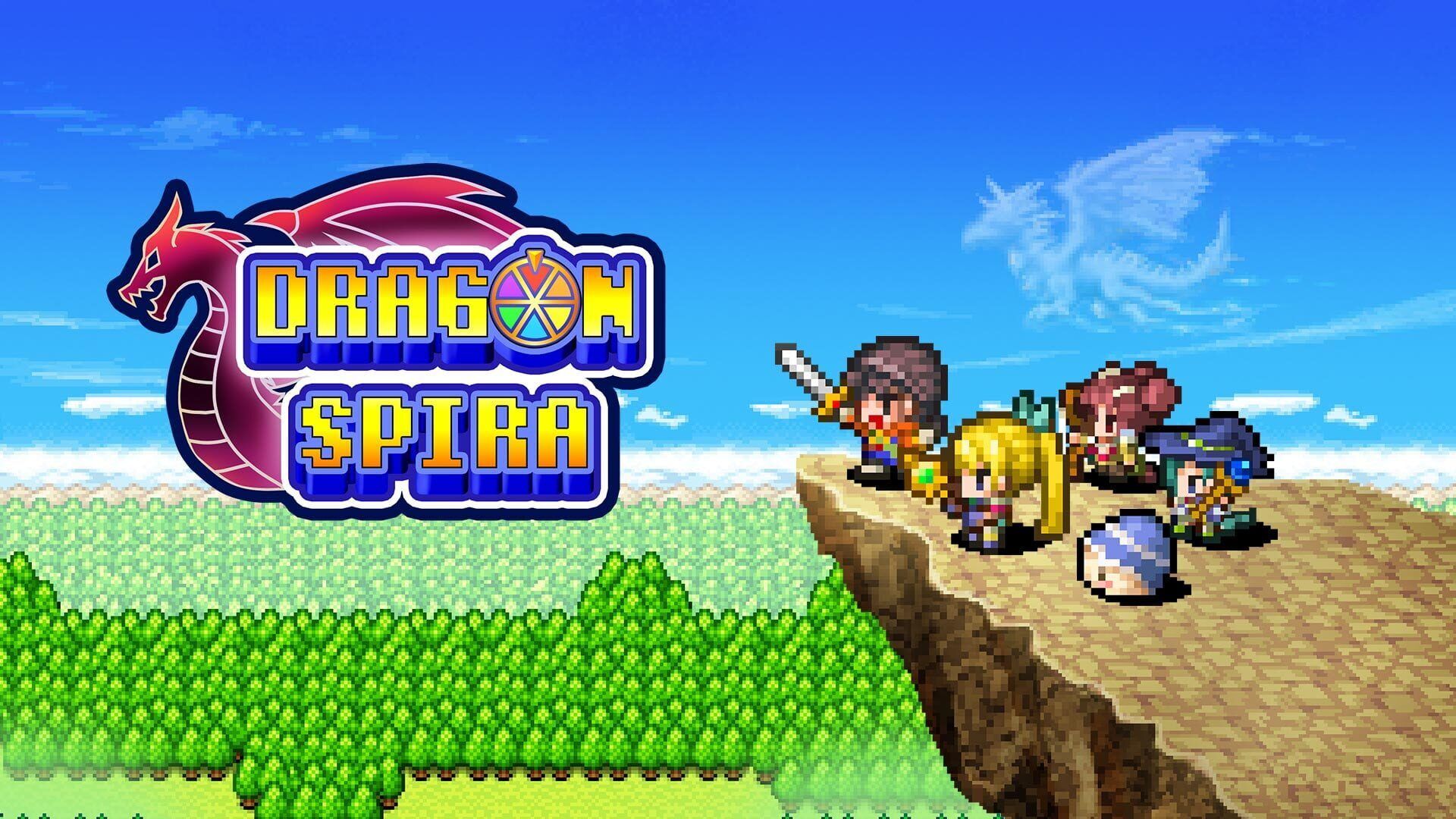
If you haven’t been quietly scooping up Kemco’s mobile‑born JRPGs over the last decade, Dragon Spira will probably look like it crash‑landed into 2026 from a lost Super Famicom shelf. It is actually the fourth entry in Exe Create and Kemco’s loosely connected “super‑retro” line, following titles like Dragon Sinker, Dragon Lapis, and Dragon Prana. Each shares a familiar pitch: chunky pixel art, brisk turn‑based combat, breezy stories about gods, dragons, and destiny, all delivered at a budget price.
Dragon Spira is the most confident of the bunch. It doubles down on party tinkering, tosses in a surprisingly addictive board‑game progression system, and gives Spirit Beast companions a central role. At the same time, it clings to some very old habits: high encounter rates, copy‑paste dungeon layouts, and storytelling that leans heavily on nostalgia more than nuance.
Whether that sounds charming or exhausting will probably decide how much you enjoy this.
The hook: Spirit Beasts and a board‑game world
The setup is JRPG comfort food. A thousand years ago, divine beings created the world and six eggs that hatched Spirit Beasts. Those beasts rebelled, were sealed away, and now cracks are appearing again as a new hero steps up with a Divine Sword and a fated Seed of Hope.
Where Dragon Spira distinguishes itself is how you actually grow your party. Battles feed into a Sugoroku‑style board, a virtual game of dice where each roll moves you along branching paths of stat boosts, job points, new tiles, and occasional story beats. It feels a bit like taking the “board game” leveling from something like Dragon Quest’s casino boards and building the game around it.
In practice, this system gives Dragon Spira its best moments. Clearing a tough dungeon, then sitting back and burning through ten or fifteen banked rolls, plotting out whether you want a new passive skill tile or a rare accessory, scratches the same part of the brain that loves a good roguelite meta map. It is tactile progression in a genre that often just pops a “Level Up” banner and calls it a day.
Layered on top is a flexible job system and Spirit Beasts that act like a cross between classic summons and Pokémon‑like partners. Jobs can be swapped, advanced, and mixed to cover gaps in your party, while beasts evolve and gain new traits as you invest in them. Tuning a party around a particular boss weakness or a dungeon gimmick feels rewarding, and experiment‑friendly difficulty modifiers let you overclock growth if you do not feel like grinding.
This is where Dragon Spira feels forward‑looking in 2026. It respects your time just enough to let you tailor the pace, but without sacrificing the numbers‑go‑up satisfaction at the core of SNES‑era JRPGs.
Encounter rate and grinding in 2026
That said, Dragon Spira still holds on tightly to some very old‑school design philosophy, and the encounter rate is the most obvious example.
Walk into an early dungeon and you are hit with the reality of what “classic JRPG” means here. Every handful of steps the screen shatters into another turn‑based battle. On paper, fights are brisk. Animations are snappy, turn order is clear, weaknesses matter, and once you get a feel for skills you can blaze through trash mobs in seconds.
Over a short session, that’s fine. Over a night where you are trying to clear a couple of dungeons, the cadence becomes relentless. Particularly in the midgame, before your skills are fully tuned, you are looking at long stretches of repetitive skirmishes that feel like padding rather than meaningful tests.
There are knobs you can tweak. Dragon Spira offers multiple difficulty settings plus optional modifiers that increase character growth, boost damage, or double job point gains. These are great if you want to see the story and toy with builds without living in the weeds of random battles. Even so, the raw frequency of encounters does not change, which keeps exploration from ever feeling truly free‑flowing.
If you grew up on early Dragon Quest or Phantasy Star, you will probably slip into the rhythm easily. If your frame of reference is modern indies like Sea of Stars, Chained Echoes, or even Kemco’s more streamlined offerings, Dragon Spira’s insistence on an old encounter model will feel stubborn.
Dungeon design: comfortingly familiar, structurally flat
The core loop of towns and dungeons is as traditional as it gets. You arrive in a town, chat with NPCs, get pointed to a dungeon on the world map, clear it, then report back and move on. Dungeons are compact tile‑based mazes with treasure side paths, the occasional simple switch or key, and a boss room at the end.
There is a certain charm to how straightforward it all is. Dungeons rarely overstay their welcome in pure floor count, and because the game is designed for short, commute‑length sessions on mobile and Switch, the modest scale makes sense.
But by 2026 standards, the layouts are conservative. You will see a lot of “curved corridor, small branch to a chest, dead end” patterns that blend together visually and mechanically. Outside of a few modest gimmicks, there is little in the way of puzzle design or environmental storytelling. These are spaces meant to host battles, not places that feel alive on their own.
Combined with the encounter rate, this turns dungeon crawling into a kind of meditative grind. Some players find that soothing, particularly if they are already sold on the board‑game progression waiting on the other side. Others will see yet another slightly recolored cave or forest and wish the designers had pushed one step further.
Story, humor, and the nostalgia factor
Kemco’s retro line has never been about sweeping, subversive narratives. Dragon Spira is no exception, but it does a better job than earlier entries of embracing a light, slightly self‑aware tone without falling into parody.
The broad strokes are comfortingly archetypal. You have a chosen hero, a world on the brink due to ancient sins, and powerful artifacts that serve as keys to the truth. Where the game earns its charm is in the party banter and NPC flavor. Side characters crack dry jokes about genre conventions, villagers grumble about board‑game obsessed adventurers, and your own crew occasionally pokes fun at the absurdity of Spirit Beast roulette deciding the fate of the world.
It is not going to be mistaken for the character‑driven drama of a Trails game or the sharp writing of indie standouts, but there is a sincerity that undercuts the cliché. The localization is clean, with only a handful of stilted lines, and the pacing keeps story scenes brisk so you are rarely stuck in text for long.
The trade‑off is depth. If you are hoping the mythology around the divide, the divine eggs, and the Seed of Hope will blossom into a complex, morally gray epic, you will be disappointed. Dragon Spira is more interested in being a cozy, slightly goofy Saturday‑morning cartoon than a prestige anime. Its emotional beats land, but lightly, carried as much by the pleasant pixel art portraits and music as by the words themselves.
For long‑time Kemco fans, that is exactly the point. For newcomers used to indie RPGs that use retro aesthetics to tell ambitious stories, Dragon Spira’s writing will feel modest, even a little thin.
How it actually feels to play in 2026
Moment to moment, Dragon Spira feels like a modern emulator package of a lost cartridge, with a few welcome quality of life hooks.
Turn‑based combat is snappy and readable. You see turn order, skills telegraph their effects clearly, and status conditions matter enough that preparing for bosses feels meaningful. Spirit Beasts add an extra tactical layer, letting you lean into glass‑cannon bursts, tanky walls, or debuff specialists depending on how you evolve them.
Visually, the pixel art sells the pitch, even if it rarely astonishes. Battle sprites are expressive, spell effects pop with bright color, and towns have just enough unique detail to keep them from smearing together. This is not Octopath Traveler‑level lavish, but within the budget retro lane, Dragon Spira is one of Kemco’s stronger‑looking efforts.
Music follows suit, delivering upbeat town themes, dramatic boss tracks, and chill overworld melodies that could have lived on an old JRPG OST CD. None of it is wildly memorable, but it reinforces the time‑capsule feeling the game is going for.
Technically, performance is rock solid across platforms. Load times are brief, save points are frequent, and the interface scales cleanly from handheld to TV or monitor. The mobile roots peek through in some menu layouts and in the way sessions are chunked, but it never feels like a lazy port.
Who Dragon Spira is for
Dragon Spira is, unapologetically, a game made for a particular kind of player, and it serves that audience well.
If you adore classic JRPG structure, enjoy seeing numbers tick up, and want something that feels like a lost SNES cartridge but with a novel leveling twist, this is one of Kemco’s best recent offerings. The Sugoroku board and job system give you real levers to pull, Spirit Beasts add a fun pet‑collecting flavor, and the lighthearted story is pleasant company for dozens of hours.
If you are curious about the “super‑retro” Kemco catalog and wondering where to start, Dragon Spira is a strong entry point. It is mechanically richer than some earlier games, better balanced, and more generous with its customization tools.
On the other hand, if random encounters make you wince, if you expect dungeons to surprise you with puzzles and cinematic setpieces, or if you want storytelling on par with the best modern indies, you should look elsewhere. Games like Sea of Stars, Chained Echoes, or even Kemco’s own more streamlined experiments will fit your tastes far better.
Dragon Spira is not trying to compete with prestige, big‑budget RPGs or design‑forward indies. It is a carefully made comfort game, a love letter to a specific era with just enough new ideas to avoid feeling purely derivative. Accept it on those terms and you will find a warm, grindy, board‑game flavored JRPG worth your time.
Final Verdict
A solid gaming experience that delivers on its promises and provides hours of entertainment.