
Review

By Pixel Perfect
Score: 8/10
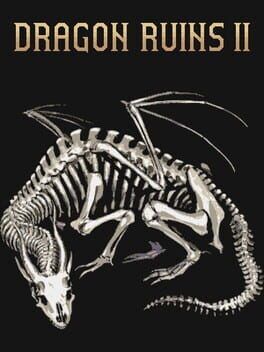
Dragon Ruins II is exactly the kind of game that slips into a JRPG fan’s life and refuses to leave. It looks modest and leans heavily on auto‑battling, yet beneath the lo‑fi presentation is a quietly sharp dungeon crawler that understands the appeal of “one more run” better than many bigger-budget peers.
You run a four‑person guild operating out of the capital of Isigwere, taking on bite‑sized quests that all funnel into 15 distinct dungeons. The structure is simple: pick a quest, dive a few floors, clear an objective, pop back to town, tune up the party, then head straight back in. That repetitive loop is the point, and Dragon Ruins II makes it moreish rather than monotonous.
Combat loop: smart autobattling instead of stress
Dragon Ruins II is an autobattler in combat, but not a passive one. Encounters trigger as you explore grid‑based floors, then your party executes their skills automatically based on AI routines and cooldowns. Your job happens between fights: tuning skill loadouts, altering formation, swapping gear and choosing which classes complement each other.
The appeal is in watching a team you meticulously built absolutely melt an enemy wave or, just as often, crumble because you forgot to pack status resistances for that dungeon’s nastier tricks. Fights resolve fast and clean, which suits the game’s snackable pacing. You rarely spend more than a minute in any given encounter, making it ideal for short sessions.
The downside is that if you enjoy active command of every turn, Dragon Ruins II can feel hands‑off. There is no moment‑to‑moment tactics layer beyond deciding whether to push deeper or retreat. The thrill comes from preparation and incremental optimization, not improvisational clutch plays.
Party building: 21 classes, real synergy
Party crafting is where Dragon Ruins II earns its keep. You choose 4 characters from 21 classes, from bread‑and‑butter picks like Fighter and Priest to more esoteric options like Hexer‑style debuffers and buff‑stacking support. Each class leans into clear roles, with skill trees that subtly pull you toward different team concepts.
The fun lies in discovering that a shield‑heavy Defender can cover for a fragile glass‑cannon Ranger, or that a poison‑centric Rogue line pairs perfectly with a support who extends debuff durations. Passive skills and gear traits often interlock in surprising ways, and the game is generous enough with respecs and new recruits that experimentation never feels punishing.
Across all platforms, menus respond quickly and load times between town, party screens and dungeons are snappy, which matters when you are constantly tinkering. This is a game you play half in menus, half in dungeons, and the rhythm between the two is tuned well.
The 15 dungeons: repetition with a twist
All progression runs through 15 dungeons, each tied to a subset of quests. The hook is that every time you take a new quest into a dungeon, the enemy mix and visual palette shift. Early goblin‑haunted caves cycle through darker variants with new hazards, while late‑game ruins add elite enemies, longer status chains and denser floor layouts.
These dungeons are not sprawling labyrinths so much as compact, repeatable routes that change in detail rather than layout philosophy. For console dungeon‑crawler fans used to the likes of Etrian Odyssey’s labyrinthine mazes, Dragon Ruins II’s floors can feel small and utilitarian. The payoff is that you are never far from your next reward or party upgrade, and the game always respects your time.
The variety holds up across the 15‑dungeon roster, but you will see tilesets and room shapes repeat. The quest system mitigates this by rotating objectives and slightly reframing old spaces, though late in the game the repetition becomes more visible if you are marathoning runs.
Xbox, PlayStation and Switch: where should you crawl?
Mechanically the game is identical across Xbox, PlayStation and Switch, and the light visuals mean performance is rock solid everywhere. The biggest difference is feel.
On Xbox Series and PS5, Dragon Ruins II is crisp and sharp but also clearly a low‑budget grid crawler running on powerful hardware. It works, but blown up on a large TV the basic sprites and static town screens can look especially plain. Load times are minimal and suspending mid‑quest is painless, which suits drop‑in sessions.
On Switch, the game finds its natural home. The dense text, menu‑driven party building and quick‑hit dungeon runs were made for handheld play. Flicking between quests on a commute or knocking out a few runs in bed feels frictionless, and the soft pixel art looks better on the smaller screen. Performance in both docked and handheld modes is steady, but this is the version that best suits the game’s “RPG for tired people” design.
DualSense haptics and Xbox rumble support are functional rather than transformative, lightly punctuating level‑ups and critical hits without adding much nuance. There is no platform‑specific content, and cloud saves are tied to their respective ecosystems, so your choice comes down to where you prefer to grind.
For console dungeon‑crawler fans
Dragon Ruins II is not trying to be a sprawling epic; it is a focused comfort crawler built around a satisfying loop of explore, auto‑fight, tweak the party, repeat. If you love diagramming intricate maze floors or issuing individual commands every turn, this will feel lightweight. But if you enjoy building devastating parties and watching your planning pay off across a string of quick dungeons, it is quietly compelling.
On Xbox and PlayStation it plays well but looks unremarkable. On Switch it blossoms into the sort of dependable, low‑pressure dungeon grind that sits perfectly alongside bigger JRPGs. For fans of console dungeon crawlers who value smart party building and a well‑tuned grind over high production values, Dragon Ruins II is easy to recommend.
Final Verdict
A solid gaming experience that delivers on its promises and provides hours of entertainment.