
Review
By Parry Queen
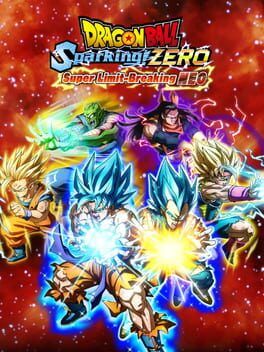
Image: IGDB
Store links: Dragon Ball: Sparking! Zero - Super Limit-Breaking NEO on Steam
A huge roster drop with a risky centerpiece
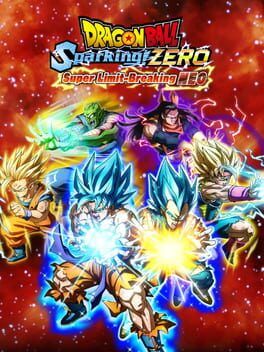
Dragon Ball: Sparking! Zero’s Super Limit-Breaking NEO DLC is built around one concrete hook: 33 new playable characters. That number is confirmed across multiple review sources, including Console Creatures, Push Square, TheGamer, Yahoo Tech’s CGMagazine-sourced review text, and Metacritic’s listing summary, which describes the expansion as adding about 30 characters alongside customization, stages, and a solo mode. The tension is that the biggest number in the package is not necessarily its most important test. For competitive and casual players alike, the question is whether Super Limit Neo meaningfully changes the reasons to keep playing Sparking Zero after the spectacle of a larger select screen wears off.
The answer is uneven. As Dragon Ball Sparking Zero DLC, this is a generous content drop on paper. It fills obvious representation gaps from the base game, especially original Dragon Ball, and it gives long-time Budokai Tenkaichi fans a deeper toy box. As a repeat-play expansion, it leans heavily on Limit Breaker Journey, a new solo stat-building mode with roguelike failure rules. That mode has interesting ideas, but reported criticism from Push Square and Metacritic-listed reviews points to repetition, difficulty spikes, and a lack of meaningful structure. The result is a DLC that improves the roster fantasy far more than it improves the training loop.
The roster is the cleanest win, especially for original Dragon Ball fans
The most persuasive part of Super Limit-Breaking NEO is its character spread. Console Creatures reports additions from original Dragon Ball, Dragon Ball Z, Dragon Ball GT, and Dragon Ball Super, naming characters such as King Piccolo, Chi-Chi, Bardock Super Saiyan, Mercenary Tao, Majunior, Spike the Devil Man, Pikkon, Tora, Grandpa Gohan, King Vegeta, Trunks GT, and Nuova Shenron GT. Yahoo Tech’s review text also highlights Super Android 17, GT Vegeta, Mercenary Tao, Demon King Piccolo, and Spike the Devil Man, while TheGamer says original Dragon Ball receives overdue attention through fighters including Eighter, Nam, Ma Junior, and World Tournament Goku.
That matters for roster value because Sparking Zero’s launch appeal was already tied to scale. Zaru_thustra’s review text describes the base game as having over 182 fighters, while other sources frame the original release as already content-rich. Adding 33 more combatants to a roster that large risks feeling redundant if the new fighters are mostly alternate Saiyan variants. The better news is that Console Creatures specifically praises the DLC for adding variety rather than simply stacking more Goku and Vegeta versions. Push Square is more guarded, calling the lineup erratic and suggesting some picks feel like gaps being filled after the fact, but even that critique acknowledges the pack’s role in fleshing out the total roster.
From a fighting game perspective, this is the part of the DLC casual players will feel immediately. A character like Devilman or Mercenary Tao changes the matchup texture more than another high-power transformation would, even if Sparking Zero is not trying to be a strict tournament fighter in the FighterZ mold. Yahoo Tech’s review text notes that some legacy Dragon Ball characters use unique attacks tied to the top face button, sometimes replacing ki blasts with moves that better match the gag-era source material. That kind of input-level distinction is what helps a novelty character survive past one lab session.
Combat flow benefits from variety, but the core balance question remains
Super Limit Neo does not appear to overhaul Sparking Zero’s underlying combat. None of the provided sources report a systemic rebalance, new defensive layer, or redesigned neutral game. That means the DLC’s effect on combat flow comes through character selection, move identity, stages, and the new Battle Arts and stat-building systems connected to Limit Breaker Journey.
For players trying to improve, that distinction is important. Sparking Zero’s combat still lives in the same fast, over-the-shoulder, arena-fighter rhythm described by Zaru_thustra: instant movement, aura pressure, wide mobility, and explosive finishers. The DLC gives you more matchup bodies to learn, but it does not solve the historical problem Zaru_thustra identifies with the series and this game: large rosters can hide homogeneity, and single-player AI can be outsmarted once basic patterns are understood. If you already bounced off Sparking Zero because you wanted tighter frame-data discipline, safer punishment windows, and cleaner competitive readability, Super Limit-Breaking NEO is unlikely to convert you.
That said, there is value in a roster expansion that broadens interaction types. The reported inclusion of original Dragon Ball fighters, movie characters, GT picks, and Super-era additions should create more casual room nights where players are surprised by animations, dialogue, and specials. Yahoo Tech’s review text specifically mentions unique dialogue between characters as fan-service value. That does not make the pack competitively essential, but it does give local versus and casual online more air. For improvement-focused players, the real question is whether your scene will adopt the new fighters often enough to justify learning their ranges, resource routes, and vanish timings.
Limit Breaker Journey has the right idea and the wrong rhythm
The DLC’s new solo mode, Limit Breaker Journey, is the biggest swing. Console Creatures describes it as a mode where players choose a favorite Dragon Ball character, travel across a map, take on battles and events, earn experience, unlock SP, and spend points to strengthen six base stats during a run. The same source says players spar across 10 levels, encounter random events and bosses, and restart the run if defeated. Battle Arts add special effects, such as boosting physical and ki attacks.
On paper, that is a smart answer to a common Sparking Zero problem: once you have played through story scenarios and sampled the roster, you need a reason to keep piloting the same character beyond fandom. Push Square reports that powered-up characters from Limit Breaker Journey can be taken into casual online matches or other single-player options, which is an interesting bridge between solo grinding and player expression. If a casual Gohan main wants to build a version with a specific stat profile and then bring that build into lower-stakes online play, the mode gives that player a personal progression hook.
The issue is consistency. Push Square says the mode is hurt by sharp difficulty spikes, with CPU opponents sometimes feeling weak and other times unforgiving regardless of the indicated power level on the map. It also criticizes the roguelike failure structure because losing strips away temporary items or abilities and sends the player back to the start. Metacritic’s critic excerpts echo that concern: LevelUp calls the mode repetitive, while Push Square’s excerpt says the solo mode does not meet its billing. For a fighting game player, that is a serious flow problem. Training works when feedback is legible. If a run ends because the mode rolled a brutal CPU encounter rather than because you made clear tactical mistakes, the loop teaches frustration instead of adaptation.
Stages, cosmetics, and story additions help, but source details do not fully line up
Super Limit-Breaking NEO also adds stages, customization, and story content, although the exact stage count is messy across the available sources. Console Creatures reports four new stages: Kame House, Kami’s Lookout, Planet Vegeta, and Bitter Tundra. Yahoo Tech’s review text says the expansion includes “3 new stages” but then lists what appears to be four locations: the Super Broly tundra biome, Kame House, Kami’s Lookout, and a Super-inspired Space level. Push Square refers to new stages without giving a count, and Metacritic’s publisher summary simply says new stages. Based on the provided material, the safe conclusion is that the DLC adds multiple stages, but the named lineup and count are not consistently reported in these excerpts.
The qualitative assessment is also mixed. Console Creatures calls Kame House a beautiful island setting and describes Kami’s Lookout, Planet Vegeta, and Bitter Tundra as familiar additions that add variety without feeling especially inspired. Push Square is warmer, saying the new stages are quite nice. Yahoo Tech frames the stages as helping round out representation across Dragon Ball eras. For casual repeat play, that is enough to reduce visual fatigue. For competitive-minded players, stages matter mainly if their geometry, camera behavior, or environmental clutter affects tracking and pressure. The provided sources do not report stage-specific performance or visibility issues, so there is no evidence here to call them a competitive problem.
Story additions are described as a bonus rather than the main draw. Yahoo Tech’s review text says legacy characters including Cell, Tien Shinhan, Yamcha, and Krillin receive story episodes with what-if scenarios. It praises them as fun but says they could have gone further with more outlandish ideas. That fits the broader Super Limit Neo pattern: a lot of welcome material, not all of it shaped into a strong new pillar.
Platform availability is broad, but price is the unanswered pressure point
Metacritic lists Dragon Ball: Sparking! Zero: Super Limit-Breaking NEO as released on July 30, 2026, with platforms shown as Nintendo Switch, Nintendo Switch 2, PlayStation 5, Xbox Series X, and PC. Console Creatures links to a Bandai Namco article and describes the expansion as available for PC and consoles. The provided sources do not include a price, and that missing number makes the buy-or-wait call harder than usual.
Several sources make price sensitivity part of their judgment. Push Square says the DLC becomes expensive quickly if the new characters are the main attraction. Metacritic’s LevelUp excerpt recommends waiting for a sale, while Gameliner’s excerpt calls the expansion pricey but says dedicated Dragon Ball fans will find fun in it. That is the practical read: the Super Limit Neo DLC is much easier to recommend if the roster is your main reason to return, and much harder to recommend if you are buying primarily for a durable new solo mode.
No provided source gives technical performance data by platform, PC requirements, upgrade paths, or pricing tiers. That means this Dragon Ball Sparking Zero Super Limit Neo review cannot responsibly rank versions or recommend a specific platform beyond noting the listed availability. If you care about online population, input consistency, and matchmaking health, buy where your regular opponents are. If you care mainly about solo progression, wait for a discount unless the 33-character roster list already contains several must-play names.
Verdict: strong fan service, modest competitive value
Super Limit-Breaking NEO meaningfully expands Dragon Ball: Sparking! Zero as a character museum and casual versus platform. It makes the roster feel more complete, especially by improving original Dragon Ball representation, and it adds enough stages, customization hooks, dialogue, and story extras to give returning players reasons to reinstall. If your favorite missing oddball finally made the cut, this is the kind of DLC that can feel tailor-made.
As a competitive or improvement-focused expansion, it is less convincing. The new fighters add matchup variety, but the provided sources do not support any claim of a major combat-system upgrade. Limit Breaker Journey has a smart progression premise, yet reported difficulty spikes and repetitive run structure weaken its training value and repeat appeal. A good fighting game mode should make losses readable. This one, according to Push Square’s account, too often makes them feel like a bad dice roll.
Buy Super Limit-Breaking NEO now if Dragon Ball roster depth is your main reason to play Sparking Zero, especially if you wanted original Dragon Ball and GT representation. Wait for a sale if you need a polished solo mode, a meaningful competitive refresh, or price-to-hour certainty. It is a bulky, affectionate DLC with real value, but its best content is on the character select screen rather than in the long-term loop.
Final Verdict
A solid gaming experience that delivers on its promises and provides hours of entertainment.