
Review

By Parry Queen
A natural fit for handheld, with a few small scuffs
despelote was already a modest game technically, built around slow walks, gentle dribbling, and conversations in the streets of Quito. That low-intensity design pays off on Switch. On Nintendo’s hybrid, this is a stable, quietly impressive port that suits the hardware’s strengths without completely matching the crispness of PC and other consoles.
Frame rate and overall smoothness
The Switch version targets 30 frames per second, and for the most part it holds that line. Strolling through backstreets or chatting in smaller spaces is consistently smooth, with no major hitches or stutters. The game’s pace is leisurely, and that hides small dips well.
In busier scenes, where crowds fill plazas and there are lots of moving objects, you can feel minor drops below 30. These are brief and not game-breaking, but sensitive eyes will notice a bit of uneven motion. Crucially, there is no intrusive screen tearing and no wild swings in performance; it is more of a gentle wobble than a collapse.
Compared to the higher-end consoles and PC, which hit a more fluid frame rate and feel a touch more responsive, Switch comes off as less silky but perfectly serviceable given the relaxed gameplay. You will not be threading split-second shots on goal here, so the lower cap is not a meaningful problem.
Resolution, image quality, and visual compromises
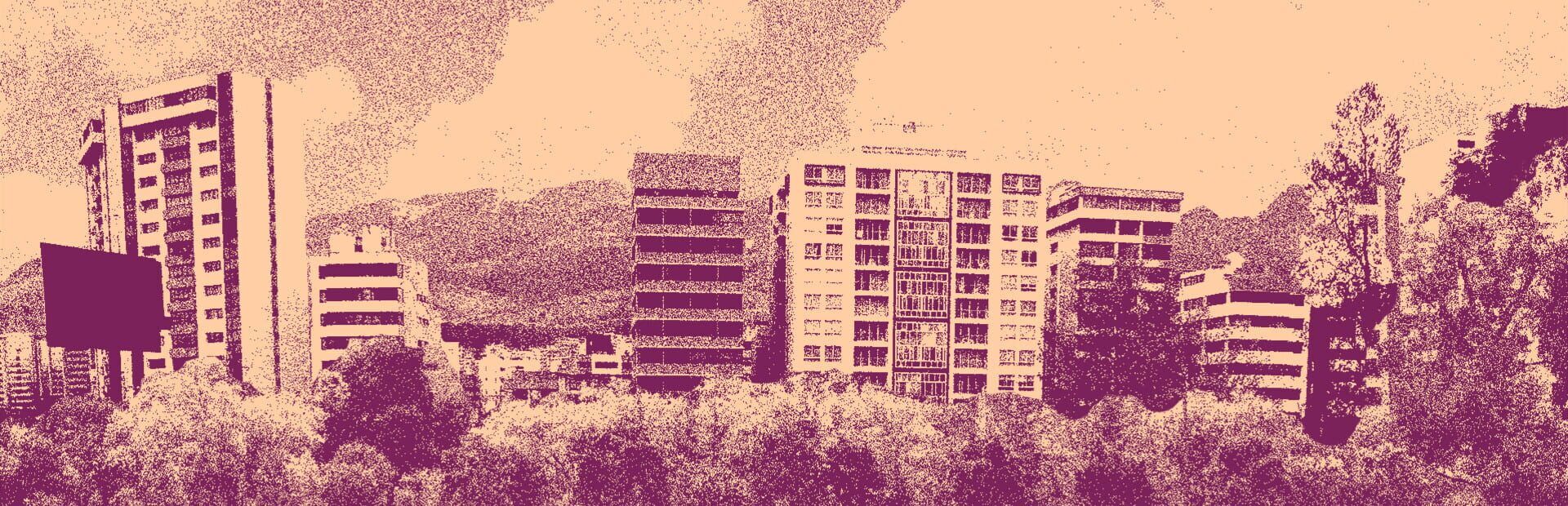
Visually, despelote relies on its photorealistic, almost documentary treatment of Quito, with filtered photos and subtle 3D geometry. On Switch that look survives intact, but there are clear cutbacks.
In handheld mode, the game runs at a relatively low native resolution, which the small screen helps to disguise. Fine details in distant buildings and foliage are slightly smudged, and the already grainy photographic look takes on extra softness. Up close, character models and the ball remain clear enough, and the art direction does most of the heavy lifting.
Docked, the weaknesses are easier to see. Edges are rougher, and the image looks more aliased and blurred beside the cleaner image on PC or PlayStation. Texture resolution appears pared back in places, especially on background signage and wall details. There is also fairly aggressive ambient occlusion and post-processing that can make scenes look a bit muddy on a large TV.
The trade-off, though, is that the Switch version preserves the game’s strong sense of place. Lighting, color grading, and the overall mood are consistent with other platforms. This is plainly the same Quito, only filtered through a slightly foggier lens.
Controls, stick play, and gyro
Control wise, despelote maps very naturally to Switch. Standard stick and button input works exactly as expected for movement, camera control, and ball handling. Dribbling with the left stick and feathering the right for camera feels comfortable both in handheld and with a Pro Controller.
There is no meaningful gyro aiming or motion-specific control layer in the Switch version. If you were hoping for finely tuned flicks of the Joy-Con to bend shots or nudge the ball, that is not a part of the design. Given the game’s narrative focus, this is not a deal-breaker, but it is worth knowing there are no Switch-exclusive control tricks.
Input latency is low enough that juggling the ball, lining up passes, or brushing it past pedestrians feels responsive. The slower pacing once again helps here; even docked, where Switch often exposes lag more easily, the game feels immediate enough for what it is asking you to do.
Loading times and stability
Loading is one of the Switch port’s stronger points. Initial boot into the game is a short wait, and transitions between areas are brisk. You will rarely be staring at a loading screen long enough to break the easy rhythm of wandering and kicking the ball around.
Across extended sessions, the build is stable. There are no frequent crashes or glaring streaming issues where geometry pops in late or textures take ages to resolve. It is not instant, but it is solid and unobtrusive.
Should existing fans double-dip on Switch?
If you already own despelote on PC or a more powerful console, the question becomes where you most want to inhabit its version of Quito.
For players who value handheld play, the Switch version is easy to recommend. The game’s short, vignette-driven structure and relaxed pace are almost tailor made for portable sessions. In handheld, the softer image does not hurt nearly as much, and the ability to curl up on the sofa or take it on the go suits the tone of childhood memories and idle street football.
If you are primarily a docked player with access to another platform, the case for double-dipping is weaker. You will get a clearer, cleaner presentation elsewhere, with higher frame rates and sharper textures. Switch docked is fine, but it is definitively the compromised way to see the game on a big screen.
So, as a performance package, despelote on Switch is a strong port judged by this hardware. Frame rate is steady enough, visual sacrifices are controlled rather than catastrophic, controls feel natural, and loading is pleasantly quick. For fans who want to revisit Quito in bed or on a train, it is a very defensible second purchase. For those already content on PC or other consoles and who play almost exclusively on TV, it is probably not worth buying again.
Final Verdict
A solid gaming experience that delivers on its promises and provides hours of entertainment.