
Review

By Pixel Perfect
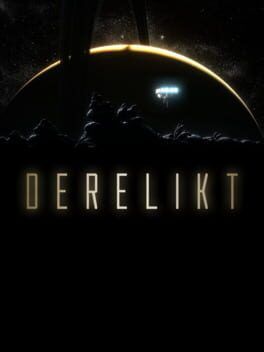
Image: IGDB
Store links: Derelikt on Steam
A $24.99 throwback with a modern problem
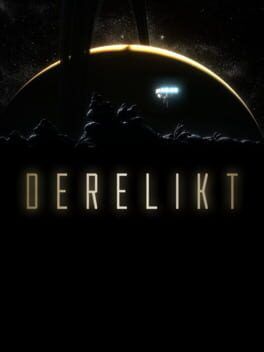
Derelikt arrived on November 13, 2026, with developer Visuwyg and publisher Hyperstrange aiming for a very specific illusion: a sci-fi horror FPS that feels like it escaped from a late-1990s console shelf. CGMagazine lists the PC MSRP at $24.99, and multiple outlets reviewed it on PC at launch. The tension is that Derelikt’s best idea is also its biggest risk. Its PS1-era visual language, manual-save flavor, limited resources, and low-handholding level design are the pitch, but those same choices can blur the line between deliberate period craft and plain friction.
Across the supplied reviews, there is real agreement on the foundation. GameWatcher identifies Derelikt as the work of solo developer Visuwyg, also named as Philipp Jensen, with Hyperstrange publishing. The Wand Report also credits Jensen and notes a November 13 release. CGMagazine calls it a first-person shooter with survival horror elements, while Metacritic’s listing says the game is inspired by System Shock 2, Alien Resurrection, and Doom 3. Those influences are easy to understand from the reported setup: a remote research outpost, an anomalous asteroid, failing systems, corporate science, alien influence, and a lone contractor sent into the mess.
There is one small source conflict worth flagging. GamingBolt, I Dream of Indie, and Metacritic describe the station as tied to an asteroid in Saturn’s orbit. CGMagazine’s review says the Von Neumann Outpost hovers around Venus. Given the wider agreement in the other supplied material, Saturn appears to be the better-supported description here, but the discrepancy exists in published coverage.
The strongest part is the way the outpost asks you to read it
Derelikt stands apart most clearly when it treats the Von Neumann Outpost as a space to study rather than a corridor to clear. GamingBolt reports that the game wastes little time establishing the premise, then leans into secrets, locked doors, terminals, vague clues, and codes that require interpretation instead of simple note-matching. That old-school structure is where the game’s retro design becomes functional rather than cosmetic. The pleasure is in getting your bearings, downloading a map, remembering a locked route, then realizing that a clue pointed to something nearby rather than handing you a solution.
CGMagazine similarly highlights environmental storytelling, saying collectibles and flavor text help drip-feed lore while adding to the foreboding isolation of the world. GameWatcher goes further, praising the writing and world-building around AOC, its rival PYC, and the research station’s unraveling. The shared throughline is important for this Derelikt review: the game’s best pacing does not come from constant combat escalation. It comes from spatial curiosity, from the feeling that every terminal, corpse, office, and sealed door might be part of the same corporate nightmare.
That makes Derelikt an easier recommendation for players who miss the slower investigative rhythm of older immersive shooters and survival horror hybrids. If you want objective markers to keep the tempo smooth, the same design may feel archaic. Screen Hype’s Metacritic excerpt frames that divide neatly, calling out retro aesthetics, minimal handholding, and manual saves as strengths for the target audience but possible barriers for players who read old systems as inconvenience.
The retro presentation has intent, not only imitation
On presentation, the consensus is unusually clear: Derelikt understands the texture of the era it is chasing. GameWatcher describes fake PlayStation-style startup touches, memory card-inspired save screens, crunchy loading sounds, dithering, texture warping, and optional HD and widescreen settings. CGMagazine reports native 4:3 support and optional texture-warping quirks, even noting that the reviewer played entirely in 4:3 on a Sony Trinitron. The Wand Report says the warped geometry makes the outpost feel alive and ties the visual instability to the Lovecraftian setup.
That matters because nostalgia-driven retro indie games often stop at filters. Derelikt appears to go deeper. The fake startup, faux memory cards, disc-spinning load icon mentioned by The Wand Report, and era-specific image treatment all support the fantasy that this is a recovered 1999 shooter. GameWatcher quotes Jensen’s stated intention for Derelikt to feel like a lost 1999 title found on an unmarked disc and ported to modern platforms in 2026. Based on the supplied coverage, that design target is the game’s clearest achievement.
The practical upside is that Derelikt offers some flexibility. The Wand Report says the HD option is easier on the eyes while preserving the creator’s intention, and GameWatcher also notes modern display options. For a retro indie game built around visual degradation, that choice is welcome. It lets the aesthetic create mood without forcing every player to endure the harshest version of it for the full campaign.
Combat has crunch, but the friction is not always useful
Derelikt’s mechanical polish is where the praise becomes much more conditional. CGMagazine reports a healthy weapon spread, including sidearms, assault rifles, shotguns, mining equipment, and exotic alien technology. The same review says limited resources and item stacking give the game a survival horror edge, but that the system can feel unintuitive and clunky. The Wand Report calls the gunplay responsive and satisfyingly crunchy, yet flags enemies that can rush too close and an aim glitch that can interfere with play.
GamingBolt’s criticism lands in a similar place from a different angle. Its review says the movement controls can feel gimmicky at key moments, describing frustration during a spider swarm when the player was trying to respond under pressure. That is a familiar danger in retro design. Slow, awkward, or fussy movement can create vulnerability, but if the player feels they are fighting the interface rather than the creature, dread turns into irritation.
The reported bugs sharpen that concern. GameWatcher’s headline characterization calls Derelikt brilliant but bug-ridden, and its review says the game threatens to undermine itself through many smaller issues. The Wand Report mentions a serious reload issue where maximum ammo sometimes was not placed into the weapon. These are not minor complaints for a game built around limited supplies and tight encounters. If ammo management is part of the tension, reloading reliability has to be invisible. When it is not, the survival layer starts to feel compromised.
Atmosphere works best in the walls, less consistently in the sound mix
Derelikt’s atmosphere seems strongest when art direction, world-building, and environmental pacing overlap. Metacritic’s summary says the game leans into being under-equipped, out of your depth, and far from help. The Wand Report praises the way its choppy textures, monoliths, glyphs, corporate expansionism, and distant hums combine into a strange sci-fi mood. GameWatcher compares some of the setup to Dead Space, while also citing a hint of Junji Ito’s Uzumaki in the way asteroid fragments appear to draw people into recursive behaviors and thought patterns.
Audio is more divisive. GamingBolt says the sound design effectively conveys tension, but also argues that tension fades when most enemies go down to a few well-placed shots. The Wand Report points to strong musical cues when combat starts, including a horn cue for squid-like Proxies. I Dream of Indie is far harsher, criticizing poor sound mixing, cheap jump scares, repetitive enemy grunts, silence in some areas, and generic ambient loops, ultimately arguing that the game fails to build fear through sound.
For players, that split matters. Derelikt can clearly generate atmosphere through space, image, and lore, but the supplied reviews suggest its horror pacing is uneven. It may unsettle you through isolation and discovery. It may not consistently scare you through encounter design or sound-driven anticipation. That distinction is key to whether this Derelikt PC review points you toward an immediate purchase or a cautious sale-watch.
Buyer guidance and score rationale
Derelikt is easiest to recommend to players who actively want late-1990s friction: manual-save flavor, minimal guidance, chunky combat, low-fi cosmic horror, and levels that ask you to observe before advancing. It is a much tougher sell if you want modern readability, seamless movement, reliable combat systems, and polished horror audio. Metacritic currently labels the critical reception as generally favorable based on eight critic reviews, with five positive reviews and three mixed reviews in the supplied listing. CGMagazine scored it 7, GameWatcher’s excerpt on Metacritic praises it as close to a lost FPS classic if players can get past glitches, and I Dream of Indie presents the strongest dissent by calling it bland and poorly executed.
Our score reflects that split. Derelikt’s atmosphere and presentation have enough craft to stand apart from a nostalgia cash-in, especially in its menus, display options, PS1-authentic visual treatment, and environmental storytelling. Its pacing is appealing when the outpost opens into clue-reading and backtracking, but less convincing when combat and movement expose awkward edges. Mechanical polish is the limiter. Reported reload issues, aim glitches, clunky inventory behavior, and movement frustrations keep this from being the easy cult-classic recommendation its setting and style seem built to become.
If you are the sort of player searching specifically for a Derelikt game experience that feels like a recovered PS1 sci-fi horror shooter, this is worth considering now, especially at the reported $24.99 PC price. If your tolerance for bugs is low, waiting for patches is the smarter move. Derelikt has the mood and enough design intelligence to rise above pure nostalgia, but it does not always have the consistency to make its roughness feel intentional.
Final Verdict
A solid gaming experience that delivers on its promises and provides hours of entertainment.