
Review

By Parry Queen
A cursed semester finally begins
After years of showings, delays, and shifting release windows, Demonschool has finally arrived on Nintendo Switch. Necrosoft Games’ tactics RPG has always sold itself on a sharp pitch: Persona-style school life and time management wrapped around compact, Into the Breach-style encounters, all drenched in Italian horror flavor. The good news is that the finished product mostly delivers on that promise. The less-good news is that some repetition and a few technical blemishes keep it from true top-of-class honors.
Horror with personality, not just darkness
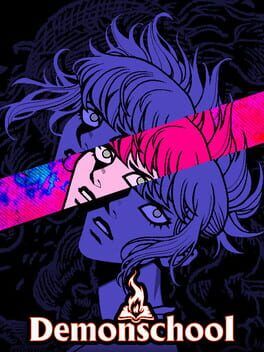
Demonschool casts you as Faye, the latest in a bloodline of demon hunters trying to keep a thinning barrier between the human world and a demon-infested other realm from collapsing. The story leans into occult conspiracies, cursed faculty, and a university built on bad decisions, but it never slides into misery. Instead, it hits a sweet spot between campy and unsettling. Think Saturday-night horror marathon filtered through a noisy, saturated pixel-art aesthetic.
The art direction is the immediate draw. Characters are expressive 2D sprites strutting around chunky 3D environments, with bold color palettes that make the campus and hellish arenas pop. Demons look like they crawled out of a forgotten PS1 horror prototype. The soundtrack rides a mix of jangly rock, eerie synths, and laid-back campus grooves that fit both the daily routine and the spike of tension when a portal tears open. It nails a specific mood: this world is wrong, but it is also fun to hang out in.
The horror elements are more about vibes and imagery than outright terror. There are some unsettling enemy designs and a handful of story beats that go darker than you might expect from the Saturday-morning color scheme, yet Demonschool is more creeping dread than jump-scare machine. That balance works, keeping the tone playful while still giving the supernatural stakes some weight.
A school-year calendar with real pressure
If you have played Persona, the broad structure will feel familiar. The game runs on a calendar, broken into days with a limited number of time slots. Morning classes move the story forward, while afternoons, evenings, and weekends are where you choose what to do: hang out with party members, explore the island, take on side jobs, or push the main investigation into new demon-ridden zones.
Each interaction on the calendar is a tradeoff. Spending time with a character deepens your relationship, unlocks passive bonuses, and can open up new combat options. Exploring town uncovers side quests and battles that reward gear and experience. Focus too much on one track and you risk arriving under-leveled or under-prepared for the big ritual-gone-wrong waiting at the end of a chapter.
Compared to Persona’s social links, Demonschool’s bonds are a bit lighter on multi-layered character arcs, but they do tie cleanly into the tactics layer. Raising affinity may unlock new tag-team abilities or strong passive perks that directly change how you position units in battle. It feels less like flipping through a visual novel and more like coaxing out the pieces of a squad-building puzzle.
The calendar structure is generally satisfying, though it can fall into a rhythm that borders on predictable. You will often know you are moving toward a big event because the game starts lining up required story scenes in the morning slots. There is some freedom in how you fill the gaps, but the rails are always visible. That said, the sense of advancing through weeks, midterms, and creeping occult weirdness gives the game a clear, propulsive spine.
Motion equals action: tactical combat that rewards planning
Demonschool’s combat is turn-based and grid-based, but it trims a lot of genre cruft. The central idea is that moving a character is their action. There are no separate move and attack phases. Instead, you plan your entire squad’s moves in a “tactics phase,” watching ghost images preview where they will end up and which enemies they will hit. Once you are satisfied, you hit “execute” and watch the whole plan unfold in a single rush of motion.
This structure gives even small encounters a satisfying chess-like quality. You are constantly lining up knockbacks to slam demons into hazards or each other, nudging squishy casters just out of attack range, and setting up chain reactions where one character launches a foe into position for another’s finisher. Since both ally and enemy actions resolve in a clear sequence, you have to think about initiative, turn order, and how to minimize the number of attacks your squad will eat after your plan plays out.
Depth comes from how distinct each party member feels. You have straightforward brawlers who like to be in the thick of things, ranged specialists who carve up lines of enemies, and support types who can reposition allies or manipulate the grid itself. As bonds rise, you unlock team attacks that turn careful positioning into massive area damage or multi-hit combos. You can see the Into the Breach DNA in how the game emphasizes advance knowledge of enemy behavior and encourages you to “solve” turns rather than brute-force them.
The difficulty curve on Switch is generally fair but not trivial. Early missions introduce mechanics cleanly, but midgame battles start demanding real efficiency. Errors in the tactics phase can snowball, especially in scenarios with reinforcement waves or environmental hazards. The game is at its best when it presents you with a small team on a compact map and a puzzle-like objective, asking you to clear the board in a tight number of turns or protect vulnerable NPCs while demons flood in from portals.
There are moments where the combat can feel slightly solved, mainly in side missions that repeat familiar enemy mixes without fresh objectives. Once you have developed a reliable set of positioning tricks, those skirmishes turn into satisfying but low-stakes exercises rather than tense knife-edge encounters. Still, the core system is strong enough that even a routine fight has a pleasant snap to it.
School-life choices that matter in battle
Where some tactics RPGs bolt on social systems as flavor, Demonschool makes its school-life layer meaningfully affect combat. Spending afternoons with certain characters might increase their HP or attack power, but it can also unlock new movement options, let them ignore specific hazards, or grant extra actions in tightly defined conditions. You are not just picking your favorite personalities; you are cultivating tools for the battle map.
Side jobs and club activities integrate smoothly. Helping out at the newspaper club might open up rumors that lead to optional dungeons or rare enemies. Taking on research tasks for suspicious professors can reward powerful charms and accessories that bend rules in combat. Even exploration of the campus and the island is tuned to feed back into your tactical toolset, whether through new party members or hidden challenges that encourage mastery of the system.
The flip side is that the writing sometimes spreads itself thin across this wide range of activities. Individual character scenes are usually charming and occasionally touching, but not all of them land, and a few feel like they exist mainly to justify a stat bump. The cast is likable and stylish rather than deeply examined, which fits the game’s brisk pacing but may disappoint anyone expecting Persona-level depth from every relationship arc.
Switch performance after a long wait
Given Demonschool’s prolonged gestation and multiple reported delays, performance on Switch was a real concern. The final version is not perfect, but it is much better than a lot of players probably feared.
Docked, the hybrid 2D/3D visuals look crisp, with clean character sprites and readable battlefields. The game targets 60 frames per second and usually hits it in combat, where responsiveness is most important. The planning phase, cursor movement, and execution of turns all feel snappy, with only occasional hitches when multiple flashy abilities go off at once.
In handheld mode, the strong color contrast and uncluttered UI shine. Small text can be an issue in some menus, but the battle grid itself remains readable. Performance does dip more noticeably here in busy story scenes or effect-heavy encounters, with brief stutters as the engine loads in new areas or enemies. These are mild annoyances rather than showstoppers, and I did not encounter crashes or game-breaking bugs during my time with the Switch version.
Load times land in the acceptable range: a handful of seconds going into or out of battles or major areas, longer when you first boot the game or continue a save. Given the scope of the assets and the platform’s limitations, it feels like Necrosoft spent the extra time tightening screws rather than stuffing in more unchecked content. It still is not as silky as a high-end PC, but as a portable tactics experience, it holds up.
Verdict
Demonschool on Switch is not the flawless crossover of Persona’s social pressures and Into the Breach’s razor-sharp tactics that some early previews might have suggested, but it is a stylish, inventive, and frequently thrilling attempt. The calendar-driven school year gives your choices weight, the horror-meets-campus tone is distinctive and memorable, and the “motion equals action” combat system finds a clever middle ground between accessibility and depth.
Repetition in side content and occasionally thin character writing keep it a notch below genre titans, and a few performance blemishes betray the hardware limits. Yet the core of the game is so confident that it is easy to recommend to tactics fans and anyone curious about a slightly weirder take on the school-life RPG.
After its delays, Demonschool could easily have stumbled out of the gate. Instead, it arrives on Switch as a well-tuned semester in hell that is absolutely worth enrolling in, especially if you want your tactical battles with a side of cursed homework and stylish dread.
Final Verdict
A solid gaming experience that delivers on its promises and provides hours of entertainment.