
Review

By Pixel Perfect
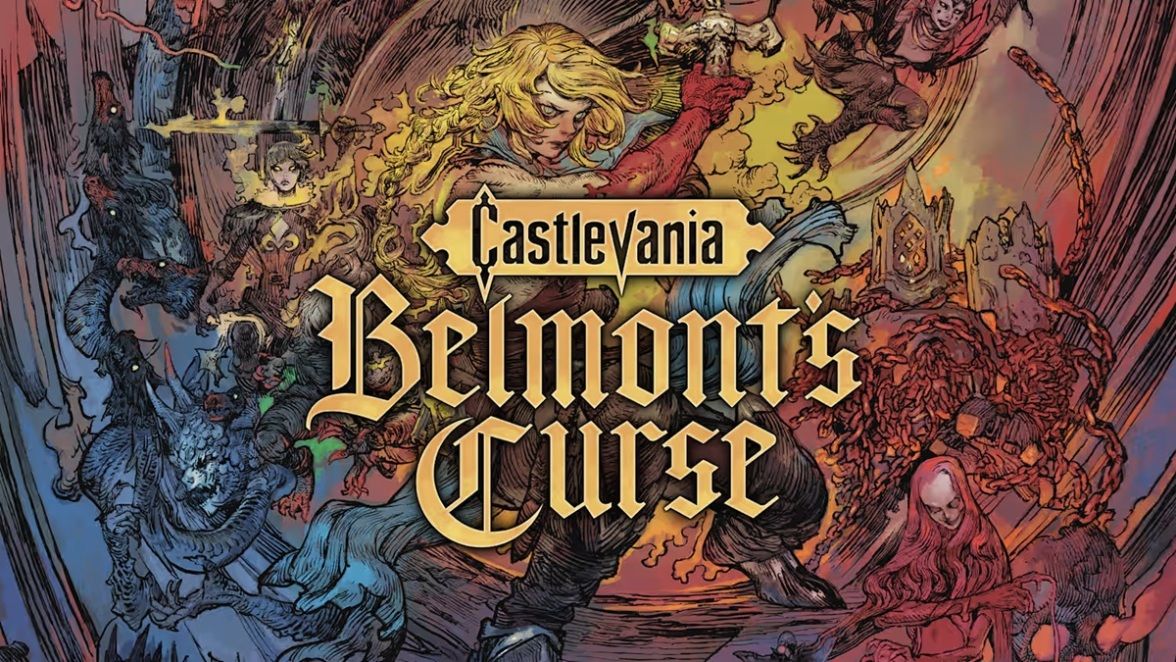
Image: nintendoreporters.com
A long-awaited return arrives with a sharper edge than nostalgia suggests
Castlevania: Belmont’s Curse lands on Nintendo Switch in a strange position: it is being framed by multiple outlets as Konami’s first major new swing for the series after years of remasters and the long gap since Castlevania: Lords of Shadow 2 in 2014, yet it does not behave like a simple throwback. Pure Nintendo notes the franchise’s 40th anniversary context and identifies Konami as publisher, while The Guardian lists the game for PC, PS5, Switch, and Xbox and credits Evil Empire/Konami. Cubed3 and Anime News Network add Motion Twin to the development picture, linking the project’s lineage to the studios’ prior work around Dead Cells: Return to Castlevania. That developer credit is the one place the supplied coverage is not perfectly aligned, so the safest confirmed framing is that Belmont’s Curse is a Konami-published Castlevania with Evil Empire central to its development, with some coverage also naming Motion Twin.
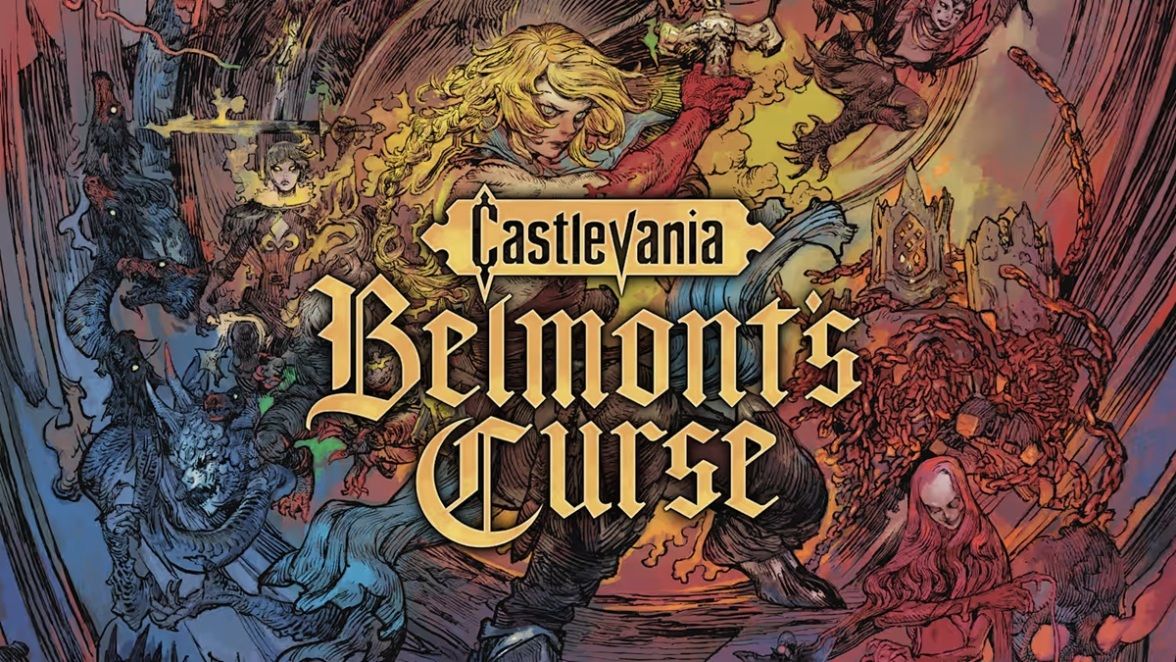
That context matters because this is not a museum piece. If you are coming to this Castlevania Belmont’s Curse review expecting a small retro platformer in the strict NES or Game Boy sense, the Switch release is something else: a modern 2D search-action game with heavy platforming rooms, fast combat, hand-painted art, and a story that folds Netflix-era character familiarity into older series lineage. The setup, as described across Pure Nintendo, Kotaku, Cubed3, and Anime News Network, follows Rose Belmont, daughter of Trevor Belmont and Sypha Belnades, as Paris falls under demonic assault and a family curse shadows her hunt.
The tension on Switch is immediate. Belmont’s Curse clearly wants to be both a fan-service-rich Castlevania return and a bruising contemporary action platformer. Those goals line up beautifully when Rose is carving through monsters, unlocking shortcuts, and snapping between traversal tools. They clash when the game asks for near-instant precision while Rose’s movements and grapple timing feel heavier than the hazards around her. This Nintendo Switch Castlevania review comes down to that tradeoff: Belmont’s Curse has craft, atmosphere, and bite, but its toughest platforming stretches will delight one kind of Castlevania fan and exhaust another.
The platforming is the main attraction and the main argument
Belmont’s Curse puts platforming at the center of its identity more aggressively than many series fans may expect. The Guardian describes large portions of the map as challenge rooms built around buzzsaws, blood pits, air dashes, and death-defying leaps, comparing some sections to Super Meat Boy rather than Symphony of the Night. Kotaku goes further, calling the game relentless, with one hard platforming sequence funneling into another before the player can fully exhale. That matches the strongest and most divisive part of the Switch experience: this is a Castlevania where the room itself is often the boss.
At its best, the level design understands the pleasure of a narrow escape. Cubed3 highlights how traversal opens up after the first boss, giving Rose expanded movement through sliding, countering, grappling, swinging, and wall jumping. The good rooms make those tools feel like a compact language. A wall jump buys height, a dash corrects a greedy angle, a grapple pulls you across a pit, and a shortcut at the far end turns a punishment route into a conquered space. That last part is important. The satisfaction here often comes less from finding a secret and more from earning safe passage through a place that previously looked hostile to human hands.
The rough edge is responsiveness. Kotaku specifically criticizes Rose’s movement, especially the whip grapple, as too slow for some hair-trigger challenges, arguing that the game sometimes demands speed the character does not comfortably have. That complaint is not a deal-breaker, but it is the most meaningful caveat for anyone buying Belmont’s Curse as a retro platformer Switch review candidate. Precision platformers live or die on trust. When I failed in Belmont’s Curse, I usually understood the intended line through the room. In the weaker sequences, I was less convinced Rose had answered the input with the urgency the obstacle pattern required.
That makes the difficulty feel different from classic Castlevania stiffness. Old Castlevania was often about committing to jumps, respecting knockback, and learning enemy placement. Belmont’s Curse is more acrobatic and more modern, but not always as silky as the games it evokes through challenge-room design. Players who love friction and mastery will find a lot to chew through. Players who want the deliberate cadence of early Castlevania or the exploratory flow of Symphony-style entries may find the platforming emphasis abrasive.
Combat gives Rose the authority the traversal sometimes withholds
The combat is where Belmont’s Curse most convincingly justifies its modern direction. The Guardian calls fighting the game’s strongest component, pointing to frenetic encounters, demanding boss fights, and enemies that can punish carelessness. Cubed3 describes combat as built less around long combo strings and more around positioning, reach, weapon choice, and pattern learning. Those details point to a smart foundation: Rose is powerful, but she is not a blender. She succeeds when the player reads space well.
That matters because the combat has more personality than a simple whip-and-subweapon routine. Kotaku reports that defeated bosses become part of Rose’s tarot-based arsenal, with spells including a giant fist and the familiar holy cross. The same review notes that spell upgrades are tied to “Works of Mercy,” special combat or exploration quests, and that the combination of spells, weapons, and trinkets can eventually make Rose extremely strong against combat challenges. Pure Nintendo similarly describes bosses becoming trapped in Rose’s consciousness through tarot cards gifted by her mother, then continuing to shape the journey through dialogue and abilities.
The result is a combat loop that rewards curiosity without turning into stat soup. The Guardian says Belmont’s Curse minimizes role-playing elements and makes leveling feel perfunctory, which will bother players who prize the gear-chase and number-building side of later Castlevania. I found that tradeoff largely works for this specific design. Bosses ask for focus, spacing, and reaction more than menu optimization. Standard enemies hit hard enough to keep rooms tense. The best fights carry a punchy theatricality, with monsters burning, bursting, or collapsing under Rose’s escalating toolkit.
There is a small balance wrinkle. If you complete enough optional combat and exploration tasks, Kotaku’s concern that spells can make combat too easy is worth taking seriously. Belmont’s Curse is harsher as a platformer than as an action RPG, so players who overbuild Rose may discover that bosses fall faster than the spike corridors protecting them. For me, that imbalance did not sink the game because the movement gauntlets continue to provide resistance. It does, however, make Belmont’s Curse feel uneven in where it chooses to be cruel.
Paris, tarot, and family history give the fan service a spine
The story setup could have been thin nostalgia: Belmont child, Dracula’s forces, cursed bloodline, gothic city. Belmont’s Curse gets more out of it by letting Rose’s relationships travel with her. Pure Nintendo praises Rose as headstrong and fearless, and notes that details about her mother’s death and her curse are delivered gradually. The same review says major story beats arrive through interactions with companions and defeated monsters stored through the tarot cards, rather than only through cutscenes. Kotaku identifies some of those voices, including Leon Belmont, Joan of Arc, and Medusa, while also noting Alucard’s conspicuous absence beyond mentions, portraits, and lootable gear.
That structure is a clever fit for Castlevania. The series has always thrived on icons: family names, recurring monsters, holy weapons, old grudges. Belmont’s Curse turns some of those icons into ongoing company. It gives Rose people and creatures to bounce against during exploration, which helps the large map feel less lonely without stripping away the gothic mood. Cubed3 also praises the game’s voice acting, saying it gives characters presence even when they are not directly involved in a scene.
The setting helps. Pure Nintendo singles out medieval Paris and the Notre Dame cathedral’s stained-glass windows as part of the game’s visual appeal, while The Guardian calls the world vivid and haunting. The art direction is a confirmed departure from pixel-art roots. Pure Nintendo compares the hand-painted style to The Rogue Prince of Persia and argues that Konami and Evil Empire made the right choice. That choice will divide purists, especially those who want Castlevania to return through sprites, chunky animation, and old hardware discipline. On Switch, though, the painterly approach gives Belmont’s Curse its own silhouette among the platformers already crowding the eShop.
The caveat is readability. The required media attached to this assignment comes from NintendoReporters.com under the title “First Castlevania: Belmont’s Curse Nintendo Switch Screenshots Raise Resolution Concerns.” The supplied source packet does not include technical findings, frame-rate measurements, or eShop specs, so I am not treating resolution as a proven technical flaw. Still, the concern is plausible in practice because Belmont’s Curse stacks ornate backgrounds, small hazards, and fast traversal in the same rooms. In handheld play especially, visual style and mechanical clarity are in constant negotiation.
Switch value depends on which Castlevania you miss most
As a Switch purchase, Belmont’s Curse is easiest to recommend to players who wanted Castlevania to return with teeth rather than comfort. The supplied sources do not provide a Nintendo eShop price, file size, demo status, physical edition details, upgrade path, or confirmed technical settings, so value has to be judged by design fit rather than a price comparison. What is clear from The Guardian, Kotaku, Pure Nintendo, Anime News Network, and Cubed3 is that this is a full new multiplatform entry, not a small archival release, and its priorities are modern movement, demanding challenge rooms, boss-driven progression, and lore-forward storytelling.
Series fans should ask themselves a specific question before buying: do you come to Castlevania for exploration, combat, or old-school platforming punishment? If combat is your answer, Belmont’s Curse is in strong shape. The weapon variety, spell system, and boss fights give Rose a satisfying arc from trained hunter to supernatural wrecking ball. If exploration is your answer, the recommendation is warmer but qualified. Cubed3 describes a sprawling map with revisitable areas, new paths, secrets, and shortcuts, while The Guardian argues that exploration is less about subtle backtracking and puzzle-solving than mastering platforming gauntlets. There are puzzles, including a castle library sequence and a cursed-portrait cathedral involving a magic organ mentioned by The Guardian, but the broader rhythm leans toward execution.
If classic Castlevania platforming is your answer, Belmont’s Curse is complicated. It honors the idea that moving through Dracula’s world should hurt, but it filters that pain through contemporary challenge-platformer design. That makes it exciting, occasionally hand-cramping, and sometimes less elegant than its best rooms suggest. Kotaku’s criticism of slow-feeling movement in tight timing windows is the warning label I would put on the Switch case.
For handheld-only players, I would wait for detailed technical coverage or user footage if resolution and small-object readability are major concerns. For docked players, lore-hungry fans, and action-platformer diehards, Belmont’s Curse offers enough craft to justify the risk. It is not the safest possible revival. It is sharper, stranger, and more demanding than that.
Verdict
Castlevania: Belmont’s Curse on Nintendo Switch holds up best when treated as a fierce modern action-platformer wearing the Belmont name with real affection. Rose is a strong lead, the tarot structure gives the story a lively way to use bosses and legacy characters, and the combat has the snap and danger a new Castlevania needs after such a long drought. The hand-painted Paris setting gives the game a vivid identity, even if some players will prefer pixel art and others may want firmer technical clarity on Switch readability.
The platforming is both the reason to play and the reason to hesitate. Belmont’s Curse builds memorable rooms out of spikes, pits, grapples, dashes, and shortcuts, but its most punishing sequences sometimes ask for a level of input crispness that Rose does not always seem built to provide. That friction will be thrilling for players who enjoy learning a room until it finally clicks. It will be a wall for anyone hoping for a breezier gothic tour.
As a value proposition for series fans, this is a confident return with a narrow target. Buy it if you want demanding traversal, stylish combat, and a Castlevania story that engages with Trevor, Sypha, Rose, and the wider monster gallery. Wait if you need confirmed Switch technical details, a sale price, or a game closer to the exploratory looseness of the most beloved metroidvania entries. Belmont’s Curse is flawed, but it has a pulse, and for this series, that counts for a lot.
Final Verdict
A solid gaming experience that delivers on its promises and provides hours of entertainment.