
Review

By Story Mode
Call of the Elder Gods Review
Call of the Sea was one of the quiet surprises of 2020. It mixed first-person exploration, tactile environmental puzzles, and Lovecraft-inspired mystery into something surprisingly emotional. Call of the Elder Gods could have easily repeated that structure with a darker coat of paint and called it a day. Instead, Out of the Blue treats this sequel like a chance to widen the scope of its ideas without losing the intimate atmosphere that made the original memorable.
The result is a more ambitious puzzle adventure that leans harder into cosmic horror, builds denser environments, and trusts players to piece together its mysteries through observation rather than exposition dumps. It is not a radical reinvention, but it is a meaningful evolution.
The biggest improvement comes from the game’s environmental storytelling. Call of the Sea already excelled at turning islands, temples, and abandoned structures into narrative devices. Call of the Elder Gods pushes this much further. Every location feels layered with centuries of failed expeditions, strange rituals, and subtle signs of reality beginning to fracture.
The environments themselves do much of the storytelling. Weathered journals sit beside impossible architecture. Murals shift from ancient worship to panic and collapse. Seemingly ordinary rooms slowly reveal details that do not physically make sense once you spend enough time examining them. Out of the Blue understands that cosmic horror works best when players discover the terror themselves rather than having it shouted at them.
That restraint gives the story unusual confidence. Instead of relying on constant jump scares or grotesque creature reveals, the game builds tension through implication. Entire sequences are designed around the fear of understanding too much. The further the player progresses, the more the world bends around impossible geometry, distorted sound design, and subtle visual tricks that suggest the laws of nature are unraveling.
The sequel also does a much better job connecting puzzles directly to the narrative themes. In the first game, some puzzle rooms occasionally felt detached from the emotional arc. Here, the logic challenges are tied closely to ancient languages, celestial alignments, cult practices, and warped spatial mechanics. Solving them feels like uncovering forbidden systems rather than simply unlocking the next door.
The puzzles themselves are excellent. Out of the Blue avoids the common mistake of making difficulty synonymous with obscurity. Most solutions feel intuitive once enough environmental clues have been absorbed. The game constantly rewards careful observation, note-taking, and pattern recognition. Several late-game puzzles stand out for how elegantly they combine audio cues, environmental manipulation, and shifting perspectives.
What makes these sequences especially satisfying is how naturally they escalate. Early chapters gently reintroduce the exploratory rhythm of Call of the Sea, but later sections become more experimental and surreal. Entire spaces transform as knowledge is acquired. Some puzzles require players to reinterpret previous assumptions about the environment itself. It creates a genuine sense of descending deeper into forbidden territory.
The pacing benefits from this escalation. Call of the Elder Gods is noticeably larger than its predecessor, but it rarely feels bloated. New mechanics arrive steadily enough to keep exploration engaging, and the game smartly alternates dense puzzle areas with quieter stretches of narrative discovery.
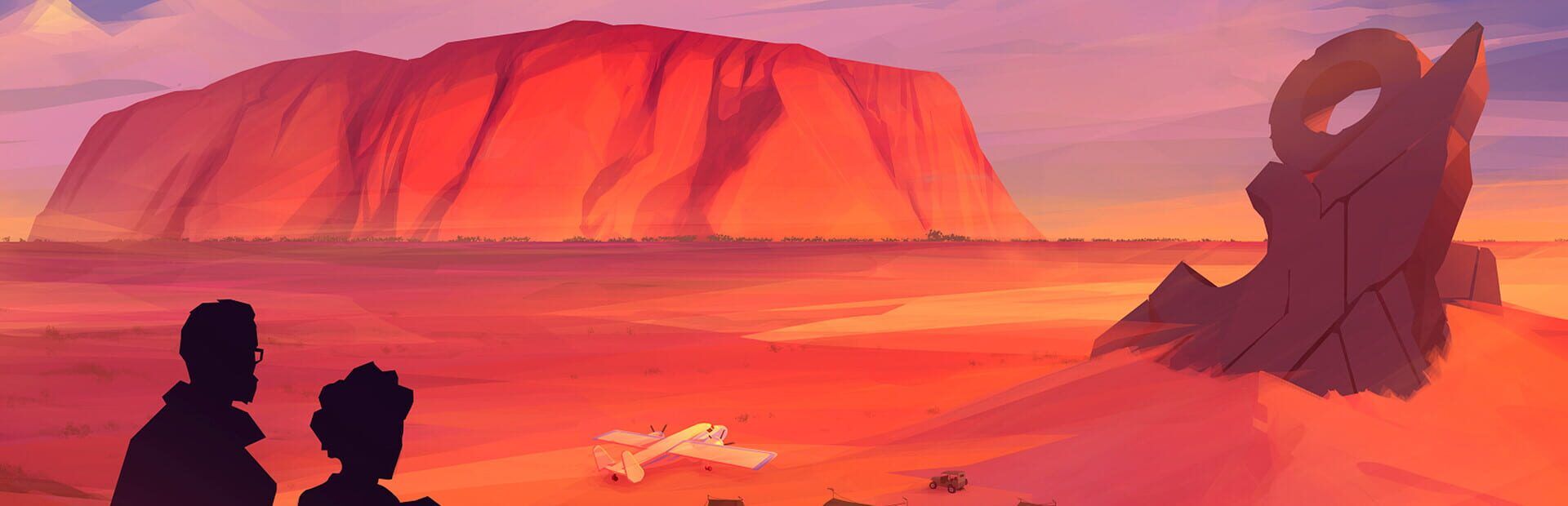
Visually, the game strikes an impressive balance between beauty and dread. Out of the Blue still favors rich color palettes over the muddy darkness common in horror games, but now those vibrant landscapes are contrasted against increasingly unnatural imagery. Oceans shimmer under alien constellations. Ancient ruins pulse with impossible light. Massive structures emerge from fog with terrifying scale.
The art direction sells the cosmic horror more effectively than photorealism ever could. Rather than trying to mimic reality, the game creates environments that feel spiritually wrong in subtle ways. The effect becomes deeply unsettling over time.
Performance on Nintendo platforms is mostly strong, though there is a clear divide between Switch and Switch 2.
On the original Switch, Call of the Elder Gods remains playable and visually coherent, but compromises are obvious. Texture quality takes a noticeable hit, environmental detail is pared back, and some of the more elaborate late-game areas struggle with inconsistent frame pacing. Load times can also interrupt immersion during chapter transitions. Handheld mode fares slightly better than docked in terms of visual consistency, but the hardware is clearly being stretched.
The Switch 2 version is dramatically better. Higher resolution output, steadier performance, improved lighting, and denser environmental detail allow the atmosphere to fully land. The cleaner image quality especially benefits the puzzle design because environmental clues become easier to read naturally without excessive visual noise. The enhanced hardware also preserves the scale and visual complexity of the game’s more surreal sequences in ways the original Switch cannot fully maintain.
Neither version feels broken, but the Switch 2 edition is unquestionably the preferred way to experience the game on Nintendo hardware.
What ultimately makes Call of the Elder Gods successful is that it understands exactly what needed expansion from the first game. It does not chase action-heavy horror or overcomplicate the formula with unnecessary combat systems. Instead, it doubles down on atmosphere, puzzle design, and narrative discovery.
That focus gives the sequel a strong identity. It respects Call of the Sea while confidently pushing into stranger and more unsettling territory. The cosmic horror themes are richer, the worldbuilding is stronger, and the puzzles are more inventive without becoming frustrating.
Call of the Elder Gods proves that Out of the Blue was never interested in making a one-off cult favorite. This sequel feels like a studio refining its voice and finding smarter ways to merge storytelling with player-driven exploration. For fans of atmospheric puzzle adventures, it is one of the strongest evolutions of the genre in recent years.
Final Verdict
A solid gaming experience that delivers on its promises and provides hours of entertainment.