
Review

By Story Mode
Steel, soil, and second chances
Bounty Star is a strange creature. On paper it sounds like a dare: a third person mech action game where you punch tanks into scrap, then go home to water your crops and rewire a ramshackle desert homestead. In practice it mostly works, not because every system is equally deep, but because they point in the same emotional direction. This is a game about dragging yourself out of a hole using both fists and elbow grease.
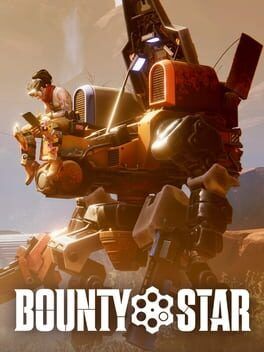
You play as Clementine “Graveyard Clem” Reigns, an ex soldier and mech pilot trying to drink away a war’s worth of guilt in the Red Expanse. Bounties offer money, but also a thin excuse to keep piloting her Desert Raptor MKII. The loop is simple. Take a contract, kit out the Raptor, drop into an instanced combat zone, then return home to patch up both your machine and your life.
Mech combat that feels weighty and readable
Moment to moment, Bounty Star is at its best when you are in the cockpit. Combat is third person and immediate. The Desert Raptor is big, heavy, and loud, but the controls stop short of clumsy. Dodges have generous invincibility frames, melee swings land with a shuddering camera shake, and ranged weapons carve clean sight lines across dusty valleys and shanty towns.
Encounters are usually small arenas filled with a mix of light skirmishers, shield carriers, and heavier artillery platforms. There is a clear rock paper scissors logic to most fights. Shotguns and fists for anything that gets in your face, marksman rifles and railguns for the turrets at the edge of the map, missiles and explosives for crowd control. The lock on system is forgiving without becoming fully automated, so strafing around a target while managing cooldowns and stamina feels busy in a good way.
What sells it is feedback. Enemies stagger when you connect with a charged punch. Shields crack with a glassy, distinctive sound. Overheat your generators and you get a brief, terrifying stall where the Raptor becomes a sitting duck. None of this is especially novel in mech games, but Bounty Star hits a satisfying middle ground between arcade speed and the crunchy, subsystem obsessed sims that scare off more casual action fans.
Customising the Desert Raptor
Customization is deep enough to matter tactically without disappearing into spreadsheet land. Your mech is broken into core parts: frame, arms, legs, engine, auxiliary systems, plus weapon hardpoints. Each piece adjusts armour, weight, heat capacity, and mobility. Within an hour or two you will have built either a nimble close range brawler or a slower gun platform, and the game supports both.
Weapons are where experimentation really sings. Melee options range from industrial pile drivers to brutal hydraulic fists that reward perfect timing with guard breaks. Ranged categories cover assault rifles, shotguns, cannons, energy beams, and launchers, all with clear roles and distinct recoil patterns. Mods then twist these basics, adding heat damage over time, armour piercing, or rapid fire trade offs. Changing a single component comes through loud and clear in the field, which makes tinkering between sorties feel meaningful rather than obligatory.
The economy behind all this is fairly straightforward. Bounties pay out cash and salvage, which you then convert into new parts or upgrades. The pacing is generous. You are never stuck grinding the same mission for a single component, but you also will not unlock everything after one good run. The one complaint is that some of the most interesting late game weapons take a while to appear, so players who mainline contracts may feel like they are using variations on the same few loadouts for the middle third of the story.
Missions: good fights, familiar framing
Structurally, missions skew closer to bite sized arenas than sprawling campaigns. You pick a target on a map, watch a brief narrative intro, then drop in for ten to twenty minutes of combat across a few interconnected zones. Objectives are rarely complicated. Wipe a camp, destroy a convoy, protect a caravan, occasionally chase a more elite target that brings tougher escorts.
The upside is rhythm. The game wastes little time getting you from prep screen to first explosion. The downside is repetition. Environments have a strong sense of place with rusted silos, old war wrecks, and dust storms, but you will see similar layouts recycled as the contract board fills up. Optional objectives and bonus rewards help a bit, nudging you to change tactics or loadouts, but they do not fully hide the formula.
Boss encounters are a highlight. These duels lean into the customization layer, asking you to rethink builds for specific threats. A shield heavy brute encourages stunlock focused melee, while a long range sniper mech can punish slow builds unless you invest in mobility and counter sniping gear. Here the game feels closest to a lightweight Armored Core, and it is where the combat system justifies the hype around Bounty Star as a “proper” mech action title rather than a novelty farming crossover.
The homestead: farming as penance
Between jobs you return to Clem’s homestead, a patch of half collapsed structures clinging to a canyon wall. This is where the base building and farming come in, and it is also where Bounty Star quietly distinguishes itself from other mech games.
Mechanically, the homestead is a loop of resource chains. You clear rubble and build facilities such as workshops for parts, fields for crops, water collectors, power infrastructure, and storage. Crops become food and crafting ingredients. Workshops turn scrap into refined materials. Generators keep everything running. It never reaches the complexity of a dedicated management sim, but there are just enough interlocking systems that you have to think two or three steps ahead when spending your limited haul from a mission.
Farming is intentionally low friction. You till a plot, plant seeds, water, and wait. Timers tick away while you are off doing contracts, so your return is often greeted by a field ready for harvest. There is no fiddly min game, no attempt at full Stardew depth, and that restraint pays off. The satisfaction comes less from minmaxing yields and more from seeing once barren dirt slowly turn green under your care.
Where it clicks is in the contrast. After a noisy bounty in the desert, moving through Clem’s base at dusk to check water levels and patch fences is a tonal cooldown. The animations are simple, but the audio work crickets, distant engines, wind against corrugated metal gives the place a lived in melancholy. Upgrading a building does not just boost stats, it visually repairs or expands it, reinforcing the sense that Clem is putting herself back together brick by brick alongside her Raptor.
Redemption, reflected through routine
The narrative stakes of Bounty Star are personal rather than grand. Clem’s past unfolds through flashbacks, contract chatter, and quiet scenes back at home. She is not saving the world so much as trying to make sure she is not still a threat to the people left in it. The writing sidesteps melodrama for the most part, leaning on dry humour and the matter of fact way working people talk about violence when it is their job.
What ties the mech and homestead halves together is how the game treats work. Bounties are not glorified. They are messy, sometimes necessary, sometimes exploitative. Farming and building are not romanticised either. They are backbreaking, repetitive, occasionally dull. Yet both become vehicles for Clem’s slow, reluctant movement toward something like forgiveness. Pay off a debt. Fix a roof. Capture a target alive instead of vaporising them. Take a night off from the contract board to make sure the fields will survive a dry spell.
The story does stumble in places. Secondary characters are more archetypal than complex, and the main arc hits some familiar trauma beats that players of prestige TV inspired games will see coming. Still, there is sincerity here, and the game is smart enough to let the loop carry a lot of the emotional load rather than drowning you in cutscenes.
Does the pacing work for action and sim players?
Balancing two very different audiences is where Bounty Star walks the thinnest line. The campaign is structured into loose chapters, each framed around a cluster of bounties and a set of recommended upgrades for your base. Early on, the split feels ideal. A couple of missions, a round of repairs and planting, a story scene, repeat.
As systems open up, cracks appear depending on your expectations. If you come in primarily as an action fan, the homestead interludes can start to feel like enforced downtime once you understand the basics. You cannot completely ignore them your mech progression and some mission unlocks are gated behind base upgrades but the game is fairly generous about how quickly you can power through the necessary chores.
Sim forward players will likely wish the opposite: that the base management were more demanding and the farming more granular. Bounty Star gives you just enough levers to pull that you can fall into a pleasant planning trance, then yanks you back into ten more minutes of explosions before you have really sweated over any of your decisions.
Overall pacing lands slightly in favour of the action side, but not disastrously so. Think of the homestead as a character focused hub with light sim dressing rather than a full on management game, and the loop slides into place. Sessions naturally fall into arcs of one long play night: upgrade a facility, grind two contracts to pay for a new weapon system, test it out in a higher threat mission, then wind down by tending fields and listening to Clem mutter to herself about what any of it is really worth.
Verdict
Bounty Star could easily have been a messy genre gimmick. Instead it is a focused mech action game that borrows just enough from farming and base builders to give its world and heroine texture. The Desert Raptor feels fantastic to pilot, customization choices matter immediately in combat, and the missions, while structurally conservative, deliver a steady supply of crunchy, readable fights.
The homestead side is lighter than some will hope and heavier than others will tolerate, but it is thematically cohesive and rarely outright tedious. Most importantly, it makes Clementine’s redemption feel earned through routine rather than spectacle.
If you are an action fan curious about sims, Bounty Star is a welcoming gateway. If you live for deep management systems you may find its soil a little shallow, but there is still satisfaction in watching a battered pilot slowly coax life out of a desert, one welded plate and planted seed at a time.
Final Verdict
A solid gaming experience that delivers on its promises and provides hours of entertainment.