
Review

By The Completionist
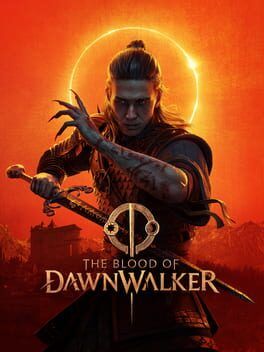
Image: IGDB
Store links: The Blood of Dawnwalker on Steam
A debut vampire RPG with a sharp hook and a risky clock
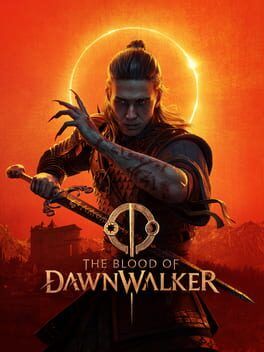
The Blood of Dawnwalker arrives with one of the clearest dark fantasy premises of the year: Rebel Wolves puts players in the role of Coen, a young man caught between humanity and vampirism, and gives him 30 days and 30 nights to save his family from the vampire ruler Brencis. Checkpoint Gaming lists the game for PC, PS5, and Xbox Series X|S, with Bandai Namco Entertainment as publisher, Rebel Wolves as developer, and a September 3, 2026 release date. That makes this Dawnwalker PS5 review less a question of whether the premise is compelling and more a question of whether the studio’s systems can carry it.
Across the available review material, the answer is broadly yes, with real caveats. Push Square calls the opening hours deeply intriguing and says the game begins with the kind of role-playing promise expected from a team with former The Witcher 3 developers. PCGamesN describes it as a brilliant debut that gives weight to decisions through time mechanics. RPG Site goes further on the writing, praising its quests and characters as some of the strongest RPG work it has seen. At the same time, Push Square argues the early momentum does not fully hold, ScreenRant says combat and controls can frustrate, and Console Creatures reports rendering issues, popping textures, and repeated-looking NPCs.
That tension defines The Blood of Dawnwalker RPG experience. Its quest structure, gothic setting, and time pressure are the core reasons to play. Its action layer and technical finish are the reasons some PS5 players may want to temper expectations or wait for patches.
Vale Sangora is strongest when horror, politics, and family overlap
The Blood of Dawnwalker’s setup is unusually efficient. Push Square’s review describes Coen as a young villager whose family is already under strain before the vampire court enters the scene. His mother’s deteriorating mental state gives the prologue a grounded misery, while the wider valley of Vale Sangora lives under Brencis, an ancient vampire who is both tyrant and supposed savior. According to Push Square and PCGamesN, Brencis overthrew a previous despot and uses his blood to cure disease, including plague, but demands blood from the populace in return.
That bargain gives Rebel Wolves more to work with than a simple monster hunt. Brencis’ rule is predatory, but the sources make clear that his legitimacy is part of the horror. He has saved lives while turning a region into livestock. PCGamesN notes that his blood can clear disease but cannot fix everything, including the trauma consuming Coen’s family. This is where the game’s vampire fiction lands best: the supernatural is tied to hunger, dependency, governance, and shame rather than treated as aesthetic dressing.
The supporting cast appears to be a major strength. RPG Site highlights characters such as Volk, Vicho, Lacra, Anca, and Crake, stressing that quests often reveal Coen’s family history and deepen the stakes of his rescue mission. ScreenRant’s review similarly praises the story as a macabre horror narrative with a strong setting, central plot, and characters, while noting that Coen is no Geralt. That last comparison matters because Rebel Wolves’ CD Projekt RED lineage has shaped expectations. The better read, supported by Checkpoint’s framing, is that this is a smaller, focused debut from a new studio rather than a full-scale Witcher successor.
Quest design turns side content into pressure rather than distraction
The best design idea in The Blood of Dawnwalker is its treatment of time. Push Square explains that there is no constantly ticking timer in the background. Instead, time is spent when progressing through quests, and the game makes clear when a decision will consume hours. Console Creatures describes a similar structure: exploration does not pass time by itself, while interactions, tasks, and learning skills can move the clock forward. This is important because the 30-day, 30-night limit sounds stressful on paper, but several reviews say the system is less about punishment than intent.
Push Square reports that Dawnwalker rarely sends players into dead ends. Leads tend to connect back to Coen’s central objective, meaning side quests in the traditional open-world sense are diminished. You can track down allies, investigate local problems, or strike at Brencis’ lieutenants, but the game keeps pulling those threads into the family rescue. For an RPG connoisseur, that is the most promising version of open-world structure: fewer map chores, more authored consequences.
The system is not interpreted the same way by every outlet. Push Square says players should have enough time to exhaust most of Coen’s leads, which slightly undercuts the pressure of the premise. MonsterVine, by contrast, says it had heard the game could not be fully completed in a single run because of the limit and praises the way that reduces completionist stress. PCGamesN’s examples are the most persuasive argument for the mechanic: it describes choosing to spend time making tea for a friend, listening to an old woman, or staying with a doomed man, even when the main objective is urgent.
The confirmed takeaway is that time is a curated resource rather than a real-time fail state. The unresolved question is how strict the limit feels across different playstyles. If you are a checklist player, the system may nudge you out of your comfort zone. If you prefer role-playing decisions that close some doors, Dawnwalker seems built around that appetite.
Day and night give builds identity, even when balance is uneven
Coen’s split nature is not limited to the story. Console Creatures and MonsterVine both describe a day-night structure where Coen functions differently depending on the time. During the day, he relies on swordsmanship and witchcraft. At night, he gains vampiric powers, greater mobility and resilience, and the ability to heal through blood. RPG Site adds an important complication: at night, speaking with NPCs can become dangerous if Coen’s hunger takes over, even putting quest characters at risk.
That is the kind of systems friction a vampire RPG needs. Dawnwalker is most interesting when a build choice is also a moral or scheduling choice. Spending time to unlock skills carries opportunity cost. Taking a night quest may give you access to stronger vampiric tools, but it may also expose civilians to Coen’s thirst. Console Creatures says the mechanic pushed it to choose with intention, deciding whether to spend daytime on quests, trading, crafting, skill growth, or exploration while waiting for night-specific objectives.
Combat itself is where the review consensus fractures. MonsterVine praises the action as layered and accessible, explaining that players use directional sword or claw attacks and blocks, with properly timed defenses opening counterattack windows. It says the system becomes rewarding as perks improve Coen’s flow. PCGamesN also calls the combat simple but tremendously satisfying. On the other side, Push Square’s headline frames the combat as toothless, and ScreenRant says combat lacks variety and depth while sometimes feeling repetitive or clunky. ScreenRant still does not treat it as a dealbreaker, but the split is meaningful.
My assessment from the sourced record is that Dawnwalker’s combat is functional and sometimes satisfying, especially when day and night builds change your options, but it does not appear deep or polished enough to satisfy players coming primarily for action. The Rebel Wolves vampire RPG is better understood as a quest-led RPG with an action layer than as a combat showcase.
Choice is strongest when it changes your route, not when it promises total freedom
The Blood of Dawnwalker’s player choice seems less about branching spectacle and more about route-making. Push Square says the game’s structure lets players decide how to pursue the single overriding goal of saving Coen’s family and villagers. That can mean seeking allies, targeting power structures, or following personal leads. PCGamesN emphasizes decisions with lingering consequences, including choices that test trust, morality, and instinct. RPG Site’s discussion of Coen’s humanity versus vampirism suggests the game repeatedly asks how much of himself he is willing to preserve.
This is a smart match for vampire fiction. A half-human, half-vampire protagonist only works if the game pressures both halves. By locking or opening quests based on day and night, and by making time spent on one action unavailable for another, Dawnwalker gives the player choice a practical cost. The sources do not confirm every ending structure or the full scope of branching outcomes, so it would be premature to claim it delivers exhaustive reactivity. What is supported is narrower and more valuable: quests are designed to feed the central crisis, and decisions are framed through time, hunger, and allegiance.
There is also a useful warning here. Checkpoint argues that the narrative sandbox concept never fully comes together, even while praising the writing and focused character story. That suggests the game may promise a broader simulation than it consistently provides. Players expecting a vast systemic playground may come away cooler than players who want authored RPG consequences and strong quest writing.
PS5 performance and presentation need tolerance for rough edges
The PS5 picture is playable but imperfect based on the supplied reviews. ScreenRant specifically reports that cinematics on base PS5 suffered from clipping and frame rate drops, while saying gameplay itself was not heavily affected by low frame rates. Console Creatures reports rendering issues, popping textures, and NPCs that can feel copy-and-pasted. PCGamesN also notes dated animations among its smaller complaints, though that review is not framed as a PS5 technical assessment.
That creates a practical recommendation. If your priority is stable moment-to-moment gameplay, the available PS5 reporting does not suggest a broken release. If you are sensitive to cinematic stutter, texture pop-in, animation roughness, or visual repetition in towns and NPC crowds, Dawnwalker sounds like a game that may benefit from post-launch updates. The source material does not provide confirmed graphics modes, frame-rate targets, install size, or upgrade-path details, so buyers should check the PlayStation Store listing and launch patch notes before purchasing if those specifics matter.
Audio appears to fare better. ScreenRant praises the score and OST and notes Hi-Fi audio options for dynamic range and sound. In a gothic RPG built around plague villages, blood rites, and nocturnal danger, that matters. The mood work seems to be carrying some of the presentation burden where animation and rendering fall short.
Verdict: a memorable RPG for quest-first players, with action caveats
The Blood of Dawnwalker delivers on much of its dark fantasy promise where it counts most for RPG players: premise, quest structure, setting, and consequence. Rebel Wolves has built a vampire RPG around a strong central timer, but the timer works because it is tied to character priorities rather than a constantly draining clock. Its best quests appear to make every detour feel connected to Coen’s family, his humanity, and the political horror of Vale Sangora.
The caveat is combat. Some critics found the directional attack and block system fresh and satisfying, while others found it shallow, repetitive, or clunky. That division should guide your purchase. If you are here for build expression, moral pressure, and gothic quest writing, this The Blood of Dawnwalker review lands on a recommendation. If you need precision action, enemy variety, and a polished technical presentation on PS5, you may want to wait for patch impressions.
GameLoop score: 8 out of 10. Story and quest design carry the game above its rougher edges, while combat inconsistency and PS5 presentation issues keep it from being an across-the-board essential.
Final Verdict
A solid gaming experience that delivers on its promises and provides hours of entertainment.