
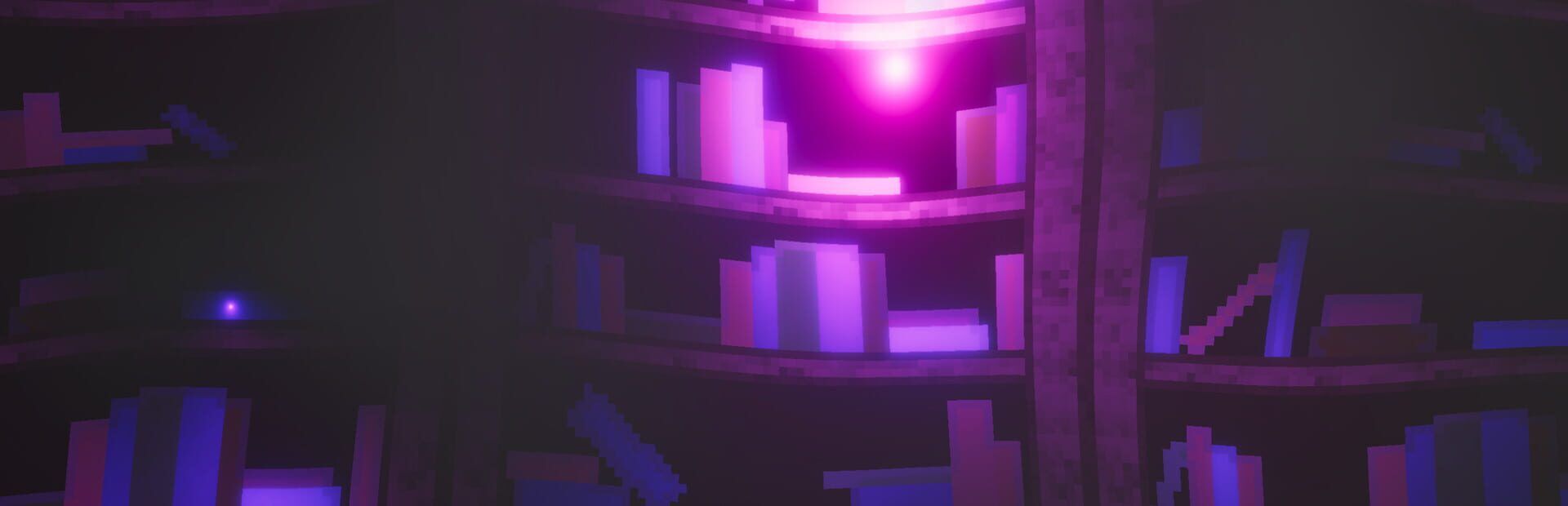
Review

By Apex
A solo‑dev roguelite that actually understands bullets and builds
Abandoned Archive looks, at a glance, like yet another top‑down indie roguelite about dodging neon projectiles. Within ten minutes it becomes clear it is much more deliberate than that. Built by a solo developer, it leans hard into a very specific fantasy: you are a glass‑canon spellcaster assembling a custom spellbook from modular pieces, then stress‑testing it against escalating curtains of bullets.
Structurally it sits squarely in the Enter the Gungeon / Nuclear Throne lineage. You clear discrete rooms, grab loot, descend floors, die a lot and come back wiser. What separates Abandoned Archive is how much of the run’s identity emerges from its spell upgrade system and how tightly the relics plug into that.
Spell upgrade system – modular, expressive, and occasionally abusable
Instead of finding whole weapons, you build spells from a base and a stack of modifiers. Each spell has a core element and behavior, then you socket upgrades that alter its trajectory, cadence, on‑hit effects, and risk‑reward knobs like recoil or self‑damage.
In practice this feels less like “find a gun, hope it’s good” and more like assembling a card combo in a deckbuilder. A simple fire bolt can be reshaped into a wide cone, a slow bouncing orb, a close‑range shotgun blast, or a rail of piercing shots. Attachments like chaining, splitting, delayed detonation or homing can be stacked in absurd ways if you’re lucky or smart.
The system’s best trick is how readable it stays under pressure. Projectiles change color, shape, and trail based on your modifications, so your own chaos is easy to parse even when the screen is full of enemy fire. There is a brief “lab time” every few rooms where you can test the spell in a safe arena and re‑order or swap upgrades, which encourages experimentation instead of punishing it.
There are rough edges. Some modifiers feel under‑tuned enough to be dead picks, especially basic numeric boosts that can’t compete with transformative effects. A few combinations are blatantly overtuned, especially anything that stacks multi‑hit procs with status effects; if you stumble into those, the midgame can melt with very little input beyond holding the fire button and dodging lazily. But as balance problems go, “some combos are too fun and strong” is a good problem to have in a primarily single‑player roguelite.
Relic synergies – subtle scaffolding for wild builds
Relics are persistent run‑specific passives that drop in chests, shops, and rare events. On paper they are familiar: more crit, extra dashes, elemental amplifiers, safety nets like death‑defy effects. The interesting part is how many of them are designed to latch directly onto the spell mod system.
There are relics that refund mana when you apply a status, or that spawn extra projectiles whenever a spell chains, or that reward you for overcharging a spell and releasing it at the last moment. Others change the rhythm of play, like a relic that doubles your next cast if you haven’t fired for a couple of seconds, pushing you to weave in short windows of patience during the chaos.
Runs start to sing when a relic set quietly nudges you toward a particular archetype. Pick up two or three on‑hit poison enhancers and suddenly those weak multi‑pellet modifiers become premium. Lean into dash‑centric relics and you start building around close‑range arcs and area denial instead of safe screens of homing bolts. The design stops short of Hades‑style explicitly named builds, but the intent is similar: get you to improvise a theme based on what the Archive offers rather than chasing a fixed meta.
Compared to Enter the Gungeon, which leans heavily on the charm of wildly different guns, Abandoned Archive pulls more of its personality from this web of subtle synergies. It feels closer to Nova Drift or Wizard of Legend in how you are constantly re‑configuring a small number of core tools into something that feels uniquely “this run.”
Boss design – pattern literacy over cheap surprises
Bosses are where Abandoned Archive has to prove it belongs in the bullet‑hell roguelike conversation, and largely it does. Each major floor capper has a distinct visual identity and a recognizably themed attack set. One revolves around concentric rings of bullets that pulse in and out, another leans on sweeping laser walls that force you to think in lanes, another floods the arena with slow mines that turn the space into a moving puzzle.
Patterns escalate in layers rather than abrupt, unreadable shifts. Early phases telegraph the shape of attacks with clear wind‑ups and sparse bullets, then later phases increase density or combine patterns. This gives you that essential feeling of learning a dance, not simply reacting to nonsense. Hitboxes are tight but fair, and the invulnerability frames on your dash are tuned well enough that threading through tight curtains feels rewarding instead of random.
There are missteps. A couple of late bosses have attacks that blend their projectiles’ color a bit too closely with fiery floor effects, which can make stray bullets feel invisible. And a few moves in the final gauntlet cross into “hope you already knew this would happen” territory, demanding prior deaths rather than observational skill. Still, moment to moment, boss fights sit somewhere between the pattern clarity of Hades and the raw density of Gungeon, which is a good sweet spot.
Difficulty spikes – when the Archive stops playing fair
The base difficulty curve is brisk but reasonable. Early floors gently layer in more enemy types and slightly denser bullet patterns, so new players can build confidence. Once you’re past the first couple of bosses, though, Abandoned Archive occasionally stumbles into spikes that feel more abrupt than earned.
The worst offenders show up in mixed enemy rooms that combine homing shots, summoners and large area‑denial patterns all at once, especially in cramped arenas with environmental hazards. When the camera zoom remains fixed and three different color schemes of bullets overlap, the clarity that usually makes the game sing falters. If your build hasn’t come together yet, those rooms feel like a hard gear check rather than a tactical challenge.
There is also a meta‑difficulty curve via unlockable “Archive modifiers” that add curses and extra hazards for better rewards. These are clearly aimed at veterans, and in that context the cruelty is intentional. Still, stacking a couple of them can turn midgame floors into a brick wall in a way that is more fatiguing than thrilling. Compared to Enter the Gungeon’s progression, which slowly hands you better tools and more forgiving health economies, Abandoned Archive locks a lot of survivability behind relic luck and player execution.
When the game is firing on all cylinders, blows feel fair and deaths feel like the result of greedy positioning or sloppy pattern recognition. When it isn’t, it can cross into a kind of hectic visual soup where your only real answer is to have built an overtuned damage engine first.
Replayability – where it stands among the bullet‑hell greats
Roguelites live or die on replayability, and here Abandoned Archive lands solidly in the “keep installed” tier without quite touching the absurd longevity of Enter the Gungeon.
On the positive side, the interplay between spell mods and relics gives runs strong identity. The same base spell can behave entirely differently from one attempt to the next, and the game is generous with drop rates so you are regularly tempted into weird experiments. Unlockable spell cores and rare modifiers further widen the palette over time, so even after a dozen clears you are still seeing new permutations rather than just slightly larger numbers.
The moment‑to‑moment combat has that crucial “one more room” pull. Dashes are snappy, hit feedback on enemies is crunchy, and the soft meta‑progression of unlocking new relics and modifiers remains satisfying long after your first win. Daily or weekly challenge modes that fix certain variables contribute an extra layer of structure for players who like competing with themselves.
Where it falls short of Gungeon and the very best bullet‑hell roguelikes is breadth of content and pure personality. Gungeon’s absurd arsenal, hidden floors, and dense lattice of secrets encourage hundreds of hours of obsessive exploration. Abandoned Archive feels tighter and more focused. Its room pool is decent but not spectacular, its event variety is fine rather than wild, and its visual identity, while clean, never quite stamps itself into your memory the way Gungeon’s gun‑worshiping nonsense or Hades’ character‑driven hub do.
Runs start to blur together a bit sooner than in the genre’s top tier, not because the mechanics are shallow but because the outer shell of the experience is less varied. The solo‑dev scope shows here: what is present is polished, but there are fewer side paths, fewer bizarre edge‑case relics, fewer surprises hidden in the margins.
Verdict – a smart, surgical roguelite that earns your time
Abandoned Archive is not the loudest or flashiest bullet‑hell roguelite on the market, but it is one of the more intelligent. The modular spell upgrade system and tightly woven relic synergies give it a distinct tactical flavor, and its boss fights mostly strike a strong balance between spectacle and clarity. Its difficulty spikes can waver from exhilarating to exasperating, and its replayability, while strong, does not quite achieve the endless novelty of Enter the Gungeon or the character‑driven compulsion of Hades.
Taken on its own terms, though, this is a sharp, well‑made solo‑dev project that deserves to sit in the same conversation as those games. If you enjoy painstakingly tuning a build and then threading through curtains of bullets on a knife’s edge of survivability, Abandoned Archive is absolutely worth pulling from the shelf.
Final Verdict
A solid gaming experience that delivers on its promises and provides hours of entertainment.