
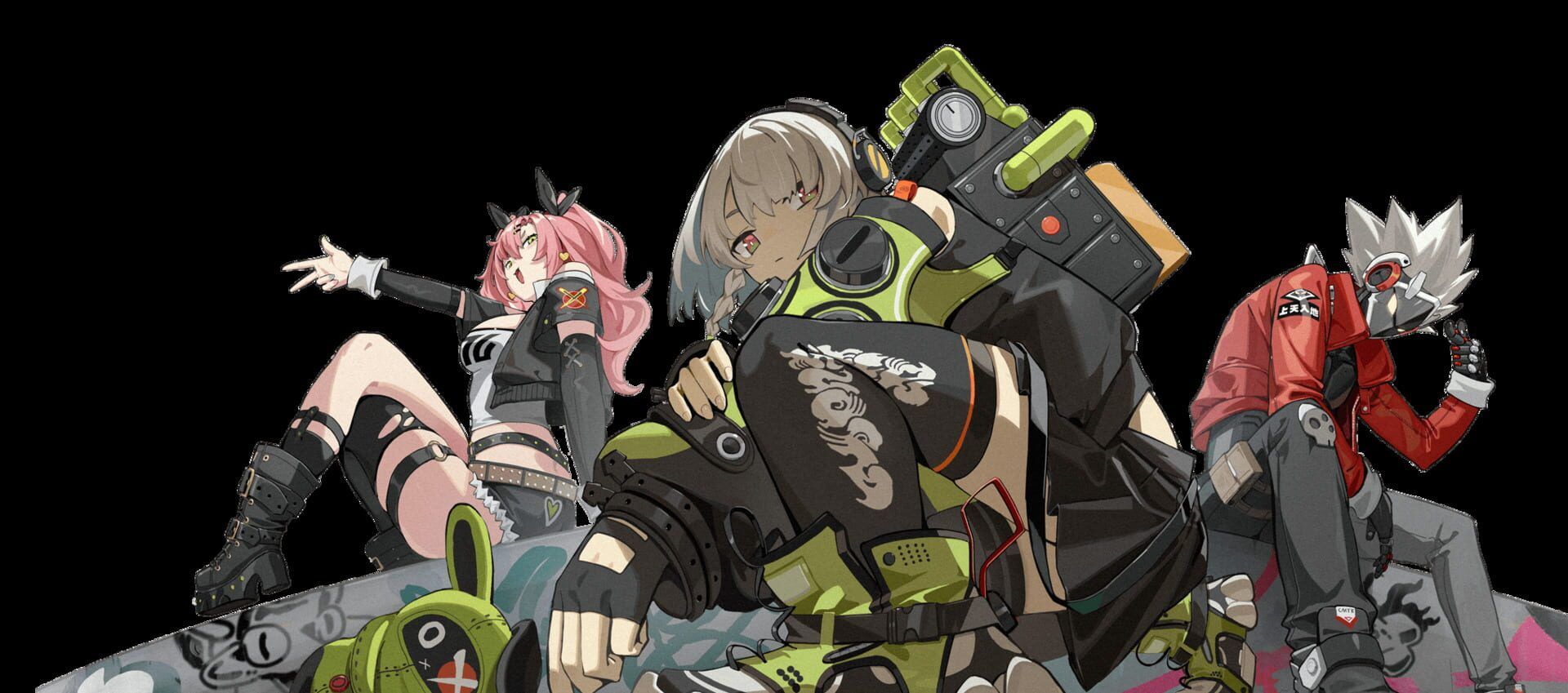

A deep look at Zenless Zone Zero’s Version 3.0 update, from the sky island city of Roscaelifer and Season 3’s new combat options to a transformed protagonist and the impact of the game’s Steam debut.
Zenless Zone Zero is gearing up for one of its most important patches yet. Version 3.0, subtitled “A Sleepwalker’s Confession,” lands on June 17 and officially launches Season 3 while also taking the game to Steam for the first time.
Instead of a light seasonal refresh, 3.0 feels more like a soft relaunch built around a new city, a new combat identity for the protagonist, and a more generous approach to onboarding and progression. For both veteran Proxies and curious newcomers waiting for a Steam release, this is the moment HoYoverse clearly wants you to pay attention to.
Roscaelifer: Sky Island City as Season 3’s Stage
At the heart of Version 3.0 is Roscaelifer, a sky island city that immediately stands apart from New Eridu’s dense streets. Rather than another horizontal district, Roscaelifer is designed as a vertical hub suspended above the world, built to double as both a story setting and a mechanical playground.
Season 3’s main story sends players into the city to tackle a new Ether anomaly that has spiraled out of control again. Where earlier seasons leaned on New Eridu’s urban grit, Roscaelifer pushes harder into surreal sci-fi, blending industrial platforms, vast sky vistas, and rails that crisscross the air.
Roscaelifer is not just window dressing. The city plays into traversal through airborne grinding segments and offers new activity loops layered around its streets and plazas. Between narrative beats, it becomes a social and mechanical anchor for Season 3, giving returning players a fresh space to inhabit rather than shuttling them back to familiar haunts.
Season 3’s Content Pillars
Season 3 uses Roscaelifer as a foundation but branches out into several content pillars to keep players busy between story checkpoints.
The first is a suite of exploration and side missions built directly into the new city. HoYoverse is leaning into Roscaelifer’s layout to hide collectibles, chain encounters, and short narrative vignettes that expand on the city’s purpose and its connection to the wider Zenless setting.
Complementing that are lighter daily and limited-time activities. A Bangboo-themed minigame riffs on auto-chess, turning the franchise’s mascots into units you position and combine to solve combat puzzles. It is the kind of low-pressure side mode HoYoverse likes to rotate in, the sort of thing you can knock out between serious Hollow dives.
There is also a daily loop built around a cookie stall, which sounds small on paper but has two important roles. It offers an additional routine hook for players logging in each day, and it provides another outlet for minor rewards that smooth out resource acquisition across the season. Combined, these systems are trying to keep Season 3 from feeling like a pure banner grind.
Phaethon’s New Combat Form: Pyoris
The single biggest shake-up to core gameplay is reserved for Phaethon. In Version 3.0, the protagonist gains access to a new combat alter ego: Pyoris.
Pyoris is more than a cosmetic switch. HoYoverse frames it as a full combat form with its own Mindscape progression and a tailored signature W-Engine scheduled to roll out during Season 3. Where Phaethon previously served more as a narrative lens, Pyoris is a clear push to put the protagonist on equal footing with the roster’s headline Agents.
In action, Pyoris is built around high-mobility engagements and a flair for spectacle. The form folds into traversal through sequences that let players grind along airborne rails that snake across Roscaelifer. It is a clear nod to classic rail-grinding setpieces, integrating platforming into the same identity as combat.
From a systems perspective, expanding the protagonist into a full combat option matters for long-term engagement. It gives returning players a new build to chase separate from standard Agents and makes the main character feel less like a static anchor and more like an evolving piece of the game’s meta.
New Agents and Combat Systems in Season 3
Season 3 does not forget the more traditional gacha cadence either. Version 3.0 fronts a fresh slate of Agents and leans on them to deepen elemental and role coverage.
Velina headlines the first phase of the update as the game’s first Wind attribute Agent. She is built around a new Windswept combat system that plays with debuffs and control, aiming to open up team archetypes that do not rely entirely on raw burst. Velina is accompanied by Ye Shunguang on the opening banner, giving the first half of Season 3 a duo that caters to both new players hungry for powerful frontliners and veterans interested in tweaking team synergies.
The second phase shifts focus to Fire with Norma, a Stun-oriented Agent who reinforces the importance of keeping enemies locked down to set up high-damage rotations. Norma arrives alongside Sunna, the leader of the Angels of Delusion, which not only broadens combat options but pulls faction storytelling into the spotlight.
Taken together with Pyoris, the Season 3 roster is clearly targeted at rounding out under-served playstyles. Wind gains a true flagship option, Fire Stun teams get a new centerpiece, and the protagonist finally feels like part of the same conversation.
Free Pulls, Rewards, and Onboarding
Version 3.0 also leans more aggressively into generosity. HoYoverse is distributing 20 free pulls for all players who log in during the update window, on top of the usual drip of event currencies and mission rewards.
For existing players, that is a welcome boost at the start of a new season, especially when multiple appealing Agents and a new protagonist form are all vying for your resources. For new Steam entrants, it serves as a kind of fast track to a viable account, reducing the gap between starting out and feeling like you have a real team.
The studio is already looking ahead to Version 3.1 as the stage for the game’s second anniversary celebrations, but setting the tone with free pulls and smoother progression in 3.0 is a deliberate move. The message is that this phase of Zenless Zone Zero is meant to be easier to jump into and easier to stick with.
The Steam Debut: Why It Matters
The timing of Version 3.0 is no accident. On June 17, Zenless Zone Zero arrives on Steam alongside the update, instantly expanding its reach beyond the existing HoYoverse launcher, mobile platforms, and PlayStation 5.
Steam brings more than convenience. It places the game inside one of the largest discovery ecosystems in PC gaming, where front page placement, user reviews, and community hubs can dramatically influence perception and reach. For a live service title that thrives on steady player growth and social chatter, that visibility is crucial.
Cross-platform data sharing is supported at launch, so players currently on other platforms can shift their main play to Steam without losing progress. That flexibility lowers friction for lapsed players who might prefer a unified PC library and encourages multi-platform engagement among existing fans.
From a business and community perspective, aligning a new city, a new protagonist form, and a new season with the Steam release is a play for momentum. It is easier to convince hesitant players to try Zenless Zone Zero when they are walking into a major content drop instead of an in-between patch.
If 1.0 was the introduction and later updates were iterative refinements, 3.0 feels like a second debut, this time on a broader stage.
What Version 3.0 Signals for Zenless Zone Zero’s Future
Looking at the whole package, Version 3.0 is less about raw volume of missions and more about repositioning the game.
Roscaelifer shows HoYoverse is willing to push beyond New Eridu’s grounded cityscapes and embrace more fantastical urban design that can support varied traversal and encounter design. Pyoris evolves the protagonist from a narrative constant into a mechanical selling point. The agent lineup addresses gaps in elemental and role coverage, while free pulls and accessible side content are tuned to both reward loyalty and welcome new players.
Layer Steam on top of that and Zenless Zone Zero’s trajectory becomes clearer. The game is entering a phase where platform reach, quality-of-life generosity, and marquee seasonal hooks all intersect. If HoYoverse can maintain that direction into the anniversary in Version 3.1, 3.0 may be remembered less as just another seasonal patch and more as the update where Zenless Zone Zero finally found its second wind.