
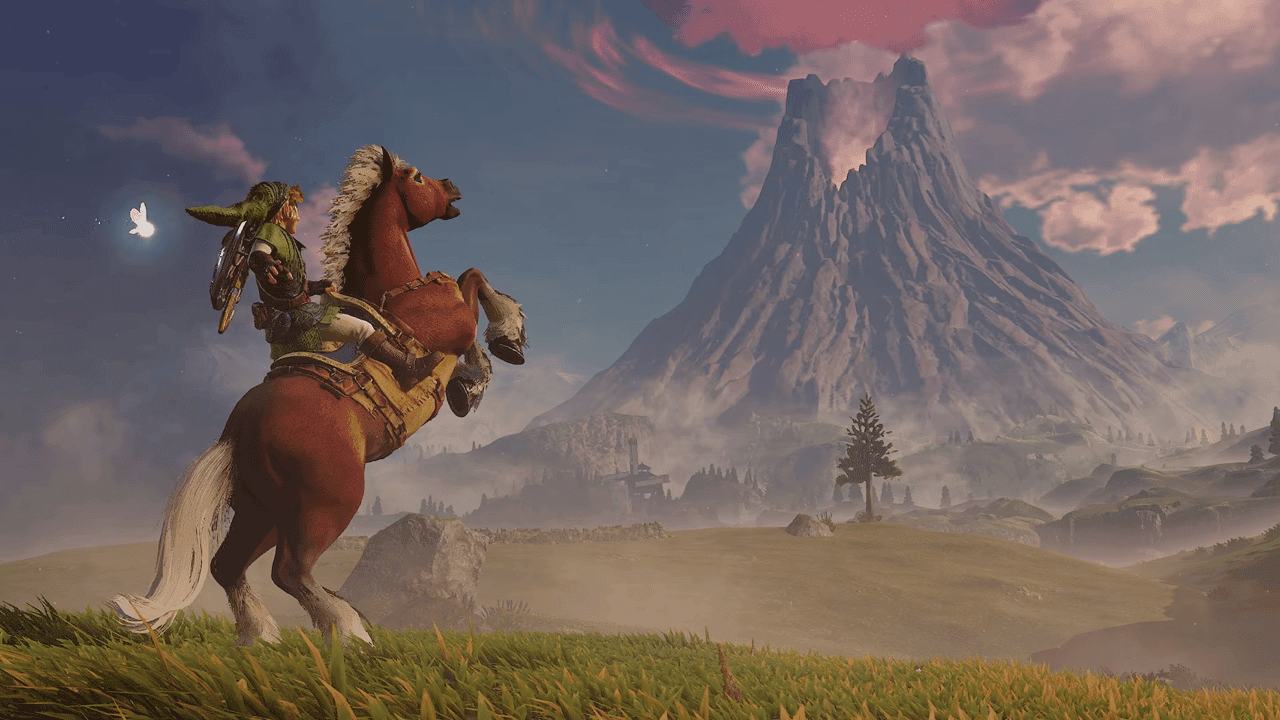

Nintendo says the Ocarina of Time remake sold 5.2 million units in four days, setting a Switch 2 launch record and raising the bar for 2026's biggest releases.
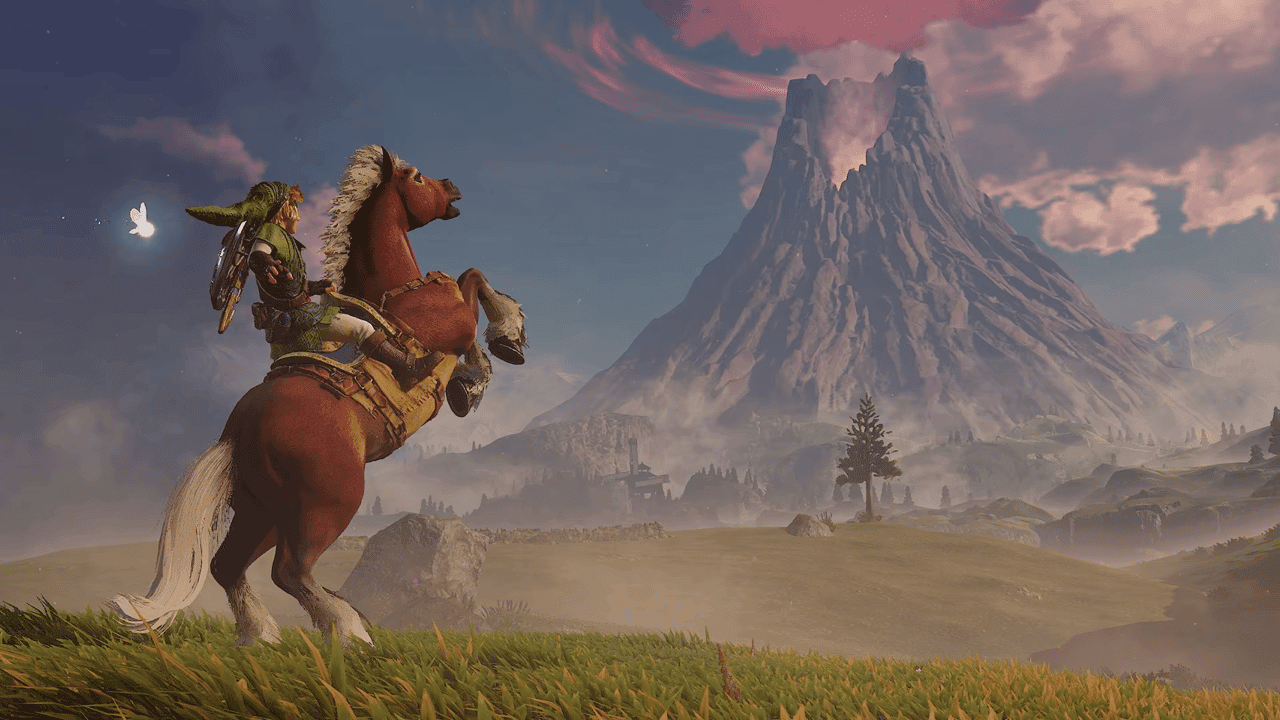
Image: gamedeveloper.com
Nintendo puts a huge number on Link’s return
Nintendo says The Legend of Zelda: Ocarina of Time for Nintendo Switch 2 sold more than 5.2 million units worldwide in its first four days, including 810,000 units in Japan. The company announced the figure through its investor relations site, describing it as the highest global four-day sales total for any Nintendo-published Nintendo Switch 2 game since the hardware launched.
That is the concrete headline, but the tension around it is bigger than a victory lap. An Ocarina of Time remake, released worldwide on November 5, has become one of the clearest demonstrations yet of Switch 2 software demand. It also lands in the same month as Grand Theft Auto VI, a game Take-Two and Rockstar have positioned as a generational event. Nintendo has now shown that a platform-exclusive remake of a 1998 adventure can move at blockbuster speed before its first weekend is over.
Nintendo’s own description frames the Switch 2 release as a full remake of the Nintendo 64 original, with reimagined visuals and enhanced playability while preserving the original experience. The company also says the game supports ZELDA NOTES, a feature set available through the Nintendo Switch App on compatible smart devices. Those are the confirmed product details in Nintendo’s announcement. This is not a review, and the sales figure does not tell us how the remake plays moment to moment, but it does tell us how quickly the market responded.
The sales record is real, but the comparisons need care
The cleanest comparison is the one Nintendo itself makes: Ocarina of Time now holds the best four-day global launch for a Nintendo-published Switch 2 game. That qualifier matters. Eurogamer noted Nintendo specified Nintendo-published games, while also arguing that Nintendo’s own releases have been the most popular titles on the system so far. The official claim is narrower than “fastest-selling Switch 2 game ever,” even if several outlets have treated the distinction as mostly academic.
The remake’s early total also reshuffles Nintendo’s visible Switch 2 software chart, depending on which reporting window is being compared. Nintendo Life and Vice both pointed out that 5.2 million in four days already puts Ocarina of Time ahead of Donkey Kong Bananza’s last reported lifetime figure of 5.05 million as of September 30, 2026. Mario Kart World remains far ahead at 16.48 million in Nintendo’s last reported total cited by those outlets.
Those numbers are useful, but they are not perfectly synchronized. Donkey Kong Bananza and Mario Kart World totals reflect earlier reporting periods, while Ocarina’s figure covers only the first four days after launch. Shacknews also cited Tomodachi Life: Living the Dream at 8.83 million life-to-date units, while noting that game released across both Switch 2 and the original Switch. In other words, Ocarina has a confirmed record launch within Nintendo’s Switch 2-published lineup, but the longer-term ranking will need Nintendo’s next full sales update to settle cleanly.
Switch 2 momentum is doing part of the work
Ocarina of Time is not selling into a vacuum. Wccftech cited a 26.35 million Switch 2 hardware base capable of running the game, and used that to estimate that the remake’s first four days represent roughly one fifth of the platform’s audience. That is an outside calculation based on cited hardware figures rather than a Nintendo attach-rate announcement, but it captures the scale of the launch: this is not simply a nostalgic release finding a modest corner of the market.
There were signs before Nintendo’s worldwide number that the remake was moving hardware and commanding shelf space. Eurogamer reported a jump in U.S. Switch 2 sales tied to the game’s release. In the UK, Nintendo Life reported Ocarina of Time was the second-biggest physical launch in series history, behind Tears of the Kingdom, and the biggest physical video game launch of 2026 so far. Notebookcheck, citing Christopher Dring and NielsenIQ data, reported UK physical launch sales were 35 percent higher than Breath of the Wild and roughly half of Tears of the Kingdom’s first-week sales.
That UK context matters because it pushes against the easy explanation that the number is purely digital momentum or purely global brand heat. Physical sales were strong in at least one major market, and the worldwide total then confirmed that the demand was broader. At the same time, Nintendo’s quoted announcement does not provide the digital-versus-physical split. Vice and Notebookcheck describe the total as covering physical and digital copies, while Nintendo Life said the exact split was unclear at the time of writing. The responsible reading is that the global number is official, the Japan component is official, and the channel mix remains undisclosed in the material available.
A remake of a 1998 game is now setting the 2026 pace
The original Ocarina of Time sold 7.6 million units across its lifetime, according to the Video Game Sales wiki figure cited by Nintendo Life. Nintendo’s remake has reached more than two thirds of that cited lifetime number in four days. That comparison is imperfect because the N64 market, retail conditions, pricing, digital availability and global gaming audience were entirely different in 1998. Still, it shows the unusual commercial force behind this particular remake.
Nintendo’s release describes the game’s familiar structure in simple terms: Link travels between two time periods as Young Link and Adult Link, using different abilities and items in each era to progress. For longtime players, that is the old rhythm of dungeon keys, temporal cause and effect, and a Hyrule that changes shape as the adventure cuts forward. For new Switch 2 owners, it is being sold as a modernized action-adventure cornerstone, updated visually and mechanically for new hardware.
The important business point is that Nintendo did not need a wholly new Zelda entry to create a hardware-season event. It needed the right remake, on the right platform, with enough modernization to feel native to Switch 2 while retaining the identity that made Ocarina of Time a reference point for 3D adventure design. That gives Nintendo a powerful template, but it also raises a difficult question the company has not answered: whether this result encourages more full-scale remakes of older Zelda or Nintendo titles, or whether Ocarina is an outlier because of its specific reputation.
The GTA VI comparison is unavoidable, but still limited
Nintendo did not position Ocarina of Time’s sales announcement as a shot at Grand Theft Auto VI. The comparison is coming from timing, scale and the broader 2026 release calendar. Nintendo Life reported that GamesBeat asked Take-Two Interactive CEO Strauss Zelnick about Ocarina’s 96 Metacritic score and the conversation around Zelda and GTA VI launching in the same month. Zelnick called the score “terrific” and said Nintendo should be “very proud of the title.”
Zelnick did not frame the two games as direct rivals. According to the quoted GamesBeat interview, he said that in entertainment “you compete against everything and nothing,” because audiences have many ways to spend time, but entertainment is a want rather than a necessity. His view, as quoted, is that if a company makes the “best entertainment on earth,” people will show up.
That is the useful lens for the rest of the year. Ocarina of Time does not need to outsell GTA VI to put pressure on it, or on any other 2026 blockbuster. Its pressure comes from proof of urgency. Nintendo has delivered a single-platform remake with a huge four-day number and elite critical reception, while GTA VI arrives with enormous anticipation and reported preorders that have exceeded Take-Two’s expectations, according to coverage cited by Nintendo Life via Push Square. Rockstar has also confirmed, per Nintendo Life’s report, that GTA VI will run at 30fps on PlayStation 5, PS5 Pro and Xbox Series X|S, with Xbox One access through Xbox Cloud Gaming. A Switch 2 version remains unannounced, with Nintendo of America’s president previously saying that possibility is a conversation for Take-Two and Rockstar.
The comparison is therefore not about genre overlap. It is about oxygen. Ocarina’s early sales show that players will make room for a premium, platform-exclusive adventure if the release feels essential enough. That raises the standard for every late-year blockbuster asking for time, money and attention.
What is confirmed for players deciding whether to buy now
The confirmed basics are straightforward. The Ocarina of Time remake is available on Nintendo Switch 2, launched worldwide on November 5, 2026, and Nintendo says it sold more than 5.2 million units globally in its first four days. It is a full remake of the 1998 Nintendo 64 game, developed for Switch 2 with reimagined visuals, enhanced playability and support for ZELDA NOTES through the Nintendo Switch App on compatible smart devices.
What remains unclear from the sales announcement is the physical and digital split, whether Nintendo will publish a regional breakdown beyond the 810,000 units sold in Japan, and how much of the launch total came from existing Switch 2 owners versus new hardware buyers. Eurogamer’s report of a U.S. hardware sales jump suggests the game helped move systems, but Nintendo’s sales release does not quantify that effect.
For players, the practical question is less about scarcity and more about timing. The launch number makes clear that Ocarina is already one of Switch 2’s central software releases. If you own the hardware and were waiting to see whether the remake had real momentum, Nintendo has answered that part. If you are waiting on broader platform comparisons, there are none to make from the confirmed material: this release is for Nintendo Switch 2. If you are waiting for sales charts to settle, the next meaningful update will be Nintendo’s later reporting, especially once Mario Kart World, Donkey Kong Bananza and Ocarina can be compared over closer windows.
For the industry, the four-day figure changes the tempo of November. Nintendo has turned one of gaming’s most familiar openings into a commercial set piece for new hardware. The rest of 2026’s giants now have to enter a room where Link has already drawn the Master Sword and the crowd has already answered.