
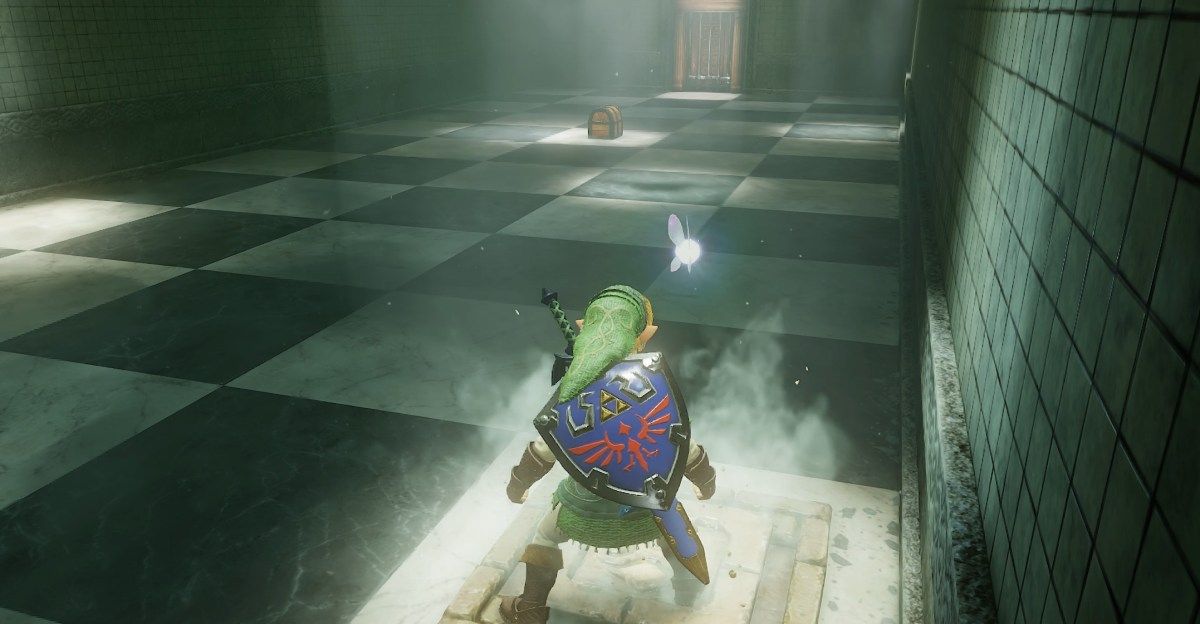

The new Ocarina of Time ESRB rating lists E10+ content details for the Switch 2 remake, but Nintendo has still left key release and purchase questions unanswered.
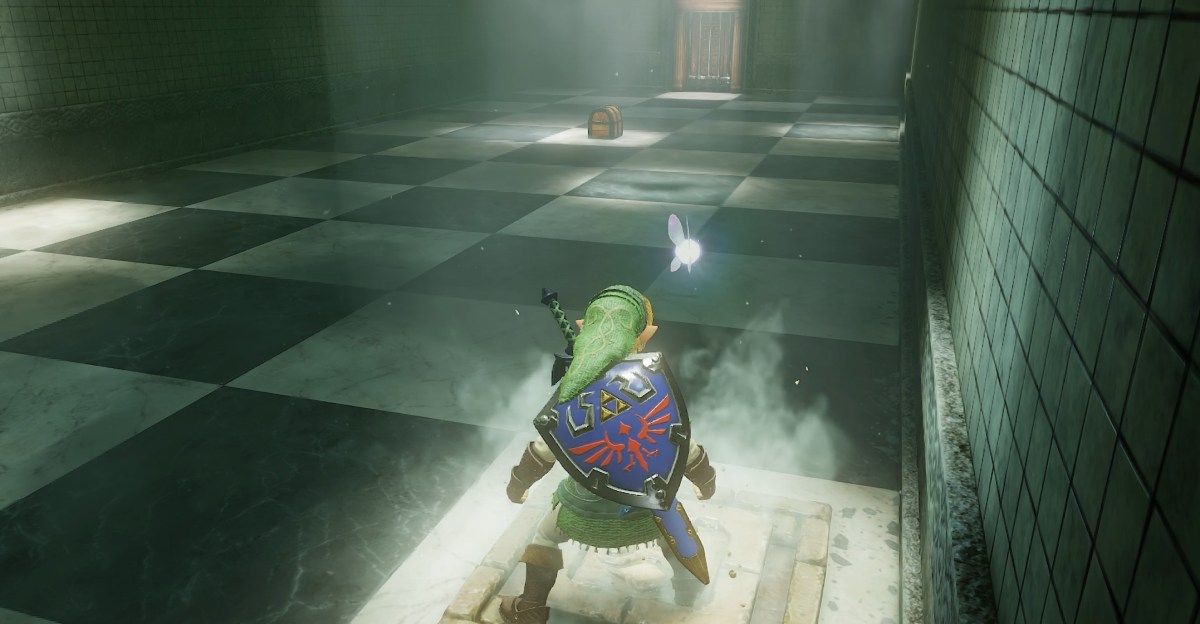
Image: newsy-today.com
The ESRB page is live, and that is the clearest new signal yet
The Entertainment Software Rating Board has published a rating summary for The Legend of Zelda: Ocarina of Time on Nintendo Switch 2, assigning the game an E10+ rating with the content descriptors Animated Blood and Fantasy Violence. Nintendo Life, My Nintendo News, GoNintendo, TwistedVoxel, and Newsy Today all point to the same ESRB listing, which is now public rather than limited to a store-page rating badge or a passing classification detail.
That is the concrete development driving the latest round of Zelda Ocarina of Time Switch 2 speculation. A rating does not launch a game by itself, but a full ESRB summary usually appears when a release is far enough along for classification materials to have been submitted and processed. For fans waiting on a Zelda Switch 2 release window to firm up, this is a stronger signal than a rumor because it comes from a public ratings-board listing.
The tension is that the rating tells us a great deal about what the board reviewed and very little about Nintendo’s remaining business details. The ESRB page describes content, perspective, combat, enemy types, and age guidance. It does not answer every practical question players care about, including final pricing, upgrade paths, physical availability, or whether every feature discussed in recent coverage applies across all regions.
What the Ocarina of Time ESRB rating actually says
According to the ESRB summary quoted by Nintendo Life, My Nintendo News, GoNintendo, and TwistedVoxel, The Legend of Zelda: Ocarina of Time is described as an adventure game in which players take the role of a hero trying to defeat evil and save Hyrule. The board says the game is played from a third-person perspective, with players exploring Hyrule, interacting with characters, solving puzzles, and fighting fantastical enemies.
The combat description is familiar to anyone who remembers the original Nintendo 64 structure: swords, shields, arrows, and magic spells. The ESRB also names enemy examples, including bat-like, spider-like, chicken-like enemies, and guards. Battles are described as featuring impact sounds, colorful light effects, and cries of pain, while some defeated enemies may emit green or purple blood. Larger bosses are said to require more extended fights.
That language gives the Ocarina of Time rating a practical edge. It suggests the remake still preserves the adventure’s basic rhythm: field traversal, dungeon problem-solving, locked-room skirmishes, and boss encounters with longer combat patterns. From an action-adventure standpoint, the rating reads like a game still built around readable weapon timing and enemy tells rather than a wholesale reinvention of the combat loop.
Why fans are reading the rating as a release clock
The ESRB listing is landing alongside other signs that the Nintendo Switch 2 Zelda release is moving from distant promise to active rollout. Nintendo Life notes that the E10+ rating had previously been spotted on Nintendo’s official store page in July, and the new development is the publication of the full ESRB rating summary. GoNintendo framed the rating as Nintendo taking “baby steps” toward release, while My Nintendo News reported that Nintendo is ramping up marketing with a 31-second commercial titled The Battle for Hyrule Begins.
NintendoEverything also reports that recent footage and an overview trailer have shown new remake details, including a Hall of Fallen Foes, Navi-related “fairy thoughts,” five bottles instead of the original four, Zelda amiibo support, and confirmation of 60 frames per second. Those are not details a publisher usually surfaces for a project that is still purely conceptual. They are marketing-stage and preview-stage details.
That is why the new Ocarina of Time ESRB rating is being treated as another piece clicking into place. Classification, store-page changes, commercials, trailers, and feature demonstrations all point in the same direction: the game appears to be deep into its pre-release campaign. The caveat is important, though. The ESRB does not set Nintendo’s launch calendar, and a rating summary should not be mistaken for a release-date announcement.
The E10+ rating differs in one notable way from the 3DS version
Nintendo Life and GoNintendo both compare the Switch 2 rating to The Legend of Zelda: Ocarina of Time 3D on Nintendo 3DS. The 2011 3DS release also received an E10+ rating, but Nintendo Life notes that the older ESRB listing included Suggestive Themes in addition to Animated Blood and Fantasy Violence.
Nintendo Life quotes the 3DS-era ESRB summary as referencing female characters depicted from low camera angles and dressed in outfits showing moderate cleavage. The newly published Switch 2 summary, at least in the text quoted by multiple outlets, lists Animated Blood and Fantasy Violence but does not include Suggestive Themes.
That omission has already become part of the conversation because Ocarina of Time has always carried an unusual tonal range. It can be pastoral and bright in one stretch, then grim in areas like Kakariko’s well or the Shadow Temple. The ESRB’s mention of green and purple blood suggests some stylized violent effects remain, but the current summary does not provide a scene-by-scene account of what has changed visually. Readers should treat the missing descriptor as a ratings-board difference, not as proof by itself that any specific character, camera angle, dungeon image, or enemy design has been altered.
The remake details point to preservation with selective changes
NintendoEverything’s feature on Ocarina of Time remake details describes a project that appears to be modernizing around the edges while keeping the recognizable shape of Link’s journey intact. The reported “fairy thoughts” system expands Navi’s role in environmental guidance, with certain places triggering new hints or secrets. The outlet also notes visual changes to Navi herself, including a fuzzier ball of light and more complex wing patterns compared with the Nintendo 64 design.
The reported fifth bottle is a small but meaningful design change. Bottles in Ocarina of Time affect preparation, recovery, and how much risk players can take before entering dungeons or boss fights. NintendoEverything says the new bottle comes from the potion shop after the shopkeeper asks the player to catch a bug running around the store. That sounds like a modest addition rather than a structural rewrite, but in a game built around inventory pressure and dungeon endurance, an extra bottle can shift the player’s margin for error.
NintendoEverything also reports that all past Zelda amiibo work with the game, dropping items such as heart refills, ammo, and magic jars, and that two new Ocarina of Time amiibo figures are releasing in 2027 to unlock Nintendo 64-themed masks. If that implementation carries through as described, the remake may give returning players optional resource assistance without necessarily changing the core dungeon layouts. For players worried about the original’s pacing, the reported 60 frames per second target is the larger action feel change, since lock-on combat, projectile timing, and camera motion all benefit from cleaner response.
What Nintendo still has not settled in the record provided here
Several secondary reports in the source material refer to a November 5, 2026 launch. TwistedVoxel states that the remake is scheduled for Nintendo Switch 2 on that date, and My Nintendo News includes related trailer copy saying the game is launching Nov. 5. Nintendo Life also asks readers whether they will revisit the adventure when it returns “early next month.” GoNintendo, however, uses the broader phrasing “sometime later this year.” The ESRB summary itself, as quoted across outlets, does not include a release date.
For readers tracking the Zelda Switch 2 release, that distinction matters. The public ESRB listing confirms the age rating and content descriptors. It supports the idea that the game is close enough for formal classification. It does not, by itself, confirm final launch timing, regional rollout, file size, price, preorder terms, or whether Nintendo will offer any upgrade route for players who already access the original through Nintendo Switch Online + Expansion Pack.
GoNintendo notes that the original Nintendo 64 version of Ocarina of Time can already be played on Switch or Switch 2 through Nintendo Switch Online + Expansion Pack, while the 3DS version remains available to those with access to that hardware. That gives players a practical choice. If you want the historical version, it is already playable through Nintendo’s subscription library. If you want the Switch 2 remake’s reported visual overhaul, 60 fps presentation, new features, and modern marketing-stage additions, the ESRB page is another sign to wait for Nintendo’s final purchase details before deciding where to spend.