
The reported Zelda Ocarina of Time remake changes go well beyond visual cleanup, with 60 fps, manual jumping, new guidance tools, altered dungeons, and preservation questions for longtime players.
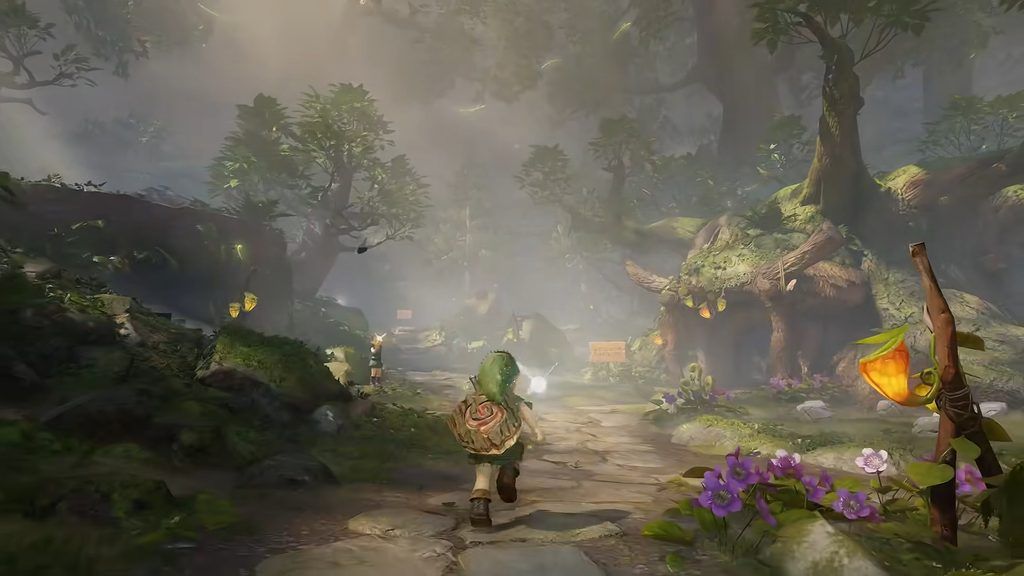
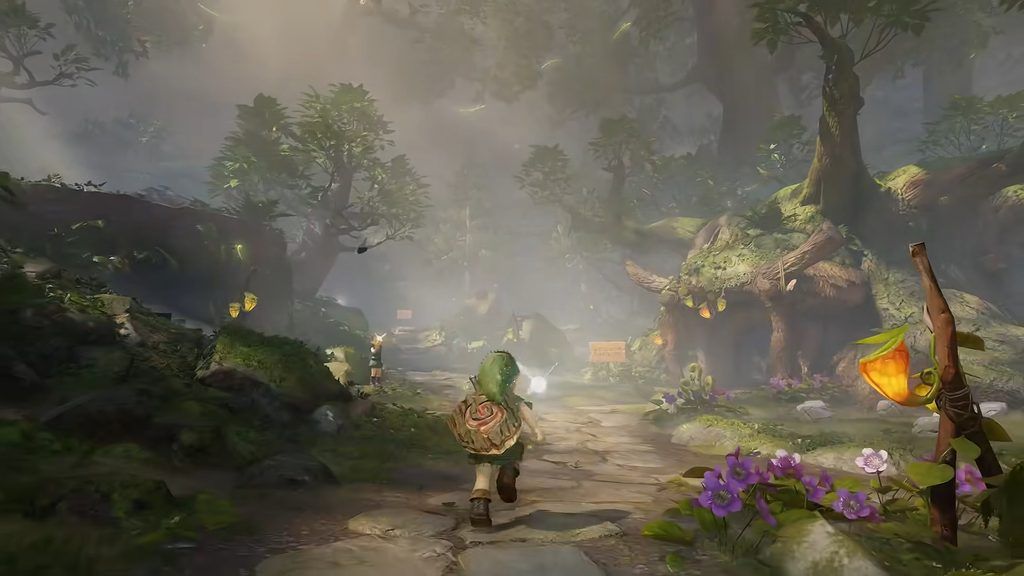
Image: zeldacentral.com
A familiar Hyrule is being rebuilt with unfamiliar rules
The strongest confirmed development around the Zelda Ocarina of Time remake is also the one longtime players should watch most closely: this is not being presented as a frame-for-frame rebuild of the Nintendo 64 game. Nintendo Everything reports that the Switch 2 remake runs at 60 frames per second, has fully redone graphics down to material textures, uses faster load times, adds refreshed sounds and symphonic orchestral music, and changes how Link moves, fights, jumps, aims, and reads the world around him.
That immediately creates the central tension of this remake. Ocarina of Time is one of Nintendo’s most replayed and reissued games, already available to different generations through the N64, GameCube, 3DS, and Nintendo Switch Online routes referenced by Nintendo Life. The Switch 2 version, due November 5 according to Nintendo Life, IGN, and Kotaku, is being positioned through previews and reported feature lists as a broader modernization. For players who know the original by muscle memory, the question is no longer whether Hyrule looks cleaner. It is whether the remake preserves the pacing, friction, dread, and discovery that made the 1998 adventure feel dangerous in the first place.
The reported Ocarina of Time remake changes point in both directions. Some are clear quality of life upgrades, such as faster loading, gyro aiming, a free camera in Castle Town, and a starting wallet that holds 200 rupees instead of the N64 game’s 99. Others reach deeper into the game’s design language, including a manual jump, real-time Din’s Fire, different Skulltula attack patterns, changed Forest Temple puzzles, and time passing in more places, including Hyrule Castle Town. Those are the kinds of changes that can make an old adventure feel newly playable, but they can also alter the cadence of rooms, routes, and combat encounters that fans have internalized for decades.
The quality of life push changes how Ocarina breathes
The remake’s most approachable upgrades are the practical ones. Nintendo Everything lists snappier actions, faster load times, 60 fps performance, gyro aiming, a roll-into-dash option by holding A, and the ability to see cracked ground that signals bombable hidden rooms. The Verge, after roughly 90 minutes of hands-on time, also reported that item and weapon swapping no longer requires repeated trips into the pause menu in the way the original did. According to The Verge, holding a shoulder button brings up a near-real-time selection interface navigated with the analog stick.
For an action-adventure game built around lock-on combat, item gating, and environmental reads, those adjustments matter because they affect rhythm. Ocarina of Time’s original pace was partly technical and partly theatrical. Doors loaded. Item swaps stopped the flow. The camera often asked the player to trust Nintendo’s staging or wrestle it back behind Link. A smoother interface can make Deku Sticks, Slingshot shots, bombs, arrows, and ocarina use feel less like menu work and more like live performance.
That is an obvious gain for new players coming from later Zelda games, particularly those who expect modern camera control and faster input response. It is also a preservation pressure point. Ocarina’s old pauses gave its dungeons a stop-start ritual: read the room, equip the tool, commit, listen for the chime, move on. If the remake lets players flow through those same beats at Switch 2 speed, it may improve the experience while softening some of the original’s deliberate stiffness.
IGN’s hands-on reporting supports the idea that Nintendo has been willing to adjust the game around modern controls. IGN said altered puzzles more closely fit the new control scheme, while new shortcuts and context clues make navigation more intuitive. That does not mean every old ambiguity is gone, and IGN stressed that its list was based on preview access rather than an exhaustive comparison. Still, the direction is clear: this Zelda remake improvement effort is concerned with reducing friction, not merely polishing pixels.
Manual jumping is the change that could reshape movement most
The dedicated jump button may sound like a small concession to modern expectations, but for Ocarina of Time it is a major change in authorship. The N64 original handled most ledge jumps automatically, tying Link’s leap to run-up angle, edge detection, and environmental layout. Kotaku highlighted the remake’s manual jumping as one of the most visible changes, while Nintendo Everything lists manual jump among the core differences from the original.
That single input can affect dungeon pacing, field traversal, and combat positioning. Ocarina’s original spaces were composed around the certainty that Link would jump only under specific conditions. A manual jump gives players a more expressive body. It can make Kokiri Forest feel looser, make platforming less fussy, and give combat dodges or spacing a different texture, depending on how broadly the mechanic is allowed to apply.
The interesting preservation question is whether Nintendo uses that freedom to serve the old geometry or rewrites the geometry around the new move set. IGN reported changes in Kokiri Forest, Inside the Great Deku Tree, Hyrule Field, Castle Town, and the Forest Temple during its preview coverage, and said this remake is far from a one-to-one recreation. Nintendo Everything also reports that the Forest Temple has changed puzzles and some changes to the temple itself. Those details suggest the team is not simply dropping a jump button into untouched N64 rooms.
Kotaku also pointed to swimming changes based on trailers and material it analyzed, describing proper swimming with a speed boost and an underwater stamina bar. Because that detail is attributed to Kotaku’s trailer reading rather than the Nintendo Everything feature list provided here, it should be treated as reported observation rather than a fully documented system breakdown. Even so, it fits the broader pattern: movement in the remake appears to be less automated, more player-directed, and potentially more open to reinterpretation.
Dungeon changes could strengthen the set pieces or disturb the old logic
Ocarina of Time’s dungeons are remembered as much for their tempo as their layouts. The Great Deku Tree teaches vertical thinking. Dodongo’s Cavern turns bombs into architecture. The Forest Temple slows the game into an adult nightmare of twisting halls, spectral paintings, and uneasy silence. Reported changes to puzzles and enemy behavior therefore carry more weight than a texture overhaul.
Nintendo Everything says Skulltulas have different attack patterns, the Forest Temple includes changed puzzles and temple alterations, and Din’s Fire now plays out in real time rather than freezing the world when used. IGN, after playing more than an hour, reported redesigned puzzles, updated miniboss fights, and deeper dialogue in its headline and preview framing, with the caveat that its published list was not exhaustive. Those are meaningful interventions into the game’s combat rhythm. A real-time Din’s Fire changes risk and timing. Altered Skulltula behavior changes how early players learn shield discipline. Updated miniboss encounters can add surprise for players who remember every dodge window.
The danger is that Ocarina’s old puzzle logic is unusually readable because it was built for the limitations of 1998 3D design. Switches, torches, webs, blocks, and eye targets were staged with a blunt clarity that became part of the game’s language. More physical mechanisms can make Hyrule feel coherent, but they can also overexplain a world that once thrived on theatrical abstraction. Kotaku noted, from trailer analysis and presentation details, that some mechanisms appear adjusted so their cause and effect read more naturally, citing an example involving a crumbling log bridge rather than a floating platform.
For returning players, the best version of this approach would create tension without turning old rooms into busy dioramas. The Forest Temple is the key test. The Verge singled it out from hands-on time as a showcase for the remake’s more realistic art style, describing red stained glass that casts Link in blood-colored light and makes the dungeon’s horror themes land with new force. That kind of visual staging can deepen a set piece if it supports the old mood. If it overwhelms the restraint that made the original uncanny, longtime players will notice immediately.
The new guidance systems may be helpful, but they change the mystery economy
Nintendo Everything reports several new systems aimed at orientation and context. Threads of Time lets players see story progress and the next objective from the pause screen. A Tapestry updates over the course of the game. Zelda Notes support is included, and The Verge describes that integration as part of the Nintendo Switch app, letting players view maps and other information on a phone. Nintendo Everything also lists a Hall of Fallen Foes for boss rematches and enemy details, along with a new fairy thoughts feature.
These systems address one of the biggest divides between Ocarina’s legacy and modern play habits. The original adventure could be cryptic, especially for players who drifted away for a week and returned with no memory of which Goron, Kokiri, or castle guard mattered. A story tracker can reduce the need for external guides. Phone-based maps can make the remake friendlier to players who grew up with companion apps, wikis, and quest logs.
Yet Ocarina’s sense of scale came partly from incomplete information. Hyrule Field felt bigger when you were unsure whether you were underprepared, lost, or simply early. Navi’s prompts, gossip stones, song clues, and NPC hints formed a loose web rather than a modern objective rail. If Threads of Time keeps players oriented without solving the route, it could be one of the remake’s most useful Zelda remake improvements. If it turns discovery into checklist maintenance, it risks making Hyrule feel smaller than its rebuilt landscapes suggest.
There is also a practical upside for preservation. Optional guidance can help Nintendo keep more of the original’s structure intact while still lowering frustration for players encountering it for the first time on Nintendo Switch 2. The crucial unknown, based on the provided reporting, is how configurable these aids are. None of the source material here confirms whether players can disable Threads of Time, limit Zelda Notes, or tune fairy thoughts. That matters for veterans who want modern performance without a guided tour.
The visual overhaul has to preserve fear as well as beauty
Every source points to a substantial presentation upgrade. Nintendo Everything reports fully redone graphics down to the textures of each material, refreshed sounds, and symphonic orchestral music. The Verge called the remake modern-feeling and highlighted how the Forest Temple’s horror reads more strongly with the new art style. Engadget’s provided preview excerpt notes smaller presentational and world-behavior changes such as Link physically pushing on things to open doors, full day-night cycles, and tweaks to the game’s map and landscape.
The visual challenge for Ocarina is unusual. Its N64 look was limited, but those limits produced a powerful stage language. Castle Town was bustling partly because the fixed camera and pre-rendered feel implied more life than the player could inspect. Future Hyrule was terrifying partly because fog, sound, and sparse geometry let the imagination fill the gaps. The ReDead scream, which Nintendo Life’s staff discussion singled out as a formative memory for one writer, did not need high fidelity to become unforgettable.
A free camera changes that bargain. Nintendo Everything reports free camera control in Hyrule Castle Town, and Kotaku also identified free camera movement in areas that once relied on fixed viewpoints. Once players can look into corners the N64 version hid, the remake must actually build those corners. That can make towns feel richer, but it can also expose how much of the original’s drama came from composition rather than density.
The same applies to music. Symphonic orchestral arrangements can give Kokiri Forest and Hyrule Field a cinematic sweep, but Ocarina’s melodies were originally tied to simple motifs, memory, and repetition. The ocarina itself is a story object, a puzzle key, and a controller ritual. Nintendo Everything reports that players can now hum tunes or play real-life instruments for the ocarina and Link will play it, a feature that sounds playful and thematically sharp. The preservation question is whether those new inputs sit alongside the classic song performance structure or replace too much of its tactile identity.
For longtime players, the smart move is to watch the options, not the nostalgia
The confirmed practical picture is narrow but important. The remake is reported for Nintendo Switch 2, with a November 5 release date cited by Nintendo Life, IGN, and Kotaku. The provided source material does not confirm a price, an upgrade path from any previous version, a Switch 1 release, or specific requirements beyond the Switch 2 framing used by the outlets. Readers looking for buying guidance should treat those details as unannounced based on the material available here.
What is already clear is that the Zelda Ocarina of Time remake is being shaped around accessibility, speed, and modern readability. The 60 fps target, faster loads, free camera, manual jump, gyro aiming, near-real-time item handling, bigger starting wallet, five bottle slots reported by Nintendo Everything, and clearer environmental cues all point toward a version that wants to remove old pain points. For new players, that may be the difference between respecting Ocarina of Time historically and actually finishing it.
For veterans, the watch list is different. Pay attention to whether guidance tools can be ignored. Watch how much the Forest Temple and other dungeons are re-authored. Look for whether boss rematches in the Hall of Fallen Foes preserve encounter drama or turn set pieces into isolated challenges. Notice whether real-time spell use and updated enemy patterns make combat sharper without flattening the original’s measured lock-on dance. And when previews discuss visuals, look past resolution and ask whether the remake still understands silence, distance, and dread.
Ocarina of Time has survived because its design was sturdy enough to travel across hardware generations. The Switch 2 remake appears to be testing how far Nintendo can bend that design without breaking the spell. The best outcome would let Kokiri Forest feel newly alive, Castle Town finally breathe under a free camera, and the Forest Temple become frightening in ways the N64 could only imply, while still preserving the strange, storybook rhythm that made players remember every torch, scream, and song.