
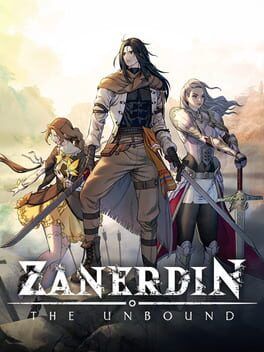

How Sanctuary Games is building a collectible, turn-based RPG that keeps the thrill of gacha pulls while cutting out microtransactions entirely.
Zanerdin: The Unbound is trying to pull off a difficult trick. Sanctuary Games’ debut project looks, reads, and plays like a modern gacha collectible RPG for PS5 and PC, yet the studio is very clear about one thing: there are no in‑game purchases at all. The hooks of character collecting, team‑building, and randomized pulls are still here, but they have been folded back into a traditional, pay‑once RPG structure.
In a market where “gacha” has become almost synonymous with aggressive monetization, that alone makes Zanerdin stand out. It is positioning itself as a kind of experiment, a “gacha without gacha” that asks what remains when you strip the business model away and leave the design skeleton behind.
A collectible RPG with all the pulls baked in
Sanctuary Games describes Zanerdin as a collectible, turn‑based RPG built around a familiar loop: gather a roster of characters, pets, and gear, then refine your party for progressively tougher encounters. Where most gacha titles sell you rolls of a virtual slot machine, Zanerdin puts that entire system inside the box price.
There are no premium currencies to buy, no banners to top up with real cash, and no stamina refills on your credit card. Every pull, upgrade material, and piece of equipment is earned through play. The gacha logic still exists, but it behaves like a traditional loot and reward structure you would expect from a single‑player RPG rather than a free‑to‑play live service.
The promise is that this preserves the excitment of opening something random without the friction that comes from trying to optimize your spending. You are meant to think about which stages to run and which builds to pursue, not whether you should wait for a better banner or buy one more pack.
How roster building works without microtransactions
Under the hood, Zanerdin is still about building an efficient roster. Sanctuary Games is starting with more than 25 playable characters, each tied to one of six elemental “Blessings” that define both their combat role and how they interact with the world. Characters also occupy specific battlefield positions, so placement and composition matter as much as raw stats.
Instead of hunting for a specific five‑star drop in a shop, you deepen your roster by pushing through actual content. The campaign is built around 60 distinct battle stages, each a designed encounter that can feed you new units, pets, or materials for the game’s internal gacha systems. Raid‑style modes, including standard Boss Raids, tougher Abyss Boss Raids, and a hidden late‑game Raid, act as both challenge content and high‑yield sources of pulls.
Because progression is decoupled from your wallet, the tension shifts from “can I afford more chances” to “can my current squad crack this fight.” If you hit a wall, the solution is to change your team, refine your strategy, or revisit earlier stages for resources rather than to spend more money.
Theme and Synergy driven team building
Zanerdin’s combat is fully turn‑based, closer to a tactical RPG than an action gacha. You field a small squad in each encounter, but the real depth comes from the way the game layers party bonuses through its Theme and Synergy systems.
Theme acts as a kind of deck‑building guideline. Certain characters, elements, or roles naturally align into themed squads that grant bonuses when fielded together. Synergy then builds on top of that by rewarding specific combinations and interactions between characters. A defensive tank might unlock new effects when paired with a particular support, or a trio of specific Blessings might unlock a powerful cross‑element combo.
Without the pressure to chase every new banner, these systems are meant to encourage experimentation. You can invest in oddball compositions, test less obvious characters, or lean into off‑meta builds purely because they are interesting, not because you are trying to justify an expensive pull. It pushes Zanerdin toward feeling like a strategy RPG first and a collection game second.
Campaign structure, raids, and endgame
The core of Zanerdin: The Unbound is its single‑player campaign set in the world of Kalatos. This is a setting where six elemental Blessings shape entire societies: Water, Fire, Earth, Metal, Wind, and Electric. Most people are born aligned with one of these forces, but those from the fringe region of Chaos have none at all.
The protagonist, Zanerdin, is a Chaos‑born outsider who travels into the Blessed lands in search of the truth about his family. The story unfolds across 60 hand‑crafted battle stages, intercut with hand‑drawn narrative sequences that contextualize each fight. Sanctuary Games talks about escalating threats to the balance of Kalatos, but all of it is filtered through the personal lens of a character who has grown up on the margins of that system.
As you clear campaign stages, you open up more demanding content. Boss Raids and Abyss Boss Raids offer high‑risk, high‑reward fights tailored to test both your roster depth and your understanding of Theme and Synergy bonuses. Somewhere behind them sits a hidden Raid that Sanctuary Games is positioning as a kind of capstone for dedicated players.
For those looking for repeatable challenges, there is also a 5v5 tournament mode that pits your team against AI‑controlled squads. Winning consistently here can unlock a Hardcore battle stage that functions as post‑game content, a space to push your favorite builds against unforgiving encounters.
A different answer to the gacha debate
Zanerdin arrives at a time when gacha monetization is under heavier scrutiny than ever. Popular RPGs on mobile, PC, and even console often rely on low base expectations and high‑spend outliers, with randomized pulls and layered currencies encouraging players to chase limited units or best‑in‑slot gear. Even when the underlying game design is strong, it can be overshadowed by questions about fairness, spending pressure, and long‑term sustainability.
By putting every character, pet, and piece of gear inside a single purchase, Sanctuary Games is staking out a very different position. Zanerdin still borrows the compulsion loop of gacha, but removes the revenue model that usually drives it. In design terms, that makes it a useful counterexample. It tests whether the appeal of gacha is genuinely about the pleasure of collection and surprise, or whether that appeal is inextricably tied to the economics of scarcity and spending.
It also brings back some older RPG expectations. When there are no seasonal banners and no time‑limited characters to miss, value shifts toward encounter design, build variety, and how satisfying it is to wring new strategies out of a stable cast. Future DLC is planned, with additional story content and characters, but this is framed as traditional expansion material rather than a new layer of monetization.
Where Zanerdin fits in the modern RPG landscape
On PS5 in particular, Zanerdin occupies an unusual niche. Console gacha style experiences have generally arrived either as ports of mobile hits or as free‑to‑play console‑first hybrids that bring their economy with them. A single‑player, collectible RPG that feels structurally similar to those games but behaves like a mid‑priced tactics RPG is rare.
On PC, it slides into a different but still interesting slot alongside strategy RPGs and digital card games that flirt with randomness and collection without dipping into lootbox monetization. Zanerdin’s focus on deliberately authored stages and a finite roster of characters makes it easier to treat as a complete package rather than a live service timeline you are expected to keep up with.
Whether Sanctuary Games’ “gacha without gacha” experiment catches on will depend on how well it balances generosity, challenge, and the thrill of a good pull. If the internal gacha systems feel stingy or overly grindy, the lack of microtransactions will not be enough to carry it. If, on the other hand, the game can deliver a satisfying arc of collection and team refinement inside a finite, story‑driven structure, it could become a reference point for how collectible RPGs can evolve beyond their free‑to‑play roots.
For now, Zanerdin: The Unbound is confirmed for PlayStation 5 and PC via Steam, with pricing and release timing still to come. What is already clear is its pitch: a collectible, turn‑based RPG that lets you experience the full gacha fantasy without ever opening your wallet after the initial buy‑in.