
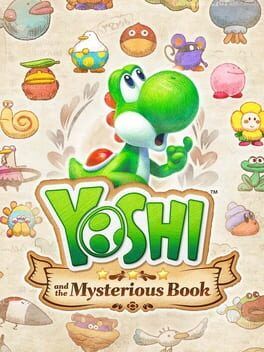

We go hands-on with the new in-store demo of Yoshi and the Mysterious Book for Switch 2, digging into its puzzle-first platforming, kid-friendly design, and long-term potential as Nintendo’s next family evergreen.
Nintendo is bringing back a classic tradition for its next Yoshi adventure. Ahead of launch on Switch 2, Yoshi and the Mysterious Book is now playable at select in-store kiosks across North America, letting families, curious platformer fans, and lapsed Yoshi enjoyers get an early feel for the game.
After spending time with the same slice that is now rolling out at Best Buy, GameStop, Target and Walmart stores, it is clear that Nintendo is positioning this as a cornerstone title for younger Switch 2 players. The demo suggests a gentle, exploration-driven platformer that puts player comfort and curiosity first without completely abandoning the mechanical depth that older fans expect.
What the in-store demo actually offers
The kiosk demo drops you straight into an early chapter of the mysterious talking book that gives the game its name. Mr. E, the book’s chatty narrator, guides you through a compact level that shows off the core loop: roam through painterly diorama stages, observe odd little creatures, experiment with Yoshi’s abilities, and then watch your discoveries fill in the book’s pages.
For an in-store demo, it is a smart slice. It is short enough that a child can finish it in one sitting while a parent waits nearby, but varied enough to highlight the game’s tone and ideas. There are simple puzzles that rely on watching creature behavior, a couple of light platforming gauntlets, and one of the game’s more striking creature-based abilities to cap things off.
This structure feels designed for the shop-floor environment. A first-time player can pick up the Joy-Con, follow the large, clear prompts, and feel like they have meaningfully “done” something in five to ten minutes. At the same time, observant players can poke at side paths, discover extra interactions, and see that there is more hiding under the surface than the pastel art might initially suggest.
First impressions of the platforming and creature systems
If you are coming off the high of Super Mario Bros. Wonder or classic Yoshi platformers, the immediate surprise is how relaxed Yoshi and the Mysterious Book feels. The controls remain familiar, with a jump, flutter, tongue grab, and egg throw mapped to the face buttons, but the level design uses them differently.
Instead of constant enemies and precision jumps, the demo builds scenes around small systemic puzzles. One creature might bounce when startled, turning into a living springboard. Another leaves behind a trail of bubbles that briefly harden into platforms. Yoshi’s job is to prod these little ecosystems, see how they react, and then chain the reactions together to reach collectibles or optional routes.
The platforming feels responsive, with a steady frame rate and generous windows for inputs, which matters when you are trying to flutter between temporary bubble platforms or time a leap off a moving critter. What stands out most is how these creature mechanics layer on top of each other. The demo rarely asks for perfect execution, but it rewards players who experiment.
Crucially, the game is not trying to be punishing. Yoshi cannot die here, and he seemingly cannot take traditional damage. Miss a jump and you are gently placed back on safe ground. Get pelted by projectiles and you lose a moment, not a life. For some seasoned platformer fans, that will immediately register as a deal-breaker. For Nintendo, it is a deliberate choice to invite in children who might otherwise bounce off more demanding games.
Within that safety net, though, there is still room for challenge. Optional objectives, hidden secrets, and efficient routes can ask more of the player without ever threatening a game over screen. The demo hints at this balance by tucking tricky-to-reach collectibles behind more involved uses of each creature’s abilities, which older players will likely chase even as younger kids happily move forward.
Designed from the ground up for younger Switch 2 audiences
Everything about the in-store demo feels tuned for first-time or early-years players who are picking up a controller on Switch 2. The controls are dense on paper, with the four face buttons assigned to Yoshi’s actions and the L button advancing dialogue, but the game compensates with clear visual icons and large on-screen reminders. If a child puts the controller down for a few minutes, they can come back, press a button, and immediately see what they can do next.
Mr. E serves as a constant, friendly guide, gently nudging you toward points of interest. Stand near a puzzle element for a moment and a little hint pops up, often phrased more like an encouraging observation than a strict instruction. This tone is key. It makes the game feel like it is talking with a young player rather than talking down to them.
The absence of failure states fits neatly into that philosophy. Kids can poke at the world, try silly solutions, and learn by doing without the frustration of repeated restarts. Parents watching along can step in when a puzzle stumps their child without having to wrestle the controller away after a string of lost lives. It is easy to imagine this kiosk demo becoming a low-pressure first “real game” experience for some kids while their family shops.
Visually, the storybook framing reinforces the target audience. Yoshi and the various creatures are rendered with a blend of painterly textures and slightly reduced animation frames that evoke stop-motion or paper cutout animation. It is expressive and readable from a distance, which matters on crowded retail floors where kids will often be playing several feet from the screen.
Can it become Nintendo’s next evergreen family platformer?
The big question hanging over Yoshi and the Mysterious Book is not whether it will be charming. On that front, the demo is already convincing. The question is whether this game can claim a long-term spot in the Switch 2 library alongside staples like Mario Kart, Animal Crossing, and the most recent 2D Mario as a go-to family recommendation.
There are a few encouraging signs. First is the structure. A puzzle-first platformer that never punishes failure is a strong fit for siblings sharing a system, parents playing with younger kids, or grandparents who want to join in without worrying about twitch reflexes. It fills a slightly different niche from Mario Wonder or Donkey Kong Country, leaning harder into exploration and light problem-solving.
Second is replayability. The systemic creature abilities on display in the demo hint at levels that can be approached in multiple ways. If the full game builds on this with layered secrets, optional objectives, and perhaps time or score challenges for more advanced players, it could sustain interest well beyond a single playthrough, especially in households where children like to revisit favorite levels.
Third is the presentation. Nintendo has a strong track record of keeping visually distinct, approachable titles in circulation for years as hardware showpieces and evergreen bundles. Yoshi and the Mysterious Book has that kind of look. Even if it is not the flashiest Switch 2 game, its art direction and gentle tone make it an easy recommendation for parents walking into a store and asking for something “safe, cute, and fun” for a young child.
There are, however, challenges. The lack of difficulty options may limit its appeal with older solo players who want their platformers to test their skills. Previous Yoshi entries have sometimes struggled to hold the broader audience’s attention after the initial novelty of their craft-themed aesthetics wore off. For this game to truly become evergreen, it will need to sustain that early demo promise of inventive level design and clever creature interactions all the way through the campaign.
Still, based on this early hands-on and the way Nintendo is spotlighting the game with in-store kiosks, it is clear the company sees Yoshi and the Mysterious Book as more than just another spinoff. This feels like an intentional attempt to give Switch 2 a signature family platformer that is welcoming enough for a four-year-old but deep enough that the rest of the household will not mind taking a turn.
Early verdict
The in-store demo for Yoshi and the Mysterious Book is a confident introduction. It is short, friendly, and immediately communicates what kind of game this is: a calm, curiosity-driven platformer that trades difficulty spikes for playful experimentation.
For younger audiences and families picking up a Switch 2, this looks poised to be a strong recommendation, especially for kids who might find Mario’s pace intimidating. For older players, the appeal will likely come down to how much the full game can stretch its creature systems and whether it can quietly layer in challenges without compromising its approachable core.
Right now, though, Yoshi’s latest feels like a smart addition to Nintendo’s early Switch 2 lineup and a genuine contender for that coveted spot as the console’s go-to family platformer. If the rest of the book lives up to the promise of this first chapter, Yoshi and the Mysterious Book may end up being a story families keep returning to for years.