
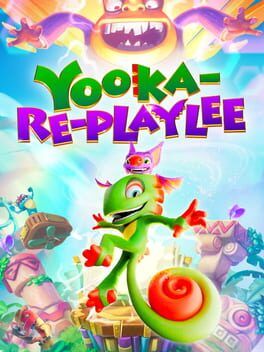

Hands-on impressions with the Nintendo Switch 2 demo of Yooka-Replaylee, covering visual and performance upgrades, control and camera refinements, new content and QoL, and how its Banjo-style collectathon design holds up in 2025.
Yooka-Laylee has always felt like a time capsule, a spiritual successor that cleaved so closely to Banjo-Kazooie it inherited both the charm and the clunk. With Yooka-Replaylee, Playtonic is taking another swing at its debut, and the Nintendo Switch 2 demo feels like a mission statement: keep the heart, sand down the rough edges.
After a few hours with the Switch 2 demo, it is clear this is more than a basic resolution bump. The remaster meaningfully tightens visual clarity, controls and camera behavior while layering in new challenges and quality-of-life tweaks that respond directly to long-standing criticisms of the original.
Visual and performance upgrades on Switch 2
Booting up the demo, the difference is immediate. On Switch 2, Yooka-Replaylee looks closer to what many players probably imagined back in 2017. Environments are sharper, character models are cleaner and the overall presentation finally matches the nostalgic Rare-inspired tone.
Textures have been reworked with better detail on foliage, stonework and signage, which matters a lot in a collectathon where you spend hours scanning every corner of a world. Surfaces that used to look muddy at mid-range are now crisp enough that you can read the environment more quickly. This helps with judging jumps and spotting collectibles in the distance.
Lighting and color grading are subtly improved. The original’s vibrant palette sometimes veered into oversaturation that made important objects blend into the background. The demo dials that back enough that feathers, quills and platforms pop more clearly without losing the candy-colored aesthetic. Reflections and specular highlights on metallic and watery surfaces look more modern, and particles like sparkles and dust motes are better defined.
Performance is where the Switch 2 hardware flexes. The original Yooka-Laylee could feel inconsistent, especially in larger hubs. The demo on Switch 2 targets a smooth high frame rate and, in normal play, it largely holds it. Camera spins, rapid gliding and busy areas with multiple enemies stay responsive, which makes tight platforming chains feel more dependable. There were brief dips when stacking multiple effects and enemy spawns, but nothing close to the chugging that occasionally plagued the first release.
Taken together, the visual and performance upgrades do not reinvent the art style, but they finally present Yooka and Laylee with the clarity and stability their Banjo-style roots always deserved.
Control refinements that make movement more trustworthy
Player movement was one of the most divisive aspects of the original. The toolkit was there, but imprecise physics and slippery momentum meant that some players never felt fully comfortable with basic jumps and rolls. Yooka-Replaylee’s demo makes clear adjustments.
The first thing you notice is the stick response. Yooka’s base run transitions more cleanly from a walk to a sprint, and diagonal inputs feel less twitchy. Subtle analog adjustments finally feel viable for edging along narrow platforms or lining up tricky leaps. The roll move, which was both iconic and frustrating before, now has clearer acceleration and deceleration. You still need to manage momentum, but it is easier to predict exactly when Yooka will stop.
Jump arcs feel slightly tightened, especially on the double jump and glide combo. The glide engages a hair faster, with a more consistent descent speed that makes cross-gap engagements less of a coin toss. This matters in areas that demand long horizontal coverage or require mid-air course corrections.
Combat, while still simple, also benefits from the refined feel. Tail swipes and spin attacks connect more reliably, and the hitboxes on enemies seem fairer. In the original game, collision sometimes felt hazy, leading to cheap hits during close-quarters skirmishes. Here, it is easier to judge spacing, which keeps the focus on platforming rather than wrestling with the engine.
Button remapping and option menus show a clear nod to modern expectations. The demo allows you to flip some key functions and tweak sensitivity, which helps players who struggled with the older layout, and it positions Yooka-Replaylee closer to contemporary 3D platformers rather than a strictly retro throwback.
Camera tweaks that finally get out of the way
If there was one complaint that haunted Yooka-Laylee more than any other, it was the camera. It often got caught on geometry, overcorrected during tight jumps and forced players to fight for a workable view in crowded interiors.
The Switch 2 demo shows that Playtonic took those criticisms seriously. Camera tracking is smoother and more deliberate. When you move through tight corridors or under low ceilings, the view adjusts with less jitter and rarely clips into walls. The camera’s preferred angle in open areas now tends to frame both the path ahead and nearby collectibles, which reduces the number of times you need to manually wrestle the perspective.
Manual control has been loosened, with the right stick offering more granular adjustment at both low and high speeds. Sensitivity can be tuned in the options, and there is less of a sense that the game is trying to tug the camera back to a default angle against your will. When the camera does auto-correct around corners or vertical climbs, it does so more softly, without the harsh snaps that were so disruptive in the original.
The camera is not perfect, especially in cramped spaces or when chaining wall climbs with enemies nearby, but during the demo it crossed the threshold from frequent irritant to something you only notice in occasional rough spots. For a game built on intricate jumping, that is a huge improvement.
New content and QoL changes
Yooka-Replaylee is pitched as the definitive version of the game, and the demo drops hints of additions beyond pure polish.
Within the opening hours, there are extra side challenges tucked into familiar locations and more visible signposting for hidden corners. Optional time trials and mini-challenges seem to be layered into existing worlds, giving returning players new reasons to comb through spaces they remember. Collectible counts and progress indicators are more transparent, helping you know where you still have meaningful tasks to chase instead of blindly sweeping huge areas.
Quality-of-life changes are where returning fans will likely feel the difference most. The demo streamlines some of the early progression hurdles. Tutorializing is quicker and less chatty, with snappier dialogue and the option to skip or fast-forward repeated explanations. Checkpoints feel a bit more generous around tricky obstacle chains, reducing the frustration of repeated long walks back to a challenge.
Menu navigation, too, is more modern. Load times between hubs and worlds are faster on Switch 2, and UI elements for upgrades, moves and collectibles are cleaner. You can more quickly understand what move you are missing for a given obstacle and where to find related NPCs. For a game that encourages revisiting earlier worlds with new abilities, that clarity is crucial.
Accessibility and customization also appear beefed up. Text size options, subtitle toggles and visual clarity aids are more prominent. While the demo only hints at the full suite of options, it feels aimed at letting more players tailor the experience instead of forcing everyone into a fixed retro mold.
How the Banjo-style collectathon holds up in 2025
The underlying design of Yooka-Laylee was always unapologetically Banjo, for better and worse. In 2025, that pitch is more niche but also more clearly understood: you are signing up for sprawling worlds full of trinkets, characterful NPCs and playful, often pun-laden writing.
In the demo, that core formula still works. Open environments invite exploration, and the layered verticality remains satisfying to unravel. Collecting Pagies and quills retains that old-school sense of route optimization and completionist satisfaction. If you grew up on N64-era platformers, this is nostalgia that feels deliberate rather than accidental.
Where the design shows its age is in pacing and density. Even with new signposting, some objectives still require a level of trial and error that modern players might find opaque. The hub and world structure is faithful to Banjo, which means occasional backtracking and an emphasis on collecting for its own sake rather than tightly authored set pieces. That will delight some and weary others.
Compared to contemporary 3D platformers that lean on shorter, more focused levels or story-driven arcs, Yooka-Replaylee is almost defiantly old school. The Switch 2 demo suggests that Playtonic is not trying to overhaul that identity so much as smooth the friction around it. The result is a game that feels retro in its bones but updated enough to coexist with the likes of Mario, Astro Bot and other modern mascots.
Does the remaster address prior criticisms?
Based on the demo, Yooka-Replaylee takes a solid swing at the issues that dogged the original. Visual clarity and performance are significantly better on Switch 2, which alone will make revisiting its worlds more pleasant. Control and camera improvements directly address the feeling that you were fighting the game to enjoy its platforming.
Some structural criticisms inevitably remain, because the remaster is still built atop the same core game. If you bounced off Yooka-Laylee’s expansive worlds and general collectathon philosophy, Yooka-Replaylee is unlikely to completely convert you. The early game is snappier and better guided, but this is still a experience that expects you to revel in hoovering up shiny things in oversized playgrounds.
For fans who liked Yooka-Laylee but wished it felt better in the hands, this remaster looks poised to be the definitive version. The Switch 2 hardware gives it the performance headroom it always wanted, and Playtonic’s refinements show a clear willingness to learn from feedback while preserving the game’s Banjo-style soul.
In short, Yooka-Replaylee on Nintendo Switch 2 does not rewrite history, but it meaningfully reshapes it. The demo suggests a remaster that respects its roots, cleans up its weakest points and offers both new players and returning fans a much smoother jump into one of indie platforming’s most earnest love letters to the N64 era.