
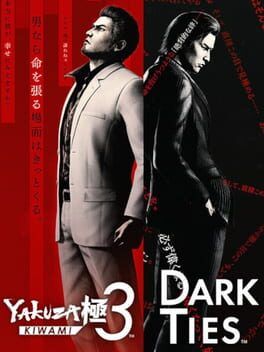
Hands-on with the Yakuza Kiwami 3 & Dark Ties demo, covering Dragon Engine combat, expanded side activities, and how the two-game package plays on modern hardware, especially Switch 2.
A Second Chance For One Of Kiryu’s Roughest Adventures
Yakuza Kiwami 3 & Dark Ties is RGG Studio’s most aggressive bit of revisionism yet. The original Yakuza 3 was beloved for its emotional core, but it also carried the baggage of a 2009 PS3 brawler that stumbled as often as it soared. The new demo, available on all platforms with a spotlight push on Switch 2, is very clearly built to prove two things: Yakuza 3 can stand proudly alongside the Dragon Engine era, and Mine deserves a star turn of his own.
After several hours with the demo on Switch 2 and PC, it’s already clear that RGG isn’t just smoothing a few edges. This is a full structural rethink of how Yakuza 3 plays, looks, and even introduces itself, while Dark Ties is positioned as a companion campaign that leans into more focused, boxer‑style combat.
How Kiwami 3 Feels On Modern Hardware
On Switch 2, the first impression is how ordinary it feels in the best way. In docked mode, Kiwami 3 targets 60 frames per second with only minor dips during crowded street fights, a far cry from the uneven performance that dogged early Dragon Engine console releases. Resolution appears dynamically scaled but sharp enough that Ryukyu’s sun‑baked streets and neon‑washed alleys hold up comfortably on a 4K display.
Handheld, you trade a little sharpness for consistency, but the underlying feel of combat doesn’t change. Inputs are snappy, heat actions fire without delay, and environmental interactions like slamming an enemy’s head into a shutter or swinging a bicycle around the screen carry real weight. Compared to the previous Switch 2 ports of Yakuza Kiwami and Kiwami 2, Kiwami 3 feels closer to a native target for the hardware rather than a downscaled compromise.
On PC, the Dragon Engine predictably scales up with higher resolution shadows and cleaner reflections in puddles and glass frontage, but the core takeaway is that the Switch 2 version finally feels like it belongs in the same conversation. That alone makes this demo an important proof of concept for Like a Dragon on Nintendo’s hybrid hardware.
Dragon Engine Combat, Rebuilt For 3
The demo drops Kiryu into Ryukyu with two primary combat styles ready to go. Dragon of Dojima: Kiwami is the familiar, weighty brawler template seen in recent remakes. It emphasizes parries, counters, and deliberate positioning. The new Ryukyu style, by contrast, is looser and more improvisational, folding weapon play directly into Kiryu’s stance.
Switching between the two mid‑combo is easier here than in earlier Dragon Engine titles. Tap a button and Kiryu slides seamlessly from bare‑knuckle strings into a weapon flourish with a traffic cone or folding chair. Heat actions make heavy use of Ryukyu’s cluttered streets, so you’re constantly scanning the environment for props that can be worked into your next string.
What stands out is how much more responsive crowd control feels compared to the original Yakuza 3. Enemies track more aggressively, but Kiryu has better crowd tools in return: wide swings, rush‑in gap closers, and tag‑team heat moves that leverage nearby NPCs and environmental hazards. Stun‑locks and cheap knockdowns are far rarer, replaced by a more modern insistence that if you get flattened, you probably deserved it.
Morning Glory Orphanage Takes Center Stage
Early demo segments lean hard into the slice‑of‑life tone that fans associate with Yakuza 3. At Morning Glory Orphanage, Kiryu spends almost as much time doing chores as he does throwing hands. That might sound like a pacing killer, but the restructured sequences are tighter and more interactive.
You’re mending clothes on that now‑infamous sewing machine, helping kids with schoolwork, and breaking up petty squabbles that branch into light choice‑driven dialogue. These scenes not only move quicker than they did back in 2009, they also feed directly into side activities and stat growth. Helping a kid through a math problem can unlock a new passive perk, while nailing a chore mini‑game might net items or a small permanent boost.
The tone shift from domestic chores to back‑alley brawls still feels sharp, but the Dragon Engine presentation and added connective tissue between scenes give Kiwami 3 a stronger sense of flow. It’s less about flipping a switch between “Dad Kiryu” and “Dragon of Dojima” and more about watching those roles bleed together.
Side Activities: Old Favorites, Smart Tweaks
Even within the constraints of the demo, Ryukyu feels busy. Iconic distractions return, but they’ve been restructured with the modern Like a Dragon playbook in mind.
The batting cage has a tighter timing window and a clearer scoring breakdown. Karaoke carries over the more readable note lanes and UI refinements fans will recognize from Like a Dragon: Infinite Wealth. Snack bars and hostess clubs have more explicit tutorialization, with short, snappy introductions instead of throwing you into menus cold.
The standout in the demo is the arcade selection. Sega has packed in a surprisingly deep lineup of retro diversions, including Magical Truck Adventure as a new headliner. On Switch 2, these ports benefit directly from the hardware: load times between games are short, latency on inputs is low, and you can pick up and put down high‑score runs in handheld mode with little friction. Rewind and save‑state inspired conveniences make chasing leaderboards far less punishing.
Crucially, the side content is better integrated into Kiryu’s story. Playing a particular arcade game can spark a substory, while success in certain mini‑games feeds back into Kiryu’s money and perk economy. It all works to make Ryukyu less of a theme park and more of a coherent neighborhood.
Enter Dark Ties: Mine Steps Into The Spotlight
The Dark Ties portion of the demo shifts gears sharply. Where Kiwami 3 is wide and leisurely, Dark Ties is lean and focused. You step into the shoes of Yoshitaka Mine, framed here during his ascent through the ranks under Kanda.
Mine’s campaign leans heavily into boxing‑style combat. He moves with shorter strides and tighter guard, trading Kiryu’s wide brawling arcs for crisp jabs, hooks, and evasive slips. Heat actions are more about brutal finishers than slapstick environmental comedy. In practical terms, that makes Mine feel distinct, but still governed by the same Dragon Engine fundamentals.
The level layout in the demo is more linear, funneling you through corridors and small arenas with heavier emphasis on one‑on‑one or small group encounters. This structure makes Dark Ties feel closer to a character‑action spin‑off that happens to share systems with the main game, which might be ideal for players who want to live in Mine’s head without committing to a 40‑hour sprawl.
Narratively, the slice on offer is mostly table‑setting. You see flashes of Mine’s life before the yakuza, hints of the emptiness that pushed him into the underworld, and an early tug‑of‑war between loyalty and ambition. It reads as a companion piece rather than a prequel you must play first, and the demo makes that positioning clear.
Two Games, One Package: Does It Work?
The big structural question around Yakuza Kiwami 3 & Dark Ties is whether bundling a full remake with a separate side campaign will confuse newcomers. Based on the demo, the answer leans positive.
The front end treats them as two distinct entries housed in one launcher. Kiwami 3 is foregrounded as the main course, with Dark Ties clearly labeled as a separate Mine‑focused story you can jump into once you understand where Yakuza 3 sits in the broader saga. For returning fans who already know that story inside and out, the option to sample Dark Ties immediately is a smart nod.
For new players, the package benefits from the groundwork already laid on Switch 2. Yakuza 0: Director’s Cut and the first two Kiwami games are available on the platform, and Kiwami 3’s demo wastes no time re‑establishing Kiryu’s situation for anyone who might be jumping in here. There’s a brief recap of prior events, but it doesn’t drown you in lore.
What matters is that both halves of the package feel deliberate. Kiwami 3 is positioned as the emotional pivot of Kiryu’s saga, while Dark Ties drills into one of the series’ most fascinating antagonists without overstaying its welcome. It’s less an awkward double‑pack and more a Season 3 and bonus limited series wrapped together.
Switch 2: The Most Interesting Version
Given how much of the marketing has centered Switch 2, it’s worth underscoring how well this hardware finally suits Like a Dragon’s rhythms. The Dragon Engine has historically been demanding, and putting it on a hybrid platform was far from a safe bet. After time with the demo, the concern largely evaporates.
Load times are short. Random encounters pop quickly enough that street brawls feel spontaneous but not suffocating. Docked play makes better visual use of the tropical palette around Morning Glory and downtown Ryukyu than you might expect from a portable‑first device. Handheld mode, meanwhile, turns side content into a perfect pick‑up‑and‑play loop: a few substories on the train, a couple of Magical Truck Adventure runs before bed, or a short Dark Ties chapter on a commute.
The main caveat is that Switch 2 still can’t match the visual density or pristine frame pacing of a high‑end PC or current PlayStation and Xbox. But the gap has narrowed enough that it feels like a real choice instead of a handicap. For a series that lives and dies on day‑to‑day immersion, that portability advantage counts for a lot.
Early Verdict Before Launch
Demos can mislead, but Yakuza Kiwami 3 & Dark Ties presents a confident snapshot of where RGG wants this 20th‑anniversary project to sit. The remade Yakuza 3 finally plays like a true Dragon Engine entry rather than a historical curiosity, with revamped combat, better paced orphanage content, and side activities that plug neatly into Kiryu’s routine.
Dark Ties, meanwhile, feels like a focused character study with its own mechanical identity, using Mine’s boxing‑inflected style and narrower level design to carve out a different flavor of brawling without spinning off into a full sequel.
For newcomers on Switch 2, this looks like a viable on‑ramp so long as you’re willing to accept that you are in the middle of Kiryu’s saga, not at the beginning. For long‑time fans, the demo suggests a thoughtful restoration of a divisive favorite paired with a fresh look at one of the series’ standout villains.
If the full game can keep this balance of reverence and reinvention through to the finale, Yakuza Kiwami 3 & Dark Ties could end up as the definitive way to experience one of Like a Dragon’s most important turning points.